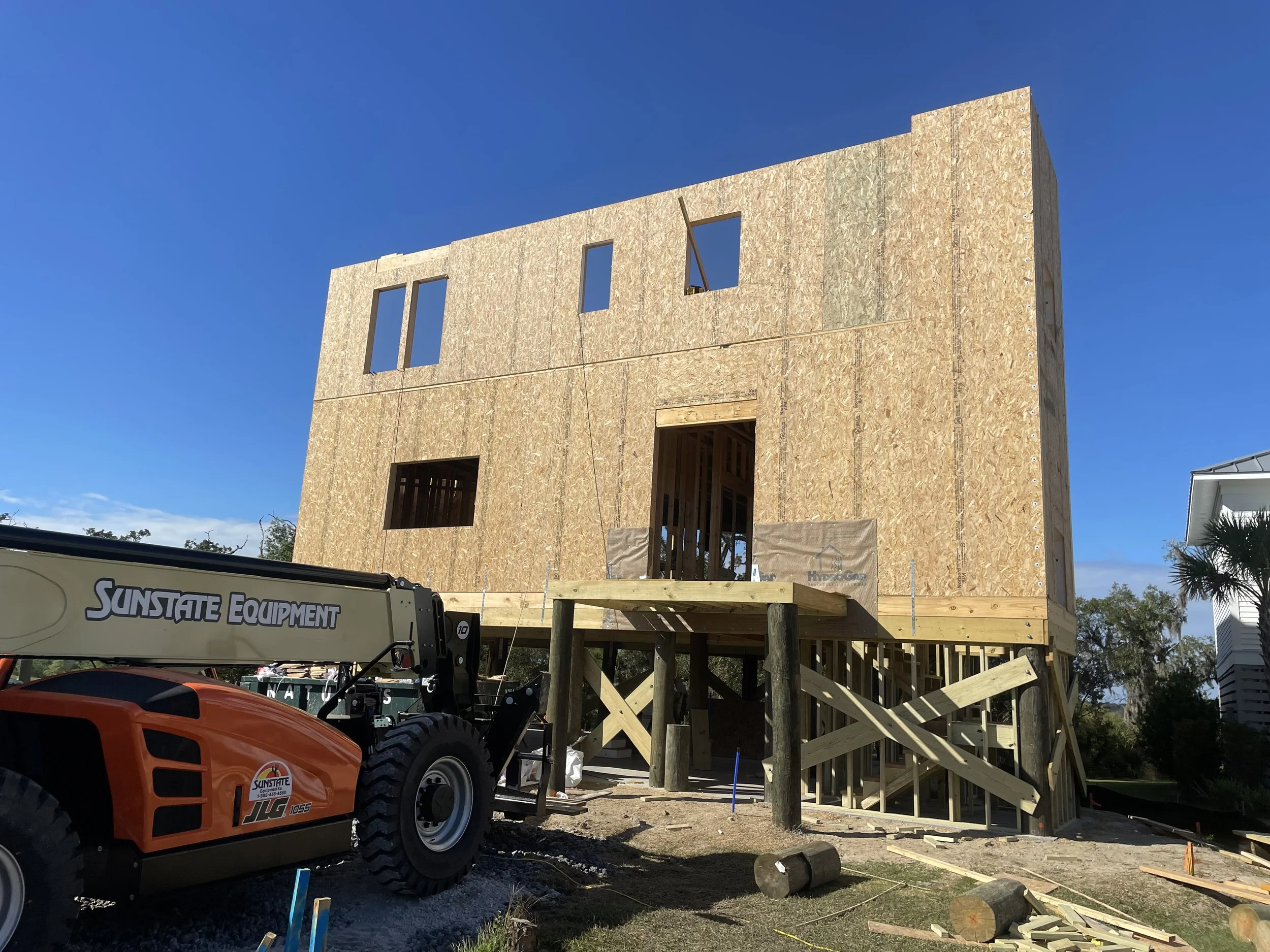
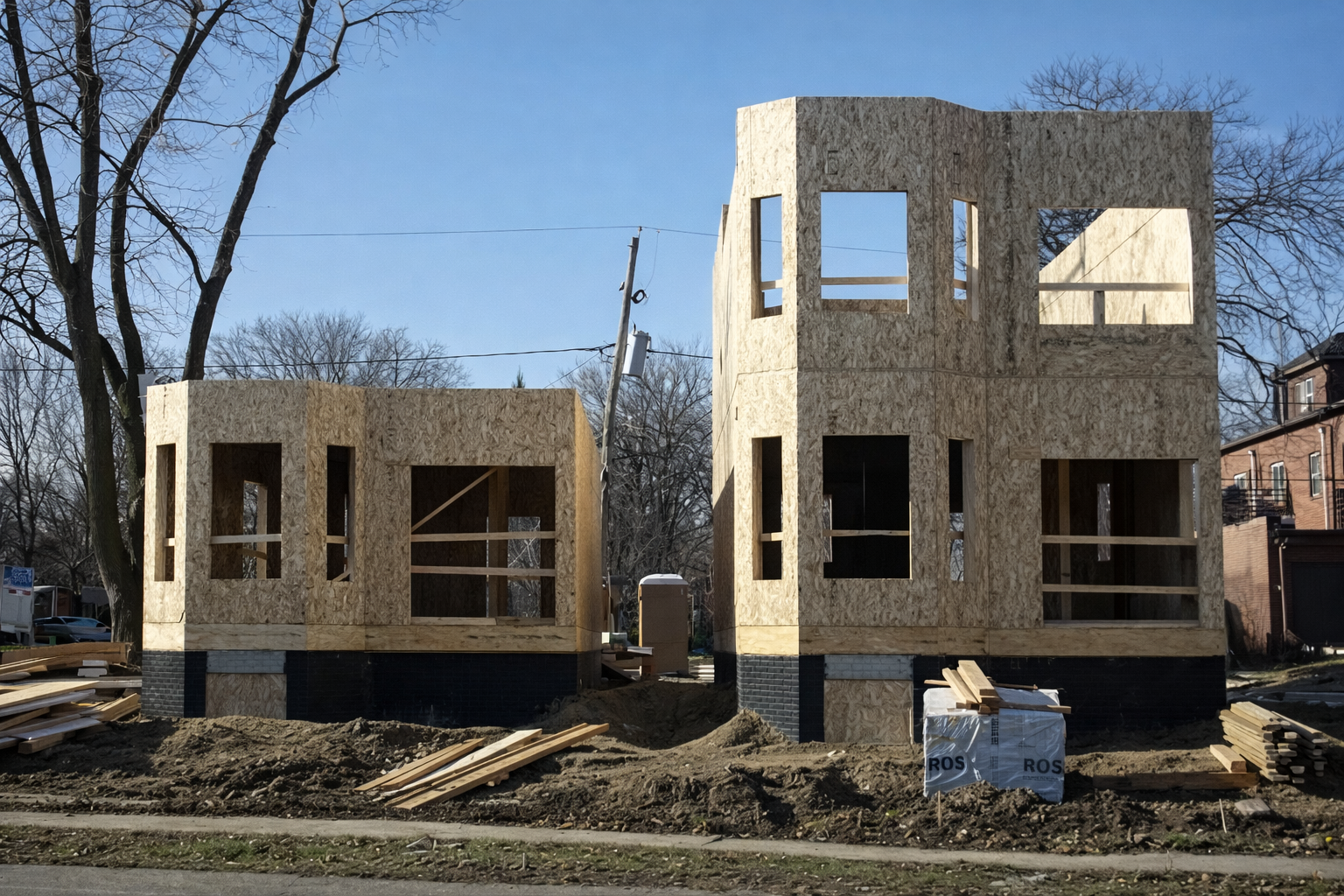
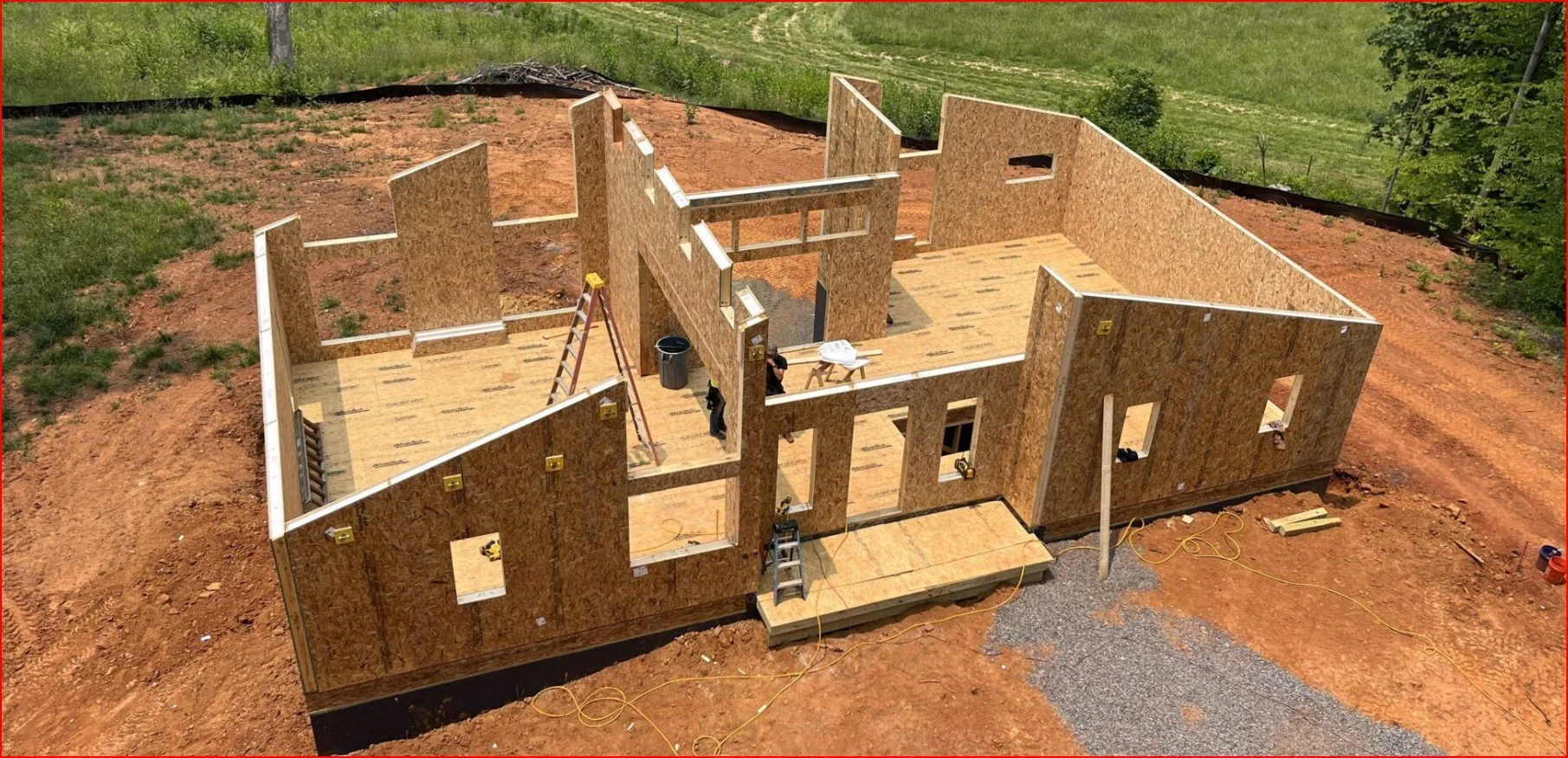
SIP Blog: Education & Insights
Practical guidance and forensic case analysis on Structural Insulated Panels (SIPs), covering design, manufacturing, installation, and long-term building performance. Written by Joe Pasma, PE, an independent structural engineer with over 40 years in SIP design, manufacturing, and field consulting, for builders, architects, developers, and anyone evaluating a SIP project.
Browse by Topic
SIP Fundamentals and Building Science
How SIPs work, how they perform, and how they compare to stick framing.
Read More →SIP Cost and Budgeting
What SIPs actually cost and how to evaluate a quote.
Read More →SIP Design and Code Compliance
Code requirements and design decisions for architects and engineers.
Read More →SIP Installation and Construction
Field guidance for GCs, framers, and subcontractors.
Read More →SIP Manufacturing and Manufacturer Selection
How SIPs are made and how to evaluate a manufacturer.
Read More →SIP Failures and Forensic Analysis
Independent analysis of SIP failures, moisture, fire performance, and forensic case work.
Read More →Consulting Insights
How PGS Consulting works and how independent SIP consulting engagements run.
Read More →Latest Articles
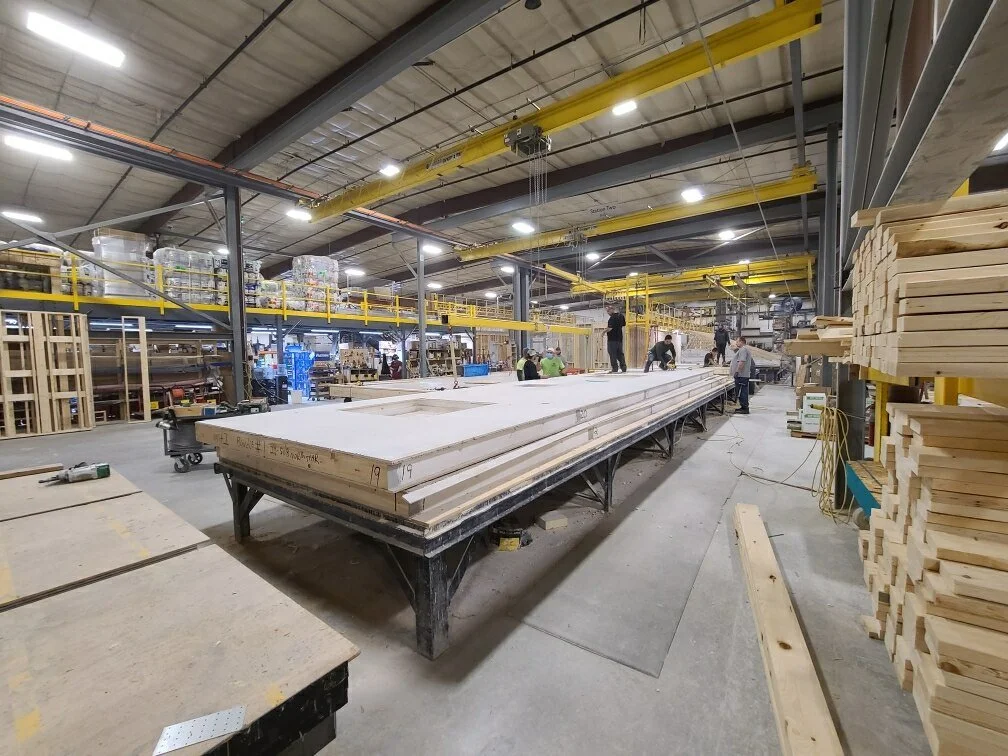
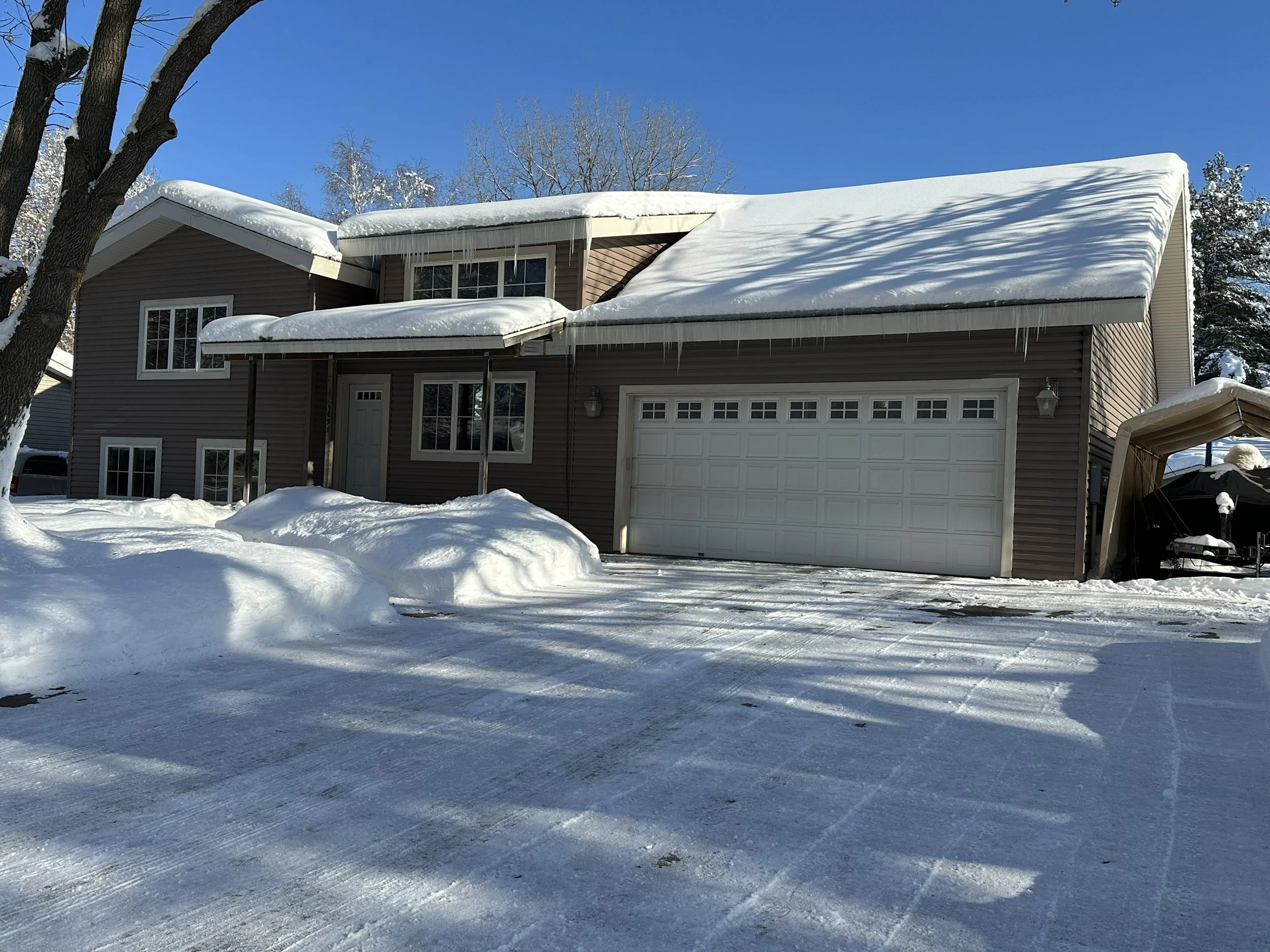
Why do ice dams still form on a tight, well-insulated SIP roof? A PGS Consulting engineer breaks down the real physics, in plain English, and explains the fix for heavy-snow climates.
Insurance premiums are climbing fast, and FORTIFIED certification can knock a real percentage off a homeowner's premium. Here's why SIP construction already does much of the structural work the toughest FORTIFIED tier requires — and what's still needed to actually get certified.
Wildfires don't spare buildings because of what they're made of, they spare buildings because of how well the details were done. Here's what actually determines how SIPs hold up against embers, radiant heat, and direct flame, and the roofing and siding choices that make or break wildfire resilience.
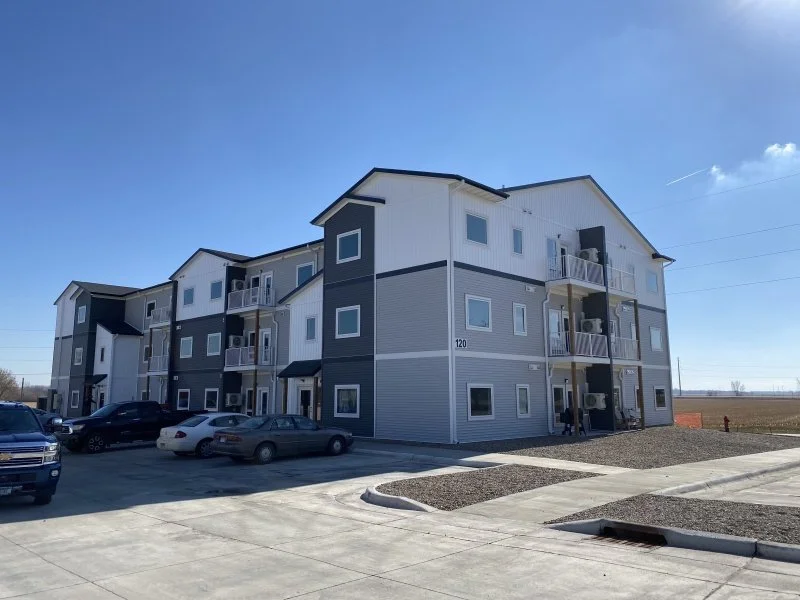
If you're building rental housing to hold, not flip, your material choices carry decades of consequences. See why small and emerging developers are turning to SIPs to cut maintenance, lower utility costs, and keep tenants renewing, backed by a real 54-unit case study in Luverne, MN.
Structural Insulated Panels are code-recognized, but that doesn't mean every SIP project can skip an engineer. Joe Pasma, PE breaks down exactly where the IRC's prescriptive tables stop working, what actually triggers engineered design, and what an ICC-ES ESR does and doesn't prove about your building.
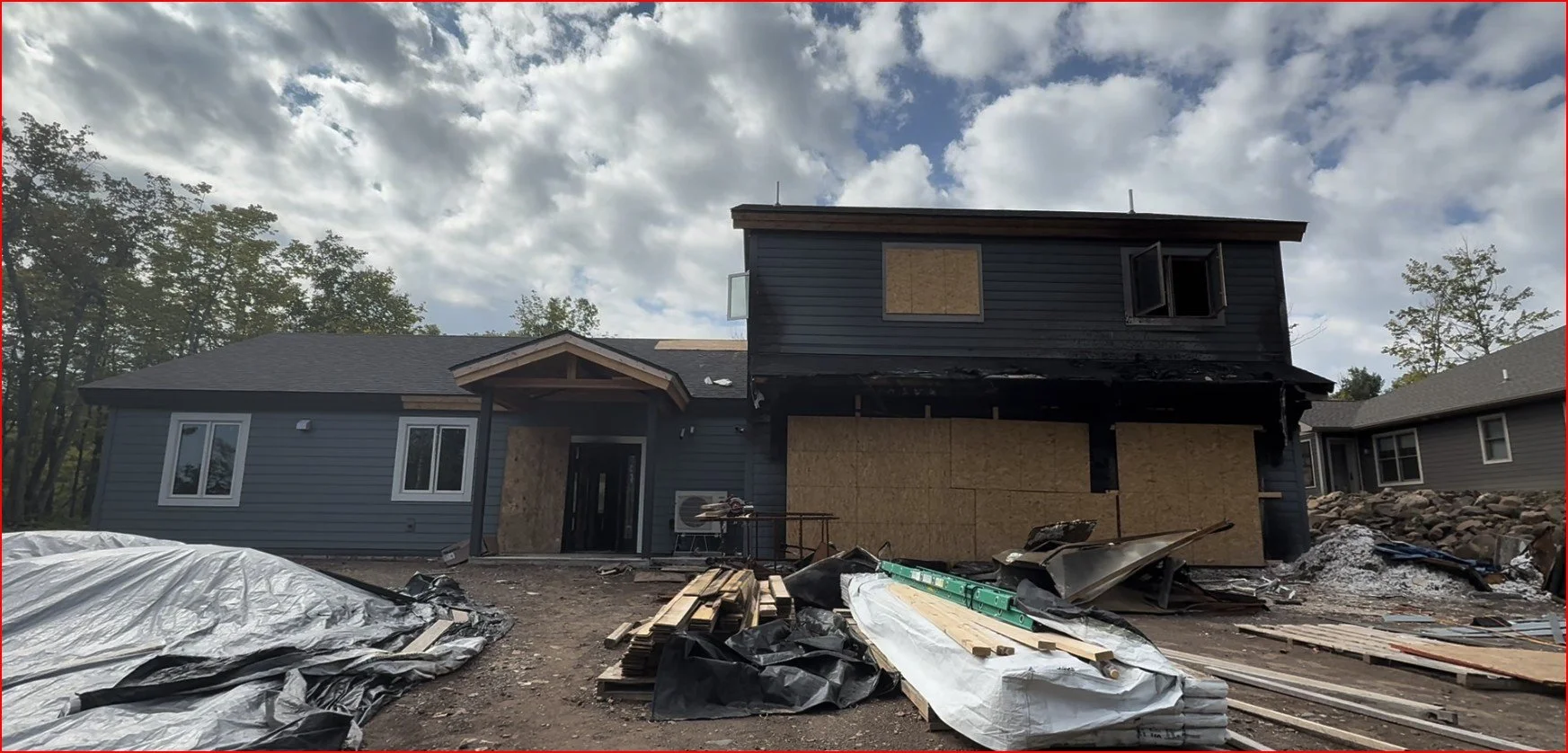
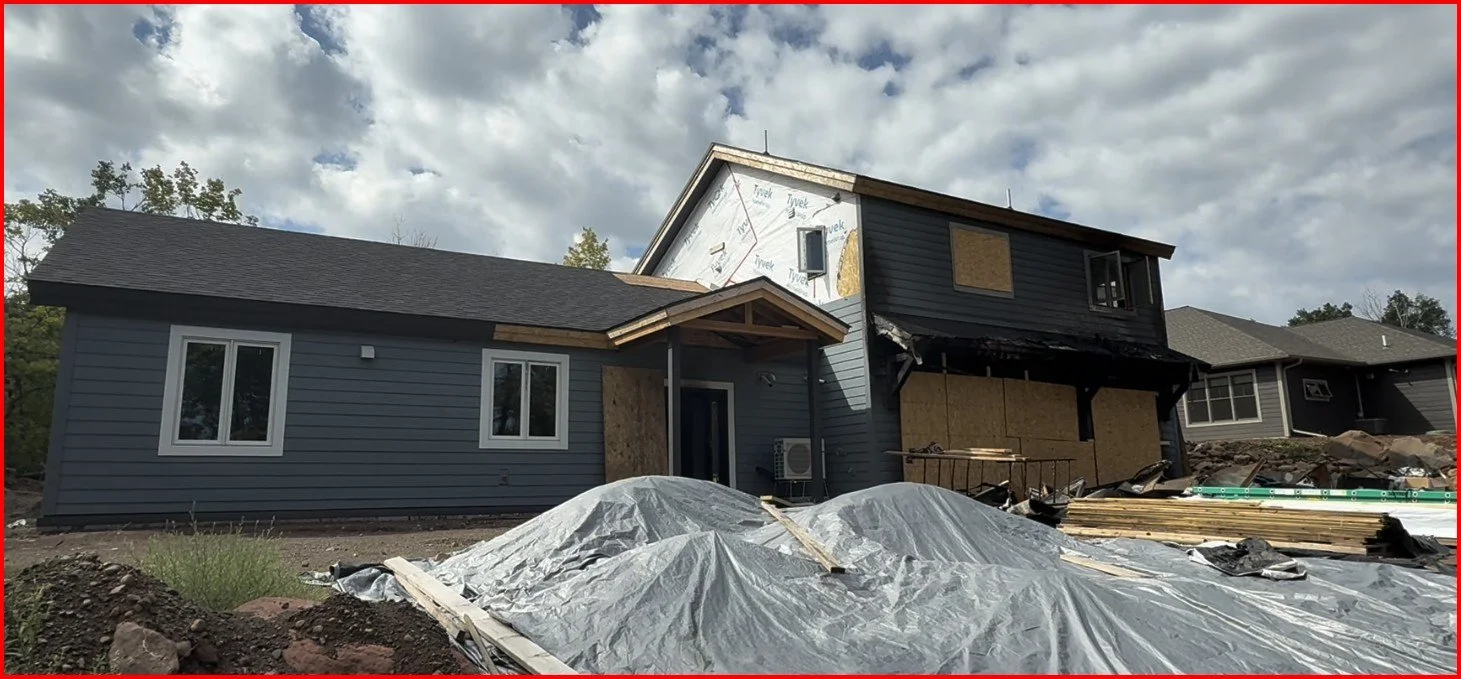
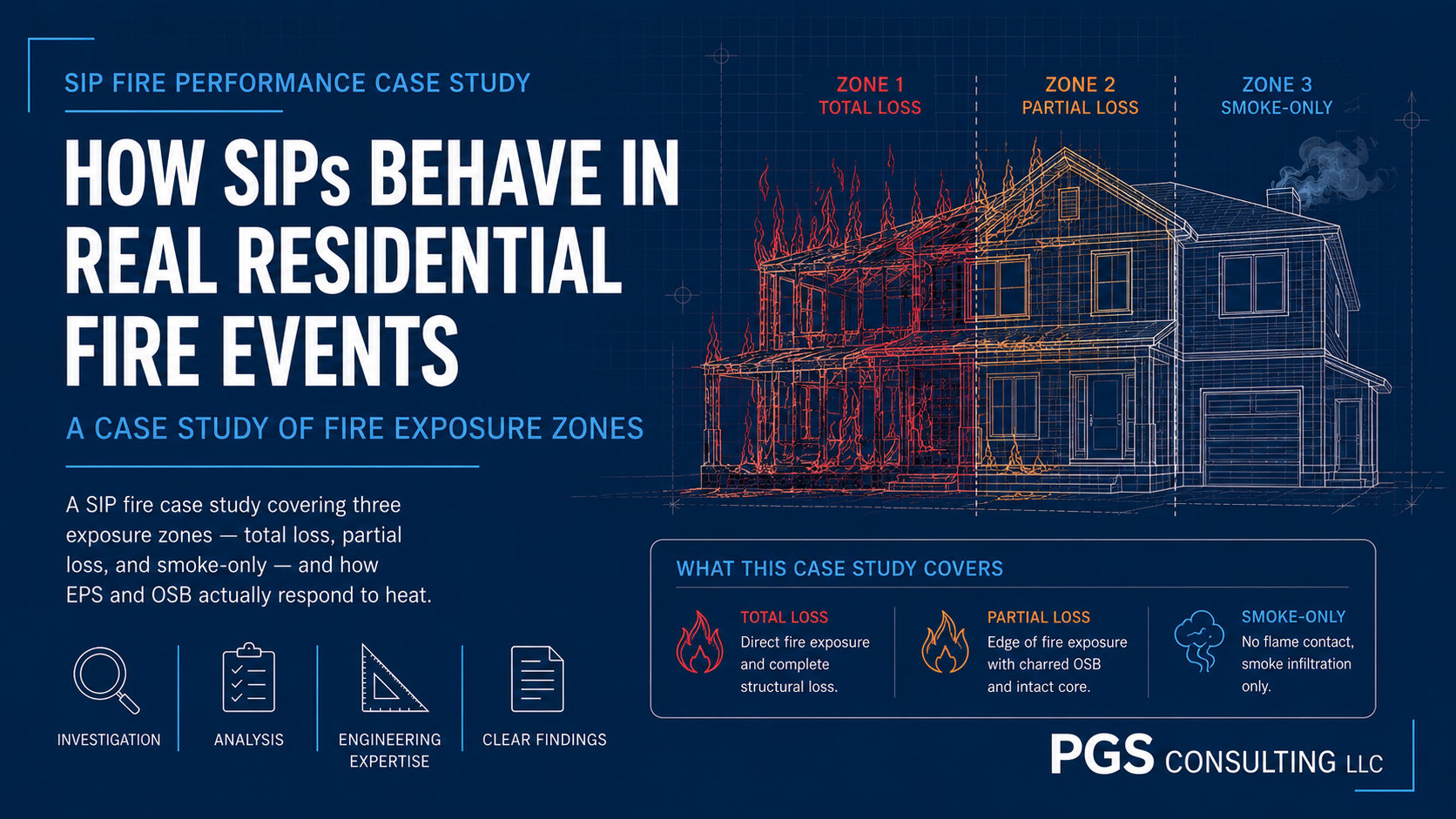
A residential SIP fire produced three very different outcomes depending on exposure: total loss, partial damage, and no structural loss at all. Here's what determined the difference — and what builders, insurers, and adjusters should take from it.
SIPs aren't new — they're the product of 90 years of engineering, from a 1935 Depression-era lab experiment to a code-recognized building system. Here's the plain-English history, and why it matters for your next build.
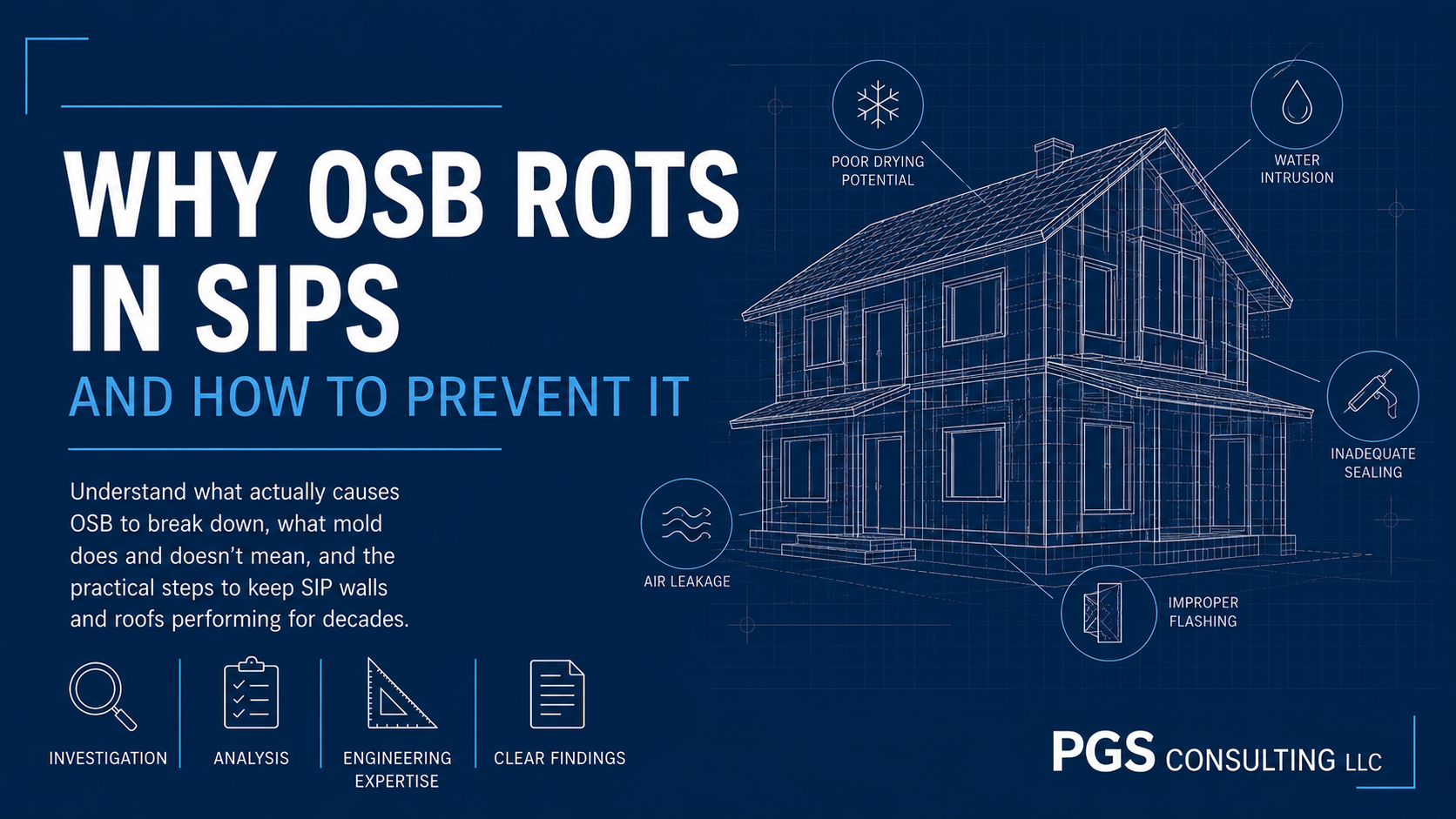
If you've ever seen a stained or swollen OSB panel and wondered whether your SIP is failing, here's the short answer: it's not the panel, it's the moisture. I walk through what actually causes OSB rot, how to tell mold from rot before you panic, and the four controls that keep it from happening in the first place.
Electricians and plumbers hear "SIPs" and assume complicated. The reality is simpler than most expect. This guide breaks down exactly how wiring and plumbing work in SIP construction -- including how electrical chases eliminate foam drilling, why plumbing belongs on interior walls, and what a prepared GC does before the first crew shows up.
A forensic case study of SIP ridge rot caused by incomplete air sealing at the ridge joint -- not exterior water intrusion. Investigated and documented by Joe Pasma, PE.
When builders say their subs don't know how to work with SIPs, they're not describing a SIP problem. They're describing a preparation problem. Here's what trades actually need -- and why the learning curve is shorter than most builders expect.
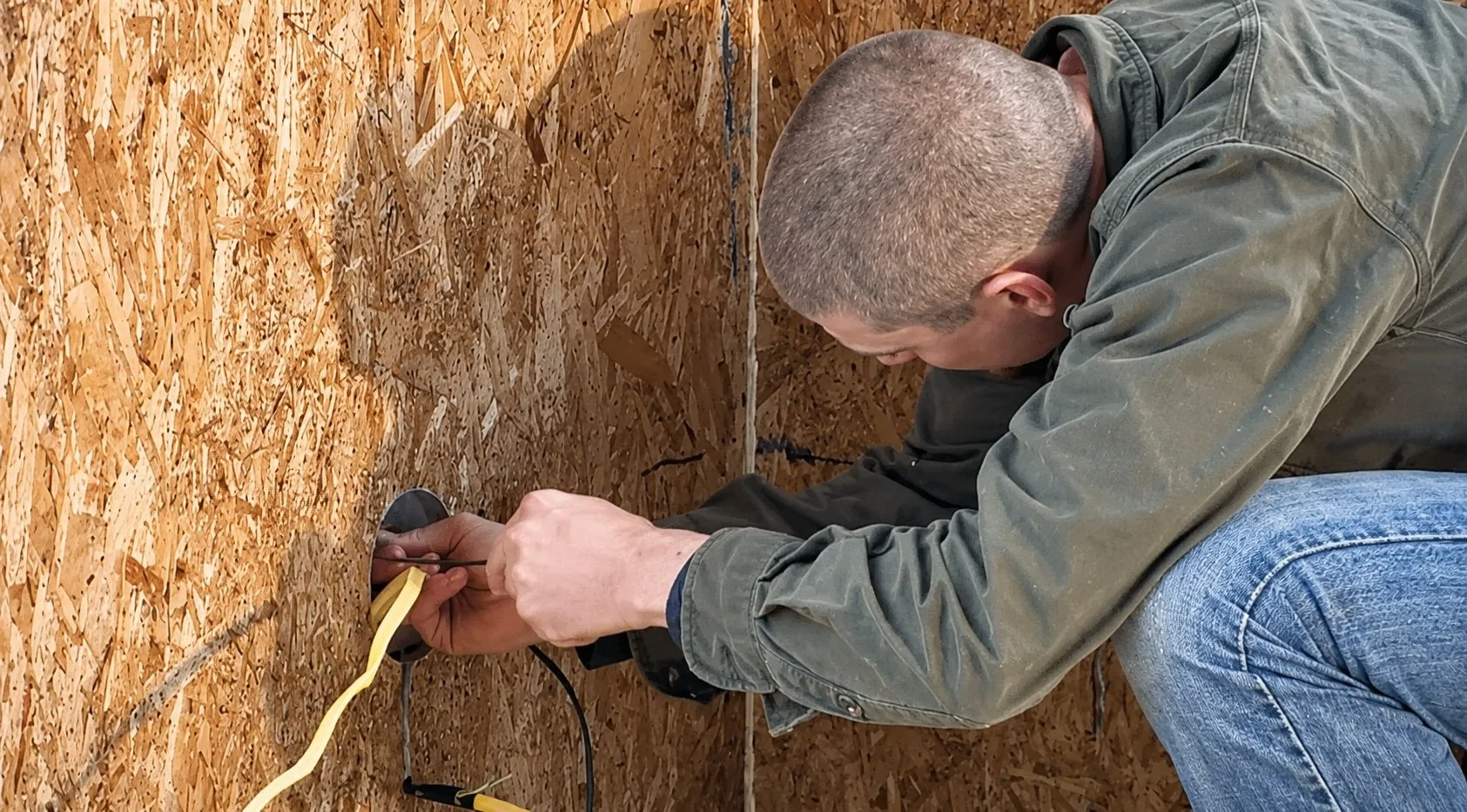
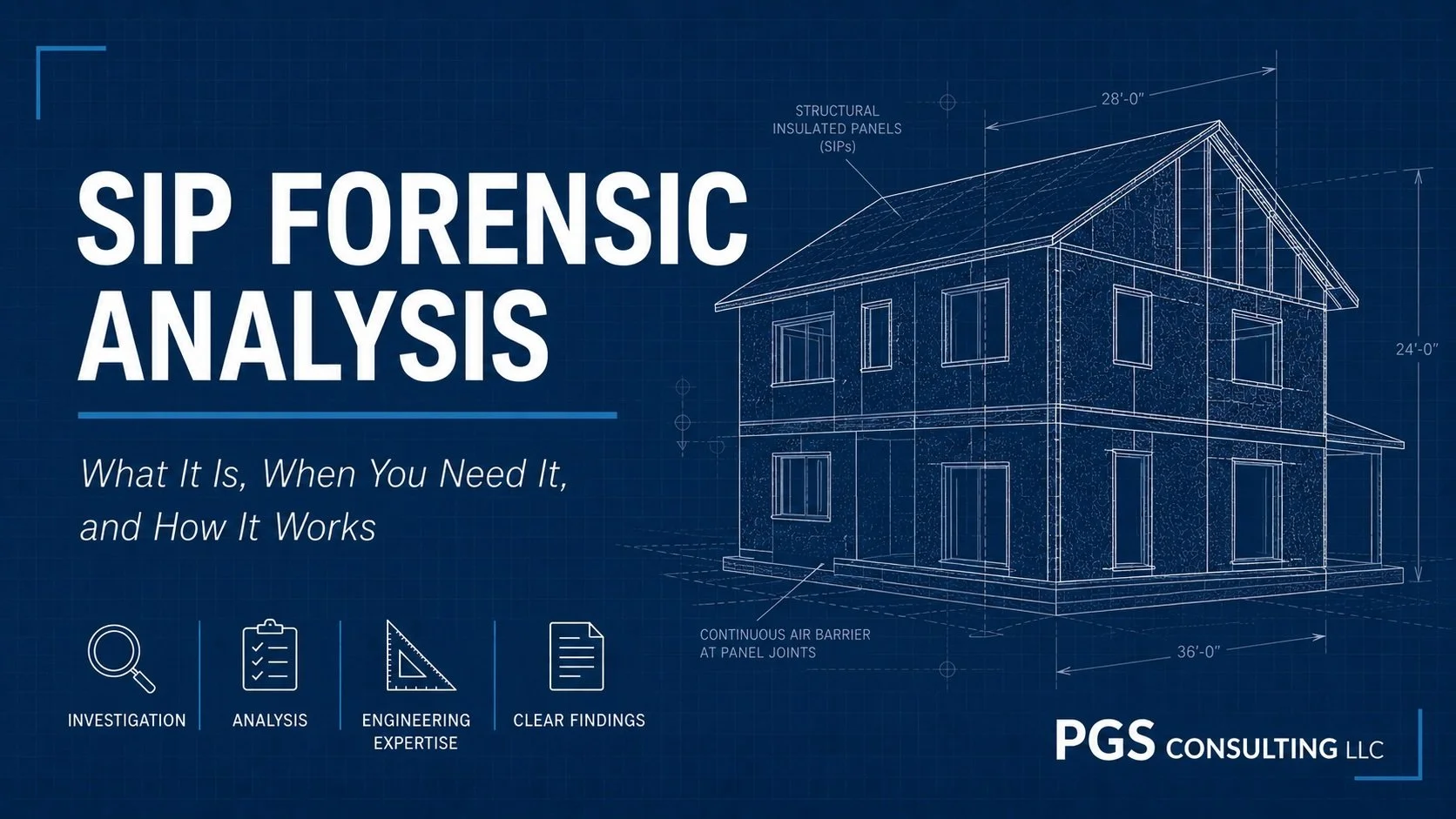
SIP panel failures rarely have a single cause. Learn what SIP forensic analysis is, when to use it, and what a real investigation looks like -- from a licensed PE with 40+ years of SIP experience.
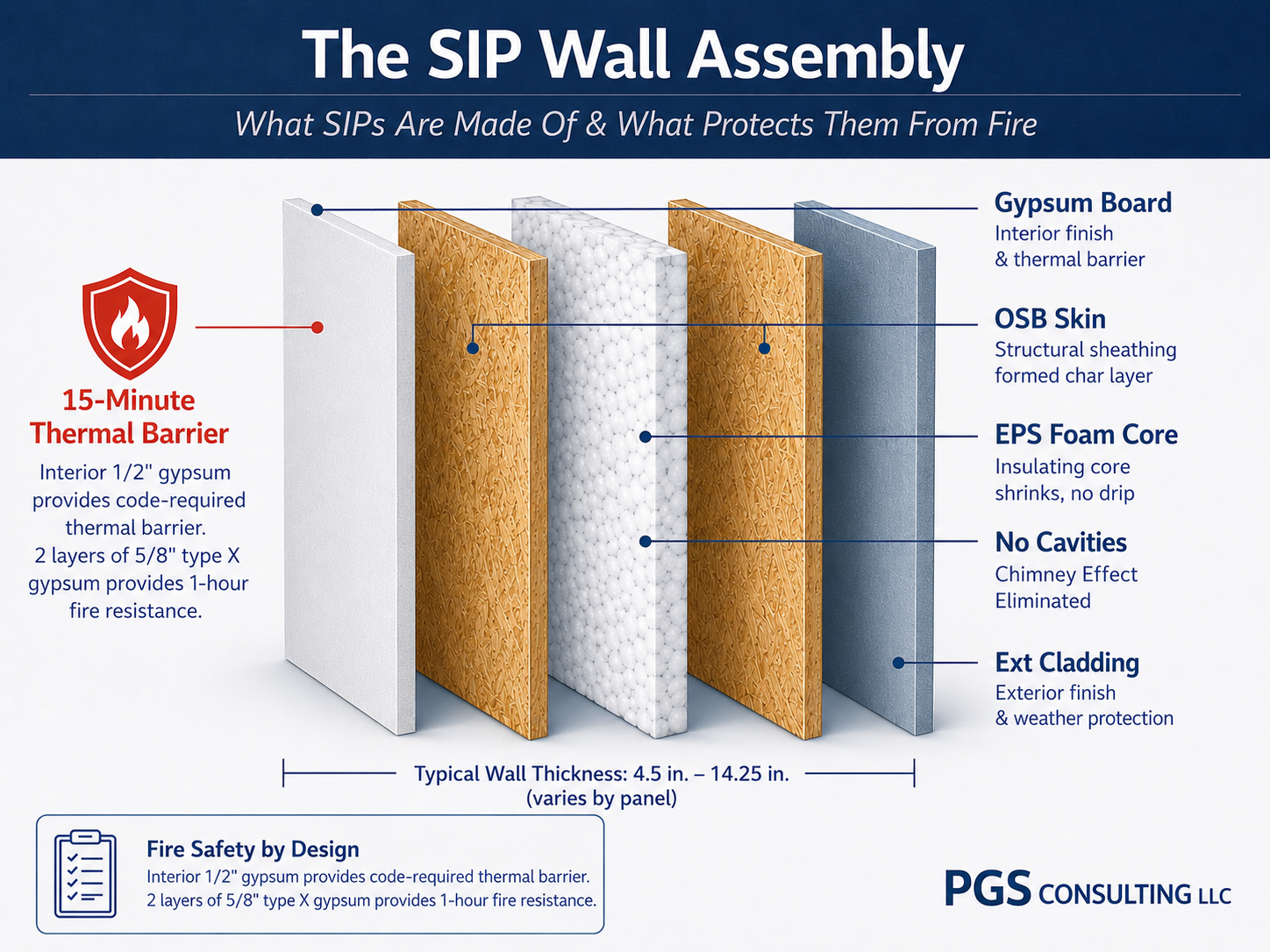
Are SIPs combustible? Yes -- but that doesn't mean unsafe. Learn how OSB and EPS behave in fire, what the building code requires, and why properly installed SIP assemblies perform predictably and safely.
SIPs vs. stick framing: which costs less over 30 years? Learn how SIPs reduce total cost of ownership through faster construction, FORTIFIED insurance savings, lower energy bills, and long-term durability. Data-driven analysis from PGS Consulting LLC.
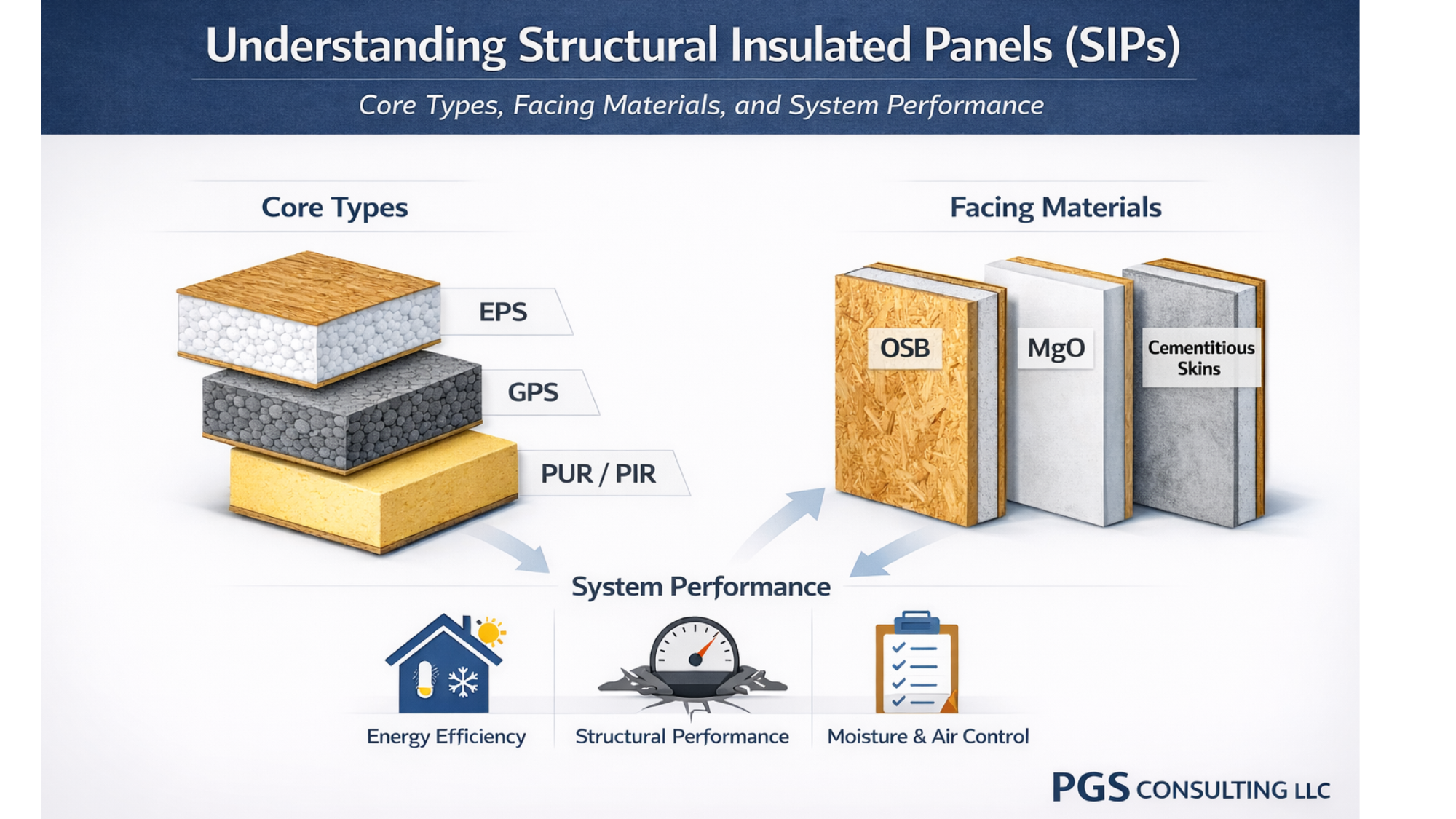
Understanding Structural Insulated Panels (SIPs) requires more than just knowing the materials. SIP performance depends on how core types, facing materials, adhesives, and system design work together. This guide breaks down EPS, GPS, and PUR/PIR cores alongside OSB, MgO, and cementitious facings to help builders, architects, and manufacturers make informed, system-based decisions.
There are more than 40 active SIP manufacturers in North America. Picking the wrong one affects your project for decades. Joe Pasma, PE breaks down the five things that actually predict manufacturer performance -- and the red flags he has seen in 40 years of being inside the plants.
Learn how to measure consulting ROI and why systems-based consulting delivers clearer results, stronger documentation, and reduced operational risk.
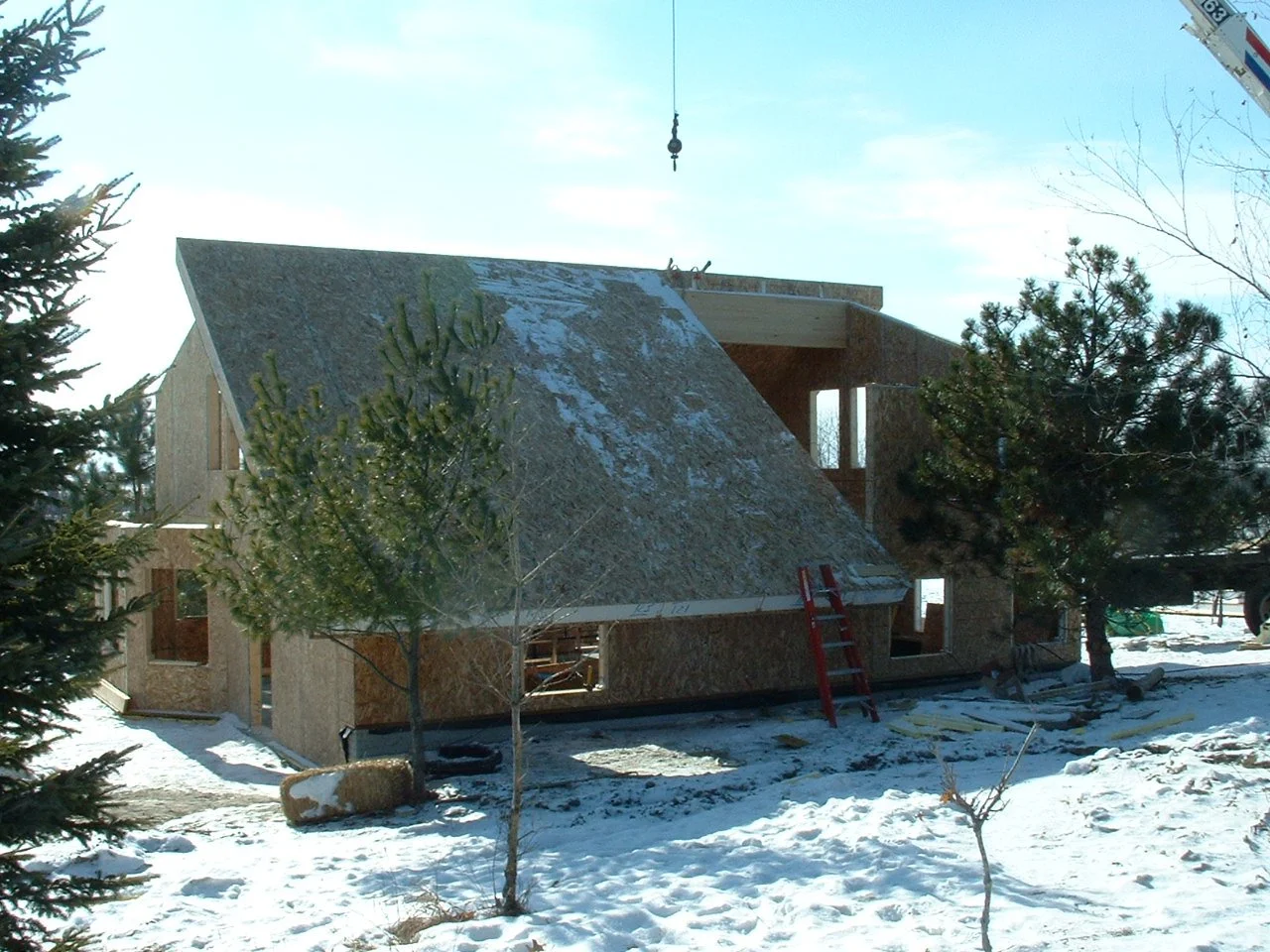
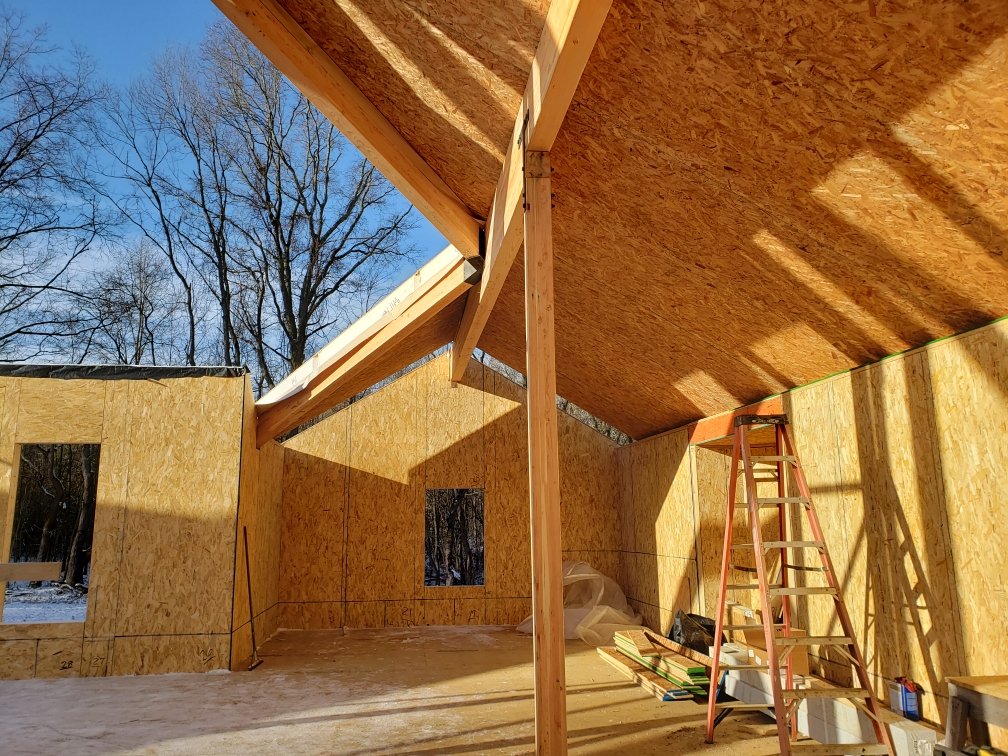
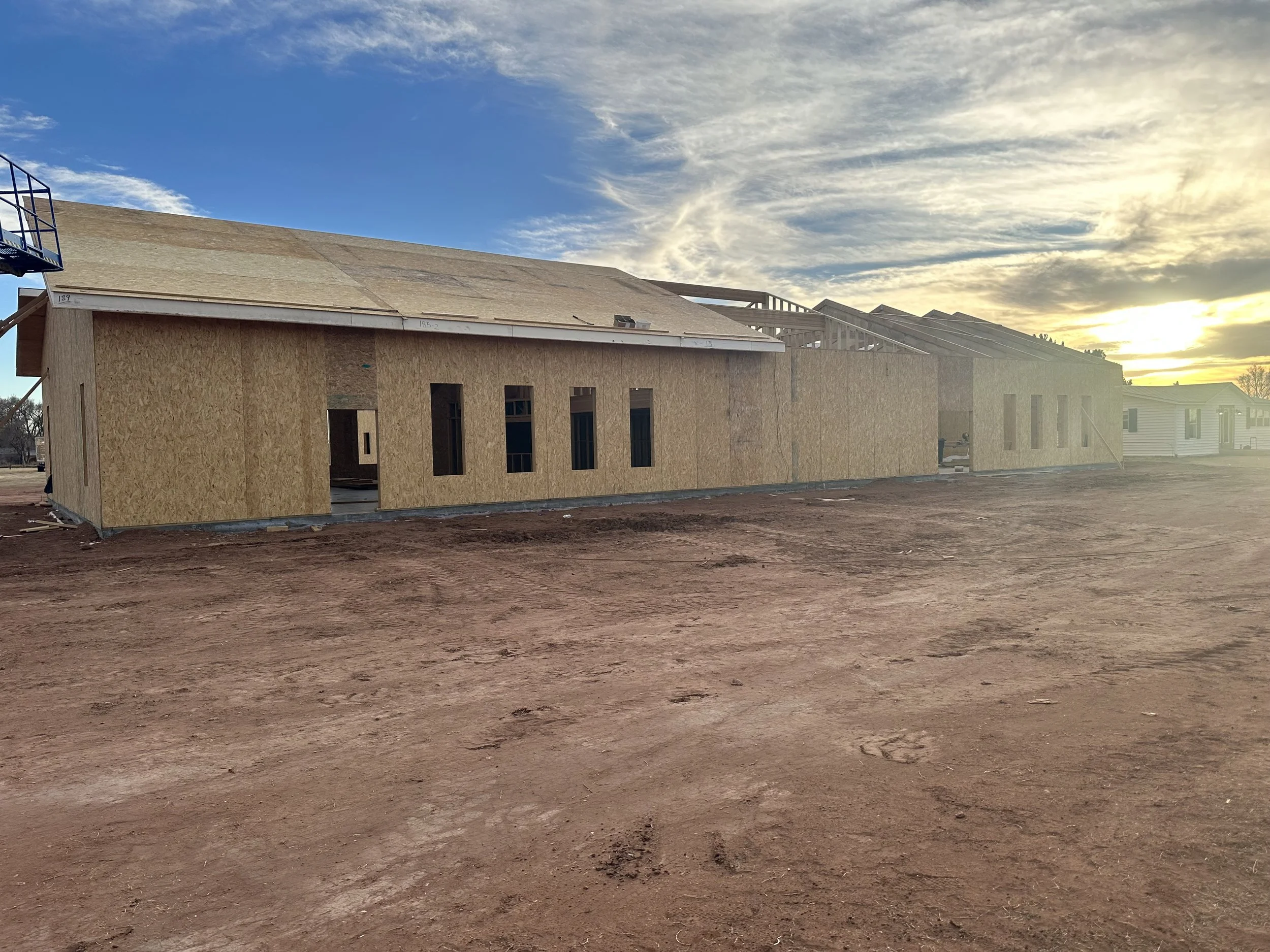
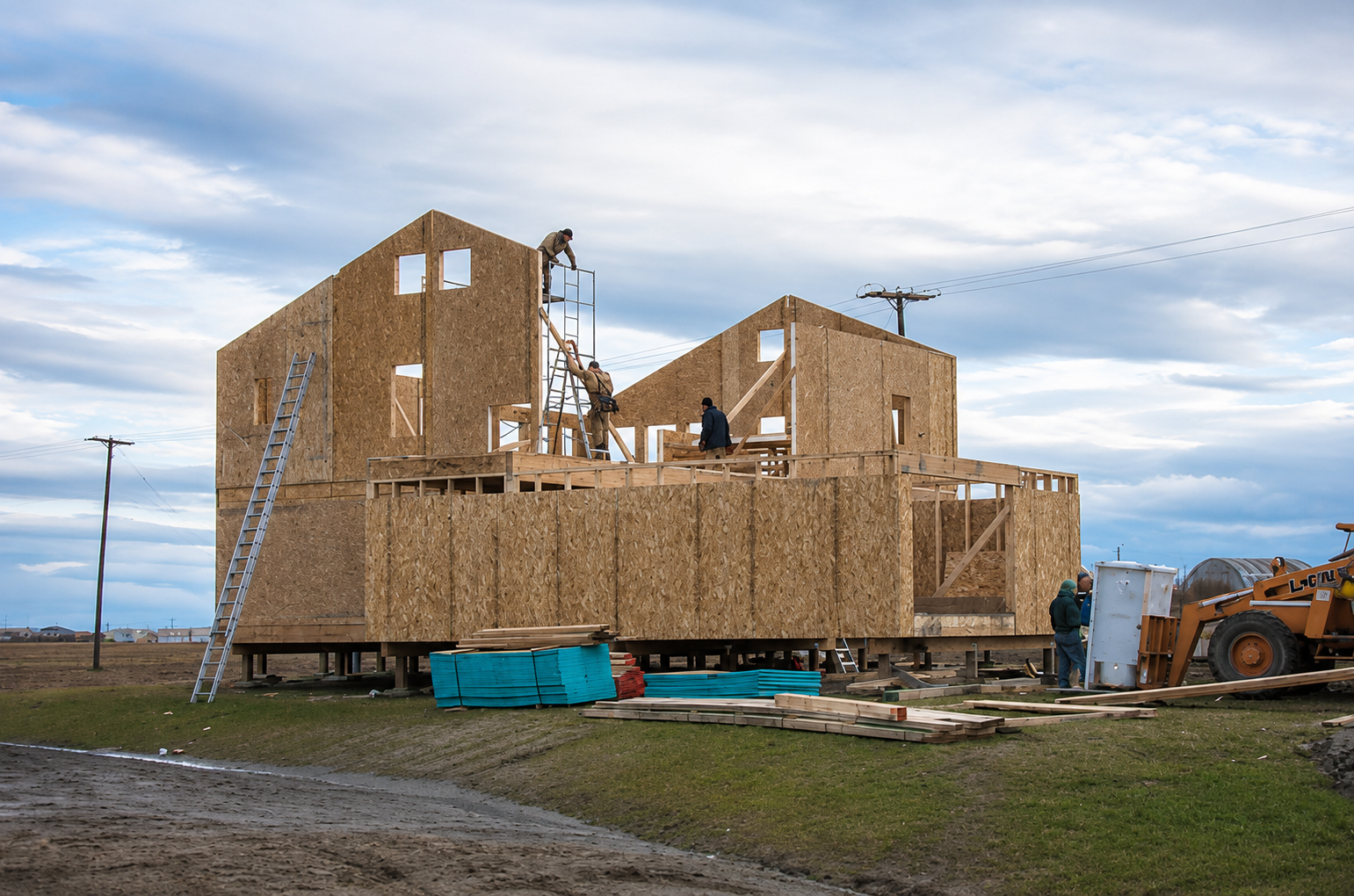
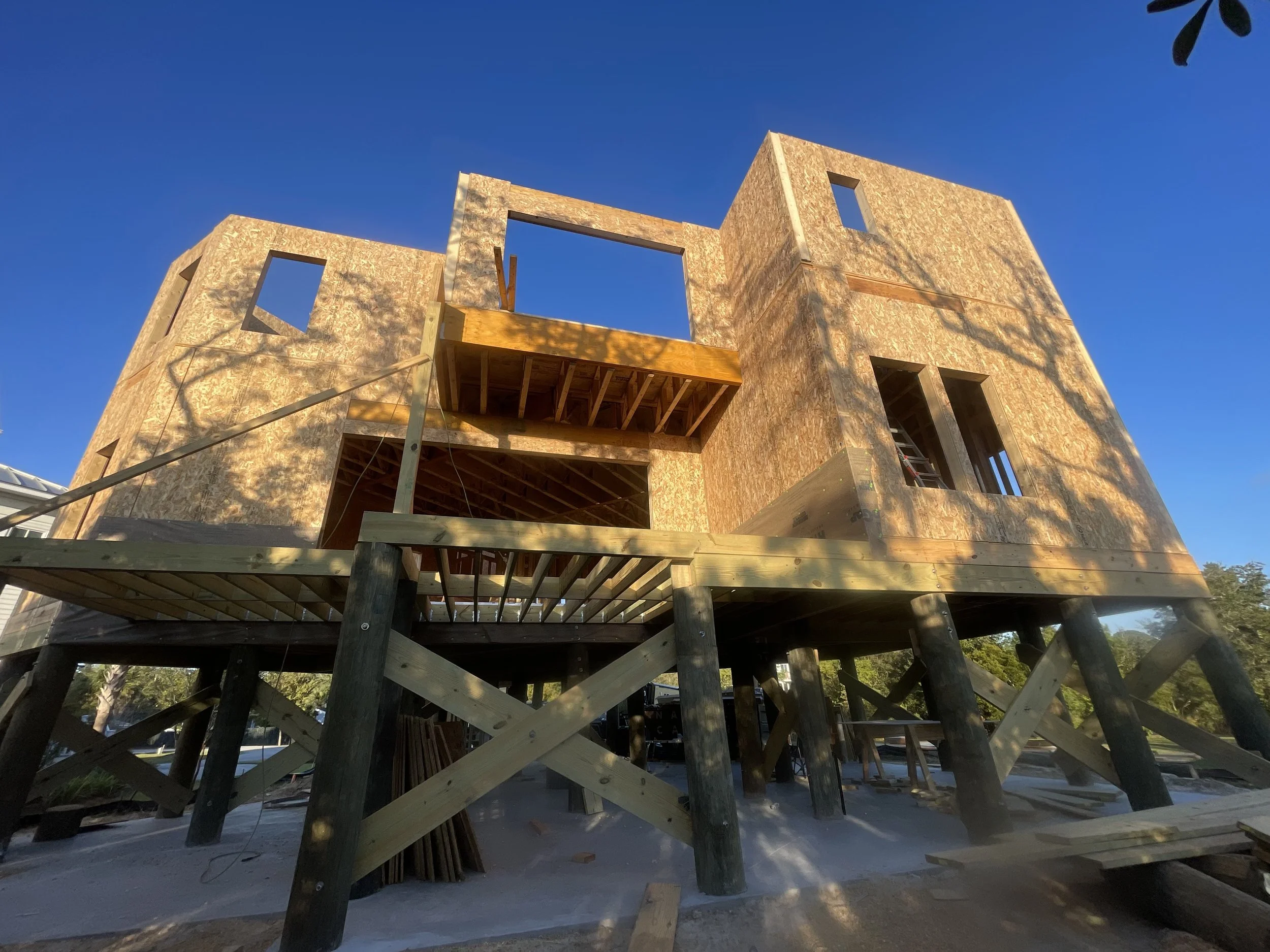
Structural Insulated Panel (SIP) building under construction, showing panelized wall and roof assembly during installation.
Why Structural Insulated Panels (SIPs) Create Faster, More Energy Efficient Building Envelopes