
SIP RESOURCES
What Are SIPs? Structural Insulated Panels Explained
A complete, engineer-authored guide for builders, designers, and project teams, written by Joe Pasma, PE, with more than 40 years of SIP engineering, manufacturing, and field experience. Published May 6, 2026 | Updated October 19, 2026
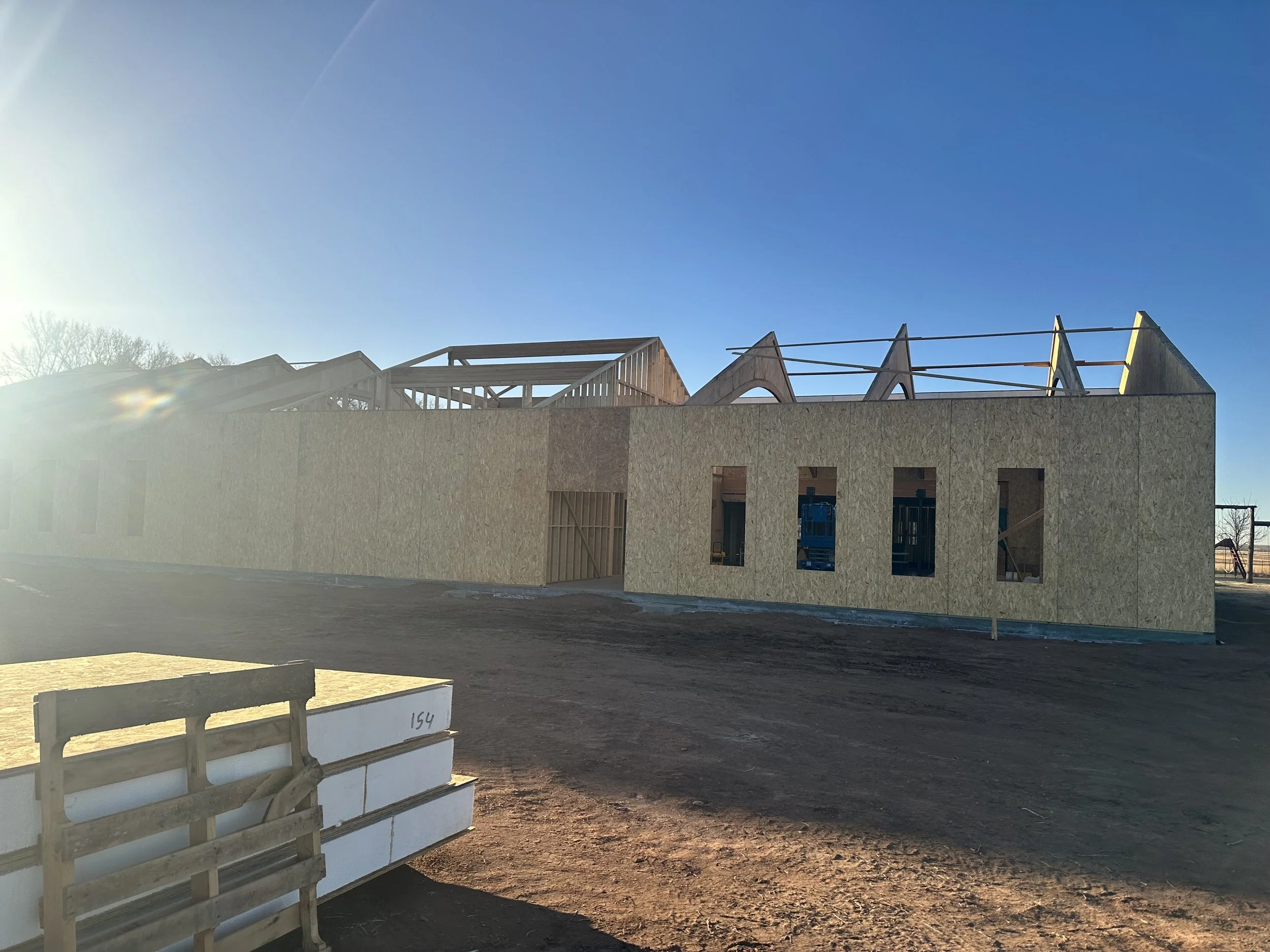
Definition
Structural Insulated Panels (SIPs) are prefabricated building components made of two structural facings, typically oriented strand board (OSB), bonded to a rigid foam insulation core, used for walls, roofs, and floors in residential and commercial construction.
Think of them as a structural and insulation system in one: two rigid outer boards bonded to a foam core in the middle. When built correctly, the whole panel works together as a single structural unit, making the building stronger, tighter, and more energy-efficient than traditional wood framing.
SIPs are used in single-family homes, commercial buildings, schools, and high-performance net-zero projects across North America. They are recognized in both the International Residential Code (IRC Section R610) and the International Building Code (Alternative Materials).
This page explains what SIPs are, how they work, what they are made of, how they compare to stick framing, and what builders and designers need to know before using them.
Key Takeaways:
SIPs combine structure and insulation in one composite panel, eliminating the need for separate framing and insulation systems
Three core types: EPS, GPS, and PUR/PIR -- each with different performance and cost profiles
SIPs are code-compliant under IRC Section R610 and IBC Alternative Materials
Upfront material costs are higher; total cost of ownership over 30 years is frequently lower due to energy, HVAC, and air sealing savings
Jump to a section:
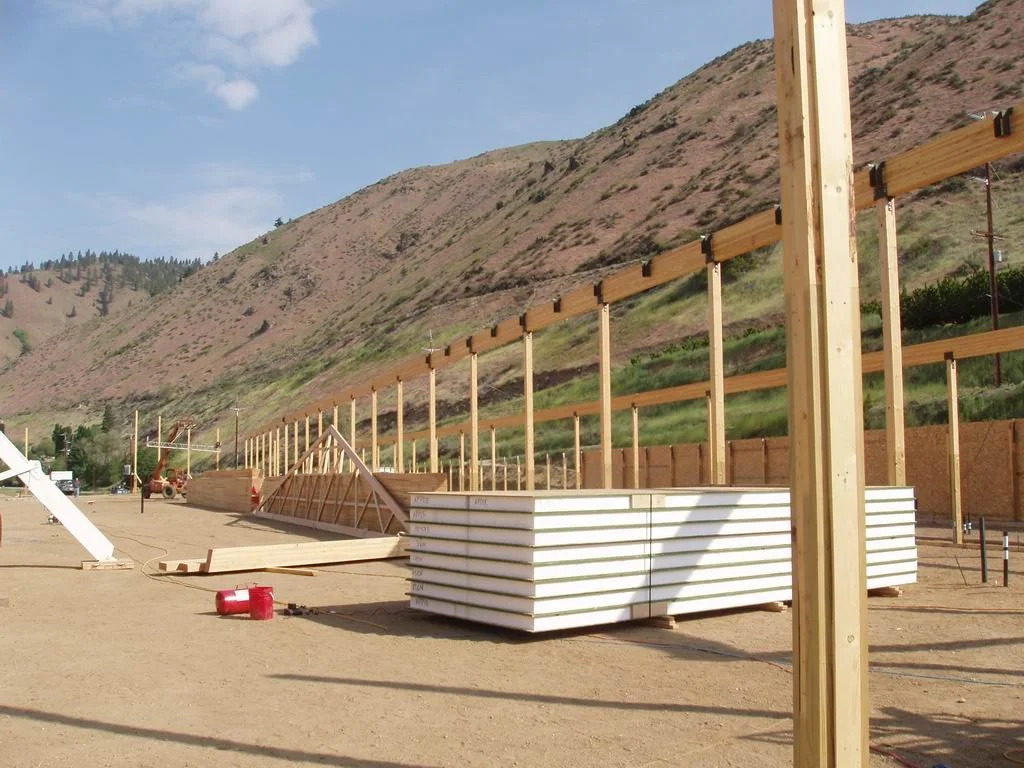
How SIPs Work
A SIP is a sandwich. The outer layers, called skins or facings, are almost always oriented strand board (OSB), the same engineered wood panel used throughout conventional construction in the United States. The middle is rigid foam insulation. Those three layers are bonded together under pressure using structural adhesive, and once cured, they act as a single composite unit.
This composite behavior is what makes SIPs perform. In stick framing, the structure and the insulation are separate systems -- studs carry gravity and wind load, the sheathing provides racking resistance, and batts fill the gaps between the studs. In a SIP, the foam core resists buckling forces on the facings while the OSB facings handle the racking, shear, tension and compression forces. The result is a panel that is stiffer, stronger, and more airtight than what you get with conventional framing.
The practical consequences matter:
Walls and roofs come out straighter because panels do not bow or crown the way dimensional lumber does
Whole-wall R-value is higher and more consistent because there is minimal thermal bridging through studs
Air infiltration is dramatically lower because the system is continuous, not interrupted by framing members and joints
Span capacity is higher, SIP roofs can span long distances without trusses, depending on thickness and engineering
How a SIP Panel Actually Carries a Load
Picture a SIP as a ream of copy paper with a plastic wrapper on top and bottom of the ream. The two OSB skins on the outside of the SIP act like the plastic wrapper of the ream of paper when the ream is bent. They stretch and compress as the panel (ream) bends under load. The bottom stretches and the top compresses.
The foam core in the middle (the sheets of paper) does a different job: it resists shear, which is the sliding force between the top and bottom skins.
The two only work well together because they're glued into one solid unit. That teamwork is called composite action, and it's the reason a panel just a few inches thick can be so stiff for how little it weighs. It's also why the foam core's own flexibility matters more in a SIP than it would in a solid wood beam or an engineered I-joist.

Ream of Bent Paper - Pages Not Glued - No Composite Action

Ream of Paper Not Bending - Pages Not Glued - No Composite Action
Core Types: EPS, GPS, and PUR/PIR
The foam core is what sets SIP products apart from each other. There are three primary core types used in North America. Choosing the right one depends on your climate, budget, performance goals, and what the manufacturer offers.
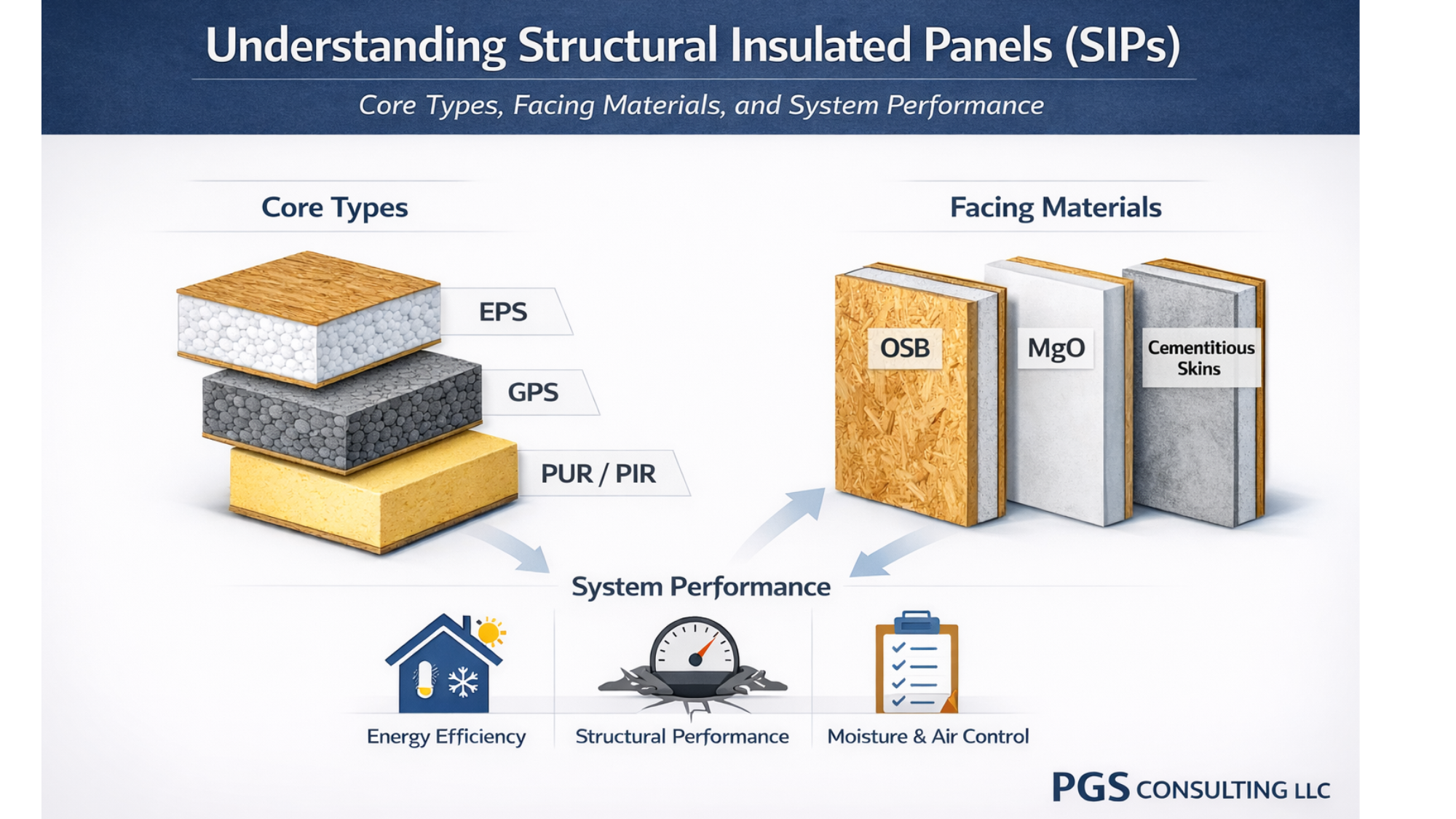
Expanded Polystyrene (EPS) - The Most Common
EPS is the standard for residential and light commercial SIPs. It is cost-effective, dimensionally stable, and its R-value holds steady over time -- it does not degrade the way some other foams do. Most builders working with SIPs for the first time will most likely use EPS. Typical R-values run from R-3.6 to R-4.5 per inch, depending on density.
Graphite Polystyrene (GPS) - Higher Performance, Similar Handling
GPS is EPS with graphite particles mixed in. The graphite reflects radiant heat, pushing R-values up to R-4.7 to R-5.1 per inch. It handles and installs the same way as EPS, which makes it an easy upgrade for projects targeting high-performance or net-zero certification without changing the construction process.
Polyurethane / Polyisocyanurate (PUR/PIR) -- Highest Initial R-Value
PUR and PIR cores start at R-6.0 to R-7.2 per inch, the highest of any common SIP core. There is an important distinction: these foams experience what is called thermal drift. The blowing agents that give them their high initial R-value slowly diffuse out over time and are replaced by air, which reduces performance. Long-term aged R-values settle in the R-5.0 to R-6.5 range. This is normal and accounted for in manufacturer code reports -- it simply means EPS and GPS, which do not drift, often perform better over a 30-year time horizon. PUR/PIR is most common in commercial applications, cold storage, and projects requiring thinner panels with maximum performance.
Core Type Comparison
| Core Type | R-Value per Inch | R-Value Drift? | Best For |
|---|---|---|---|
| EPS | R-3.6 to R-4.5 | No | Residential, light commercial, best cost-to-value |
| GPS | R-4.7 to R-5.1 | No | High-performance and net-zero projects |
| PUR/PIR | R-6.0 to R-7.2 initial R-5.0 to R-6.5 aged |
Yes | Commercial, cold storage, thin panel applications including residential |
EPS
GPS
PUR/PIR
Facing Materials
Most SIPs use OSB facings on both sides. OSB is strong, well-understood, and compatible with standard framing connections. A few specialty applications use different skins.
OSB (Oriented Strand Board): Standard for residential and commercial SIPs
MgO (Magnesium Oxide Board): Fire-resistant and moisture-resistant; used in specialty applications
Cementitious Panels: Noncombustible facings for high-moisture or fire-rated assemblies
Metal Skins: Used in cold storage and industrial facilities
Engineer's Note
MgO and cementitious facings are fire-resistant, but the SIP panel's overall performance under fire depends on the foam core, not just the skin. EPS and GPS cores can melt or lose structural integrity as temperatures rise, even with intact facings. PUR/PIR cores char rather than melt. The building codes require all foam plastics to be covered by approved thermal barriers. When fire performance matters, evaluate the full assembly, not just the facing material.
Adhesives: The Bond That Makes a SIP a SIP
A SIP is only as strong as its bond. The adhesive layer between the foam core and the OSB facings is what allows the three components to act as a single structural unit. Without it, you have foam and wood sitting next to each other. With it, you have a composite panel that can carry loads no individual component could handle on its own.
Polyurethane (PU) is the standard adhesive in modern SIP manufacturing in the United States. It bonds well to both foam and OSB, cures reliably under controlled press conditions, and provides the flexibility needed to accommodate the slight differences in how foam and wood respond to temperature and moisture over time. Most panels built today use a PU-based adhesive system.
Epoxy adhesives appear in specialized applications where higher bond strength or chemical resistance is required. They are less common in production SIP manufacturing because of cost and slower cure times, but they perform well in demanding environments.
PVA-based adhesives were used in earlier SIP production, particularly in the 1980s and 1990s. They are not suitable for structural SIP applications by current standards. If you are evaluating an older SIP building, the adhesive system is one of the factors a qualified engineer should assess.
What matters in practice: the quality of the bond depends on more than adhesive chemistry. Press pressure, cure time, temperature at time of manufacturing, and surface preparation all affect the final bond. This is one of the reasons manufacturing process quality matters -- and why it is an area where outside review adds real value.
The Critical Layer No One Sees or Thinks About
Adhesives are absolutely critical to Structural Insulated Panel (SIP) performance, dictating their load-bearing strength, delamination resistance, and long-term durability. Without a proper chemical bond from high-performance polyurethane or emulsion polymer isocyanate adhesives, the sandwich components cannot function as a unified structural composite.
Core Structural Impacts
Load Distribution: Transfers shear stresses uniformly between the rigid foam core and outer facings (like OSB), preventing individual layers from buckling under wind or weight loads.
Stress Accommodation: High-quality polyurethane glues provide elasticity to absorb shifting caused by thermal expansion and contraction between dissimilar materials.
Creep Resistance: Prevents long-term slippage or separation of the facings from the core under continuous dead loads.
Environmental and Durability Factors
Moisture Defense: Creates an impermeable barrier that stops water infiltration, protecting vulnerable wood skins from rot and internal mold growth.
Weather & Thermal Shocks: Withstands severe temperature swings and humidity cycles without degrading the bond line.
Curing Precision: Requires strict adherence to manufacturer temperature and humidity windows (typically optimal at 60–90°F) to reach full structural design capacity.
How SIPs Compare to Traditional Stick Framing
The most common comparison is a 6-inch EPS SIP wall against a 2x6 stud wall with R-21 fiberglass batts. On paper, the R-values look close. In the field, they are not.
Stick framing has a stud every 16 or 24 inches. Each stud is a thermal bridge -- a path for heat to move through the wall, bypassing the insulation entirely. Whole-wall R-value for a 2x6 wall with R-21 batts typically lands around R-14 to R-17 once you account for that bridging. A 6-inch EPS SIP panel covers the full surface without interruption.
Air infiltration tells a similar story. In blower-door testing, SIP buildings consistently outperform stick-framed buildings with equivalent insulation values because the SIP envelope has far fewer seams and gaps.
Structurally, the gap is just as significant. Studs at 16 or 24 inches carry loads individually -- each one a discrete point of strength. A SIP panel behaves as a single composite unit, where the OSB facings and foam core work together to resist loads across the entire surface. That composite action gives SIP walls roughly two to three times the racking strength of comparable stick-framed walls. The panel as a whole outperforms what any of its individual components could do on their own.
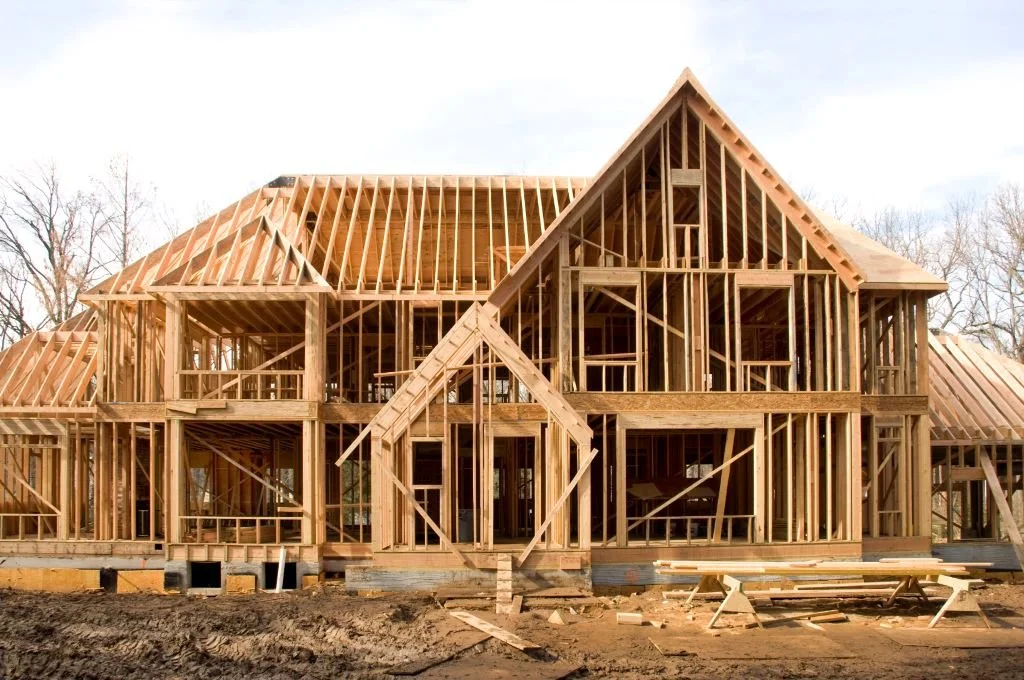
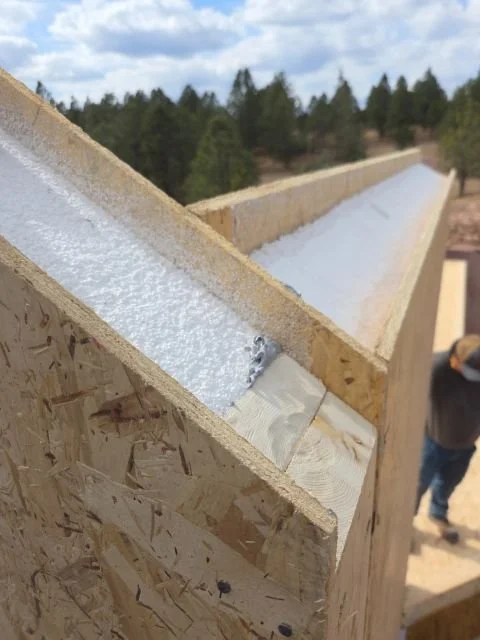
SIPs vs. 2x6 Stick Framing (R-21)
| Category | SIP Construction | 2x6 Stick Framing (R-21) |
|---|---|---|
| Whole-Wall R-Value | R-24 to R-40+ (6.5” EPS/GPS) | R-14 to R-17 after thermal bridging |
| Air Infiltration | Dramatically lower; built-in continuity | Higher; depends on air sealing quality |
| Thermal Bridging | Minimal -- continuous insulation | Significant -- stud every 16 to 24 inches |
| Construction Speed | Faster -- pre-cut, fewer components | Slower -- more field labor required |
| Structural Strength | Composite panel -- high stiffness | Point loads through individual studs |
| Upfront Material Cost | Higher | Lower |
| Total Cost of Ownership (30 yr) | Often lower -- energy, HVAC, air sealing savings | Often higher over time |
Whole-Wall R-Value
SIP Construction
R-24 to R-40+ (6.5” EPS/GPS)
2x6 Stick Framing
R-14 to R-17 after thermal bridging
Air Infiltration
SIP Construction
Dramatically lower; built-in continuity
2x6 Stick Framing
Higher; depends on air sealing quality
Thermal Bridging
SIP Construction
Minimal -- continuous insulation
2x6 Stick Framing
Significant -- stud every 16 to 24 inches
Construction Speed
SIP Construction
Faster -- pre-cut, fewer components
2x6 Stick Framing
Slower -- more field labor required
Structural Strength
SIP Construction
Composite panel -- high stiffness
2x6 Stick Framing
Point loads through individual studs
Upfront Material Cost
SIP Construction
Higher
2x6 Stick Framing
Lower
Total Cost of Ownership (30 yr)
SIP Construction
Often lower -- energy, HVAC, air sealing savings
2x6 Stick Framing
Often higher over time
For a deeper look at the full cost picture across a 30-year horizon, see the SIP Cost Guide →
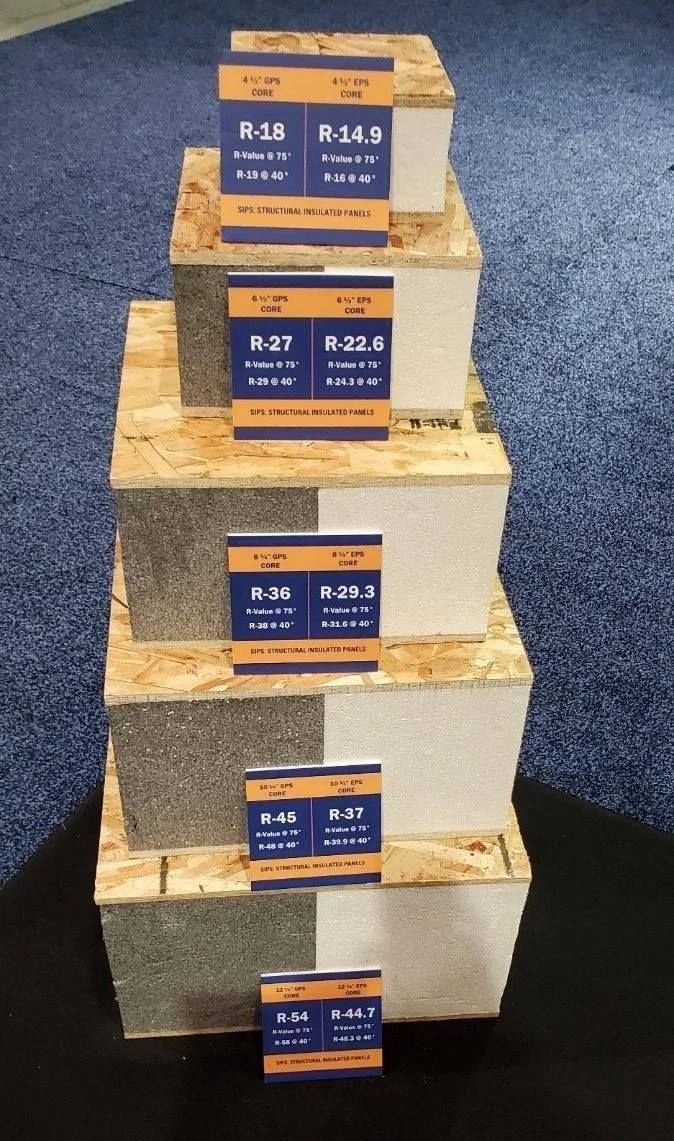
Common SIP Thicknesses and R-Values
SIP panels come in standard thicknesses. The right thickness depends on your climate zone, code and structural requirements, and performance targets. Panel widths up to 8 feet and lengths up to 24 feet are common, though this varies by manufacturer.
Panel Thickness Reference
On mobile, swipe left to view the full table.
| Nominal Panel Thickness | EPS R-Value | GPS R-Value | Common Use |
|---|---|---|---|
| 4.5” | R-16 to R-20 | R-18 to R-23 | Mild climates, interior party walls |
| 6.5” | R-24 to R-30 | R-27 to R-33 | Most residential wall applications |
| 8.25” | R-33 to R-38 | R-37 to R-42 | Cold climate walls, roof panels |
| 10.25” | R-42 to R-48 | R-47 to R-52 | High-performance and net-zero walls, roofs |
| 12.25” | R-50 to R-58 | R-55 to R-62 | Extreme climates walls and roofs, net-zero roofs |
Where SIPs Are Used
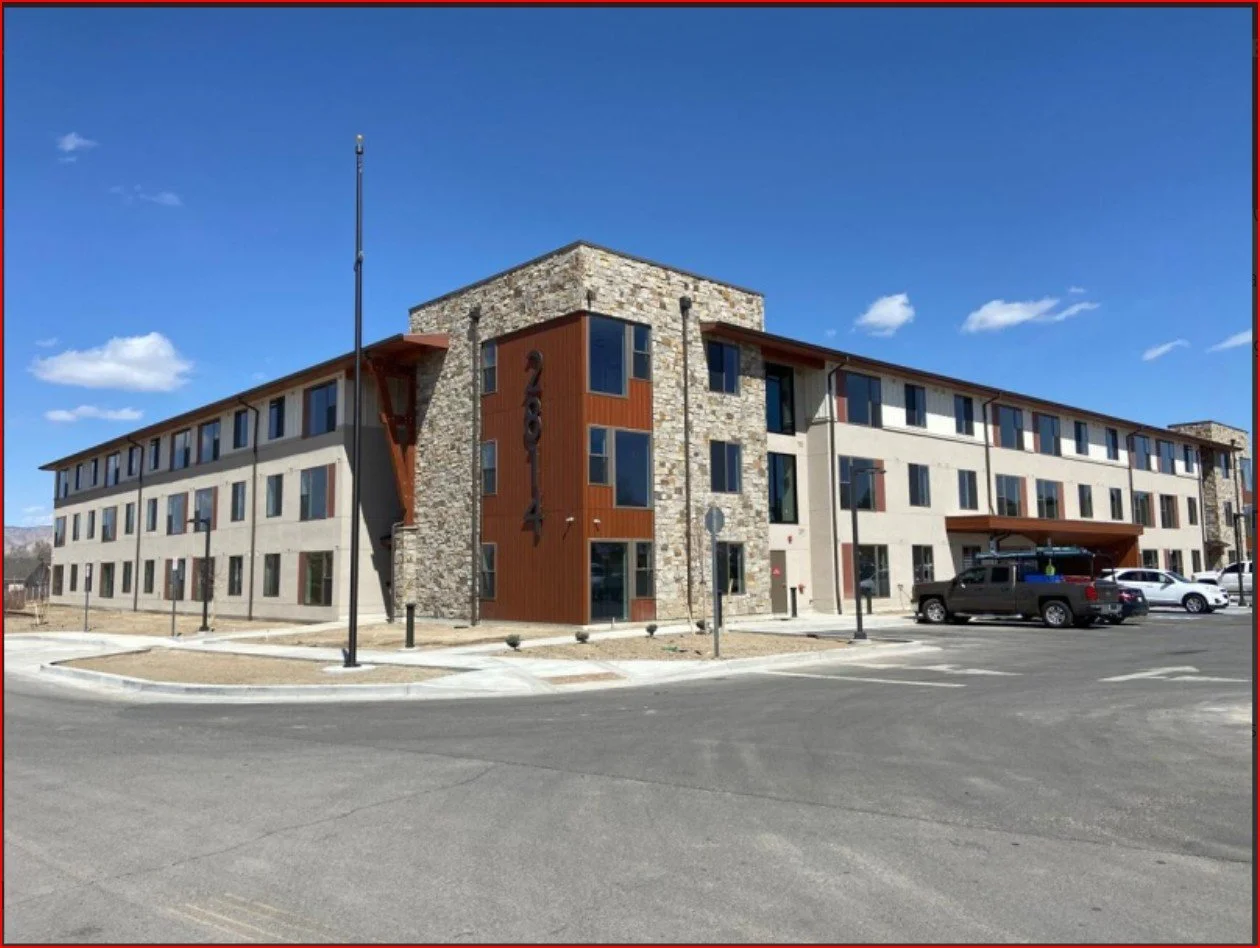
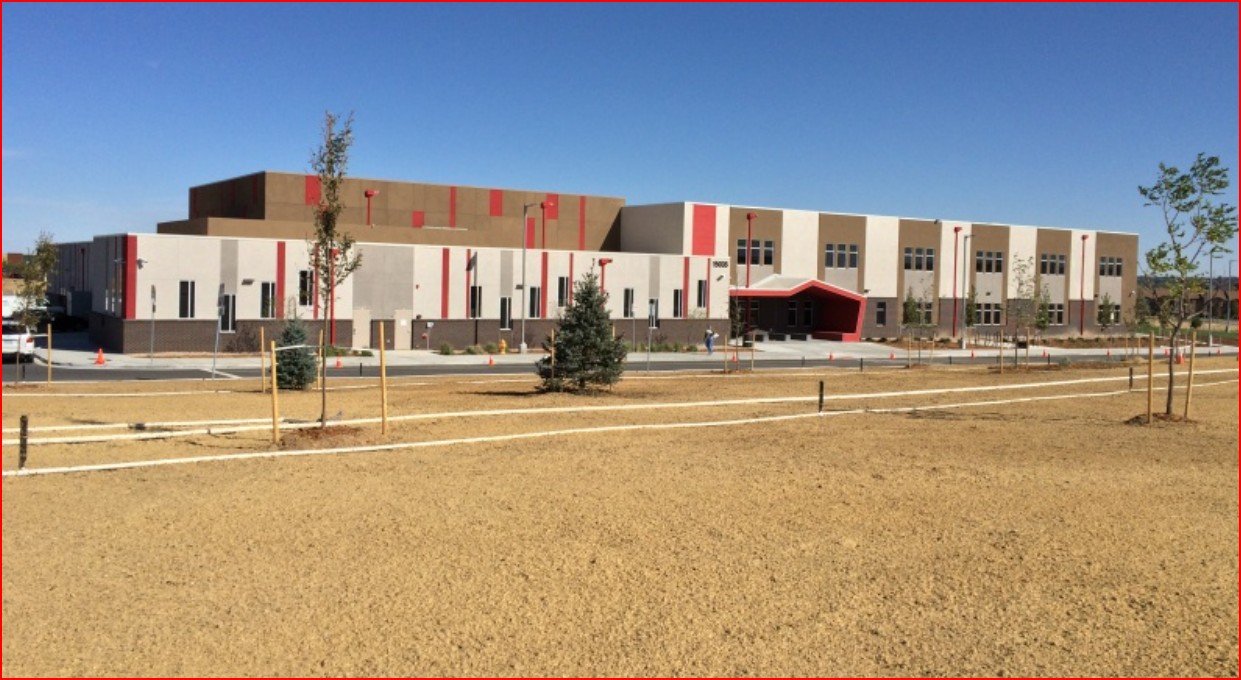
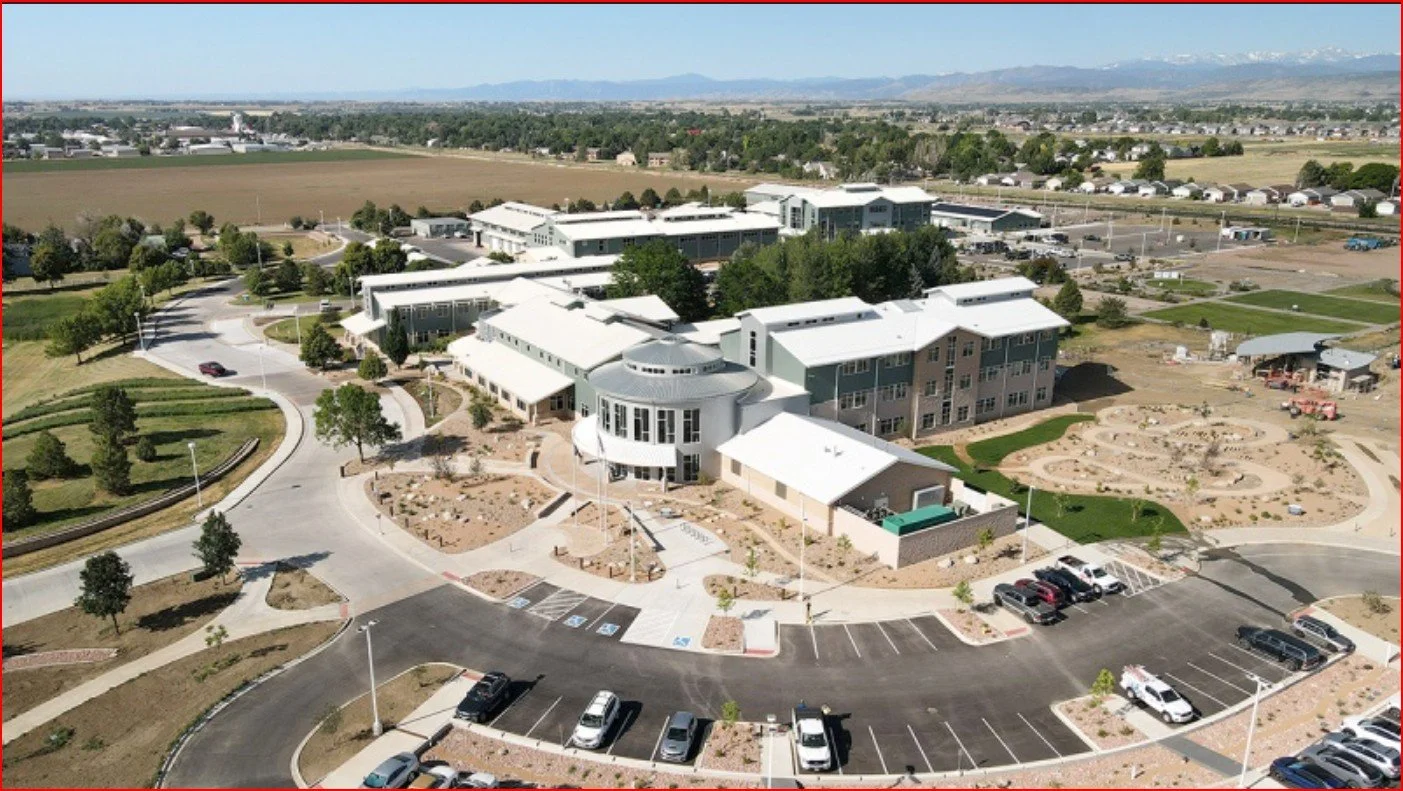
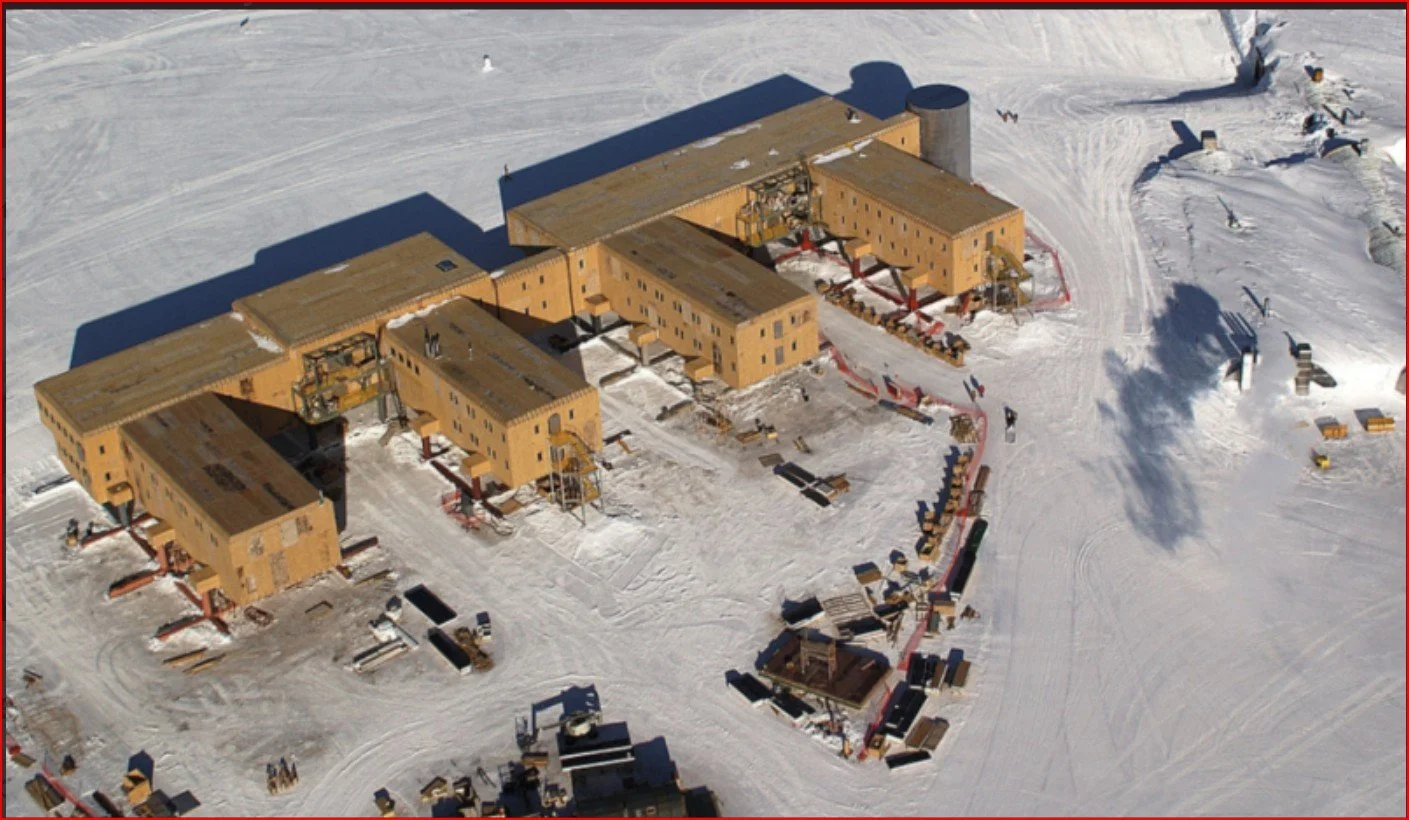
SIPs perform well across a wide range of building types, which is why they have expanded well beyond custom residential into commercial, institutional, and industrial applications.
Single-family homes, from custom to production building
Multifamily residential
Schools and educational facilities
Apartments
Hotels and motels
Commercial and light industrial buildings
Cold-storage facilities and warehouses
Timber-frame hybrid structures (SIP infill within a timber frame)
High-performance and net-zero certified homes
How SIPs Are Manufactured
The manufacturing process varies by plant, but the core steps are consistent across the industry. Foam cores are cut to size, OSB facings are prepared, structural adhesive is applied, and the assembly is pressed under controlled pressure until the bond cures. CNC equipment then cuts openings, chases, and panel profiles based on the project's shop drawings.
What happens inside a SIP plant -- the quality of the bond, the consistency of the adhesive application, the accuracy of the cut -- has a direct impact on how panels perform in the field and how they hold up over time. Joe Pasma, PE has worked inside SIP manufacturing plants across North America and understands where production systems succeed and where they break down. That plant-level experience is a meaningful part of what PGS Consulting LLC brings to manufacturing consulting engagements.
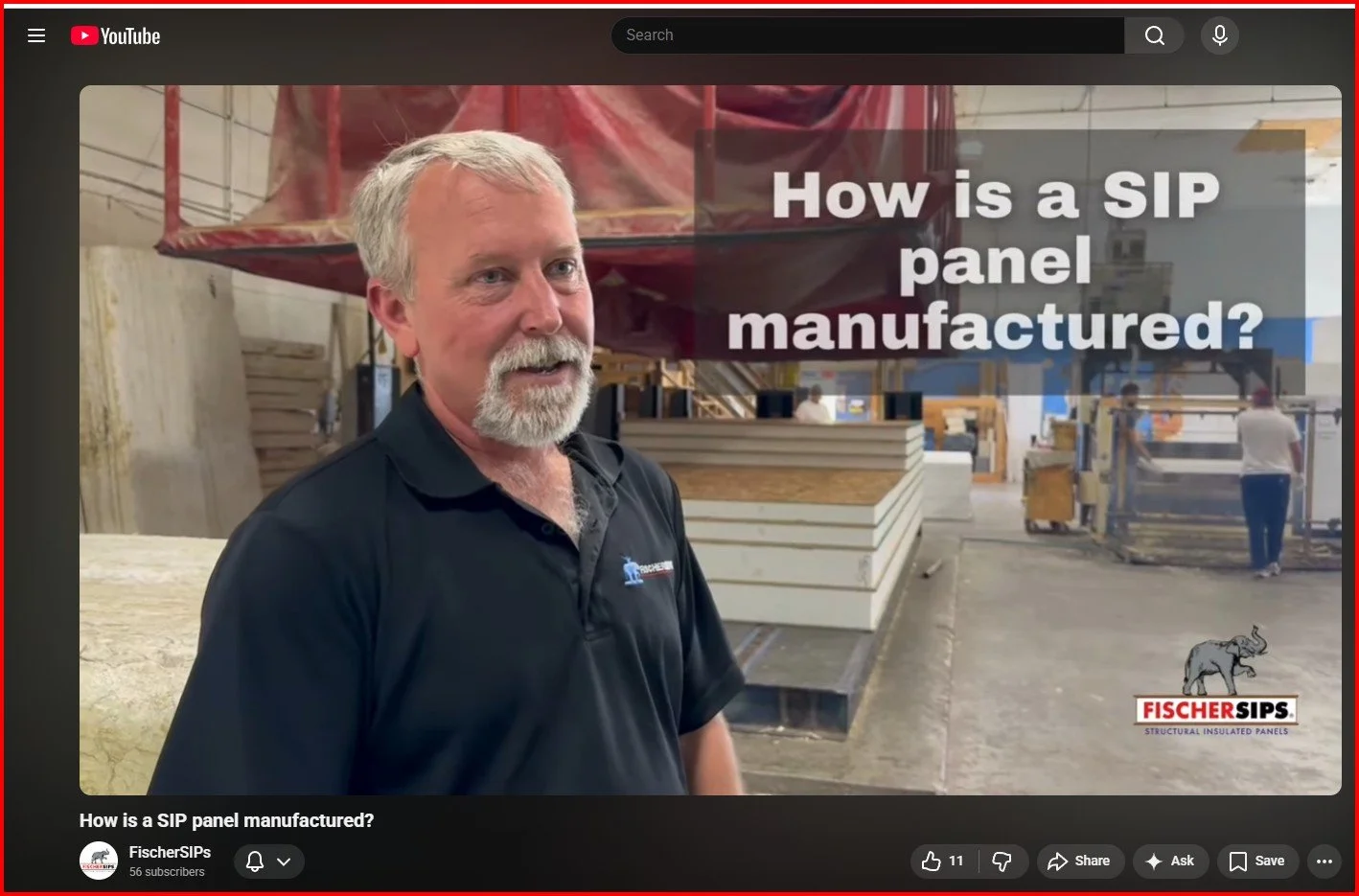
How SIPs are made - Vacuum Press
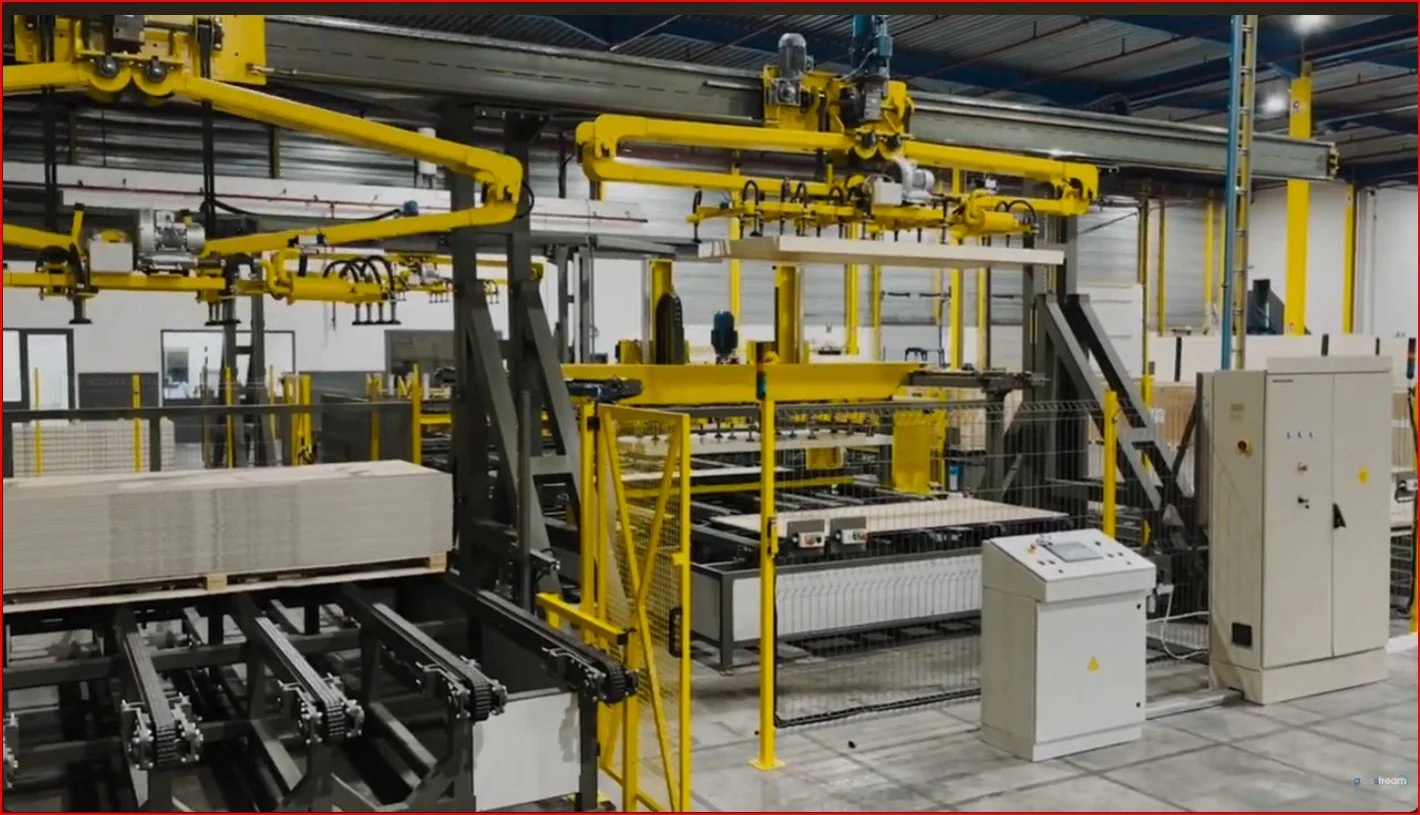
How SIPs are made - Automated Press
Considering SIPs for your next project? Joe Pasma, PE has spent 40+ years engineering, manufacturing, and field-reviewing SIP buildings across North America. He can help you choose the right core, thickness, and detailing for your climate and budget before your design is locked in.
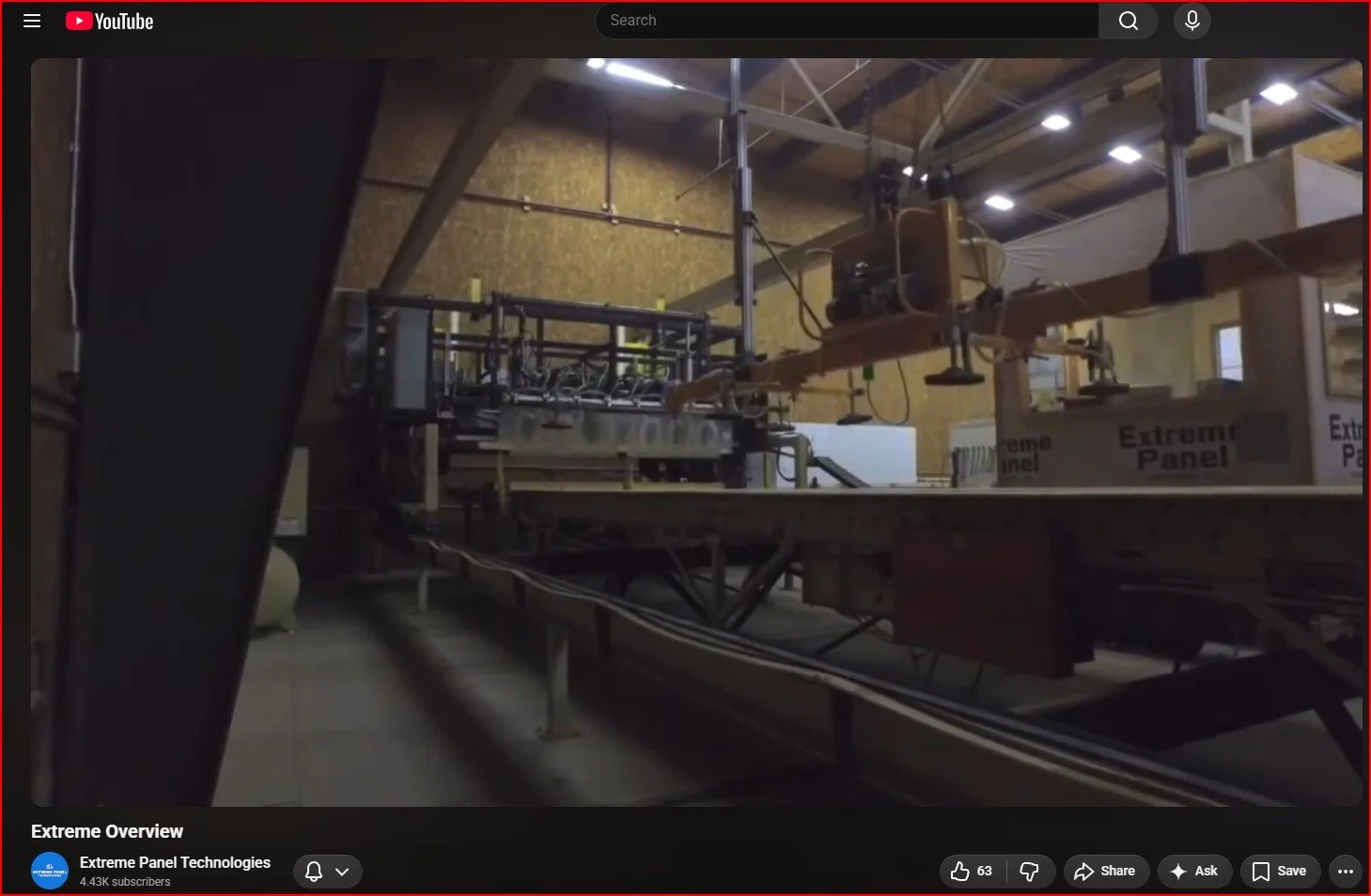
How SIPs are made - Automated Press (Time Code 2:10)
Are SIPs Code Compliant?
Yes. SIPs are recognized in both major U.S. model codes and carry third-party product evaluation reports for compliance verification.
IRC Section R610 -- International Residential Code prescriptive provisions for SIP walls
IBC-- International Building Code provisions for SIPs as an alternative material
ICC-ES, PFS TECO, CCMC, IAPMO UES, DrJ, Compliance Reports -- Third-party product evaluations used to demonstrate code compliance
Manufacturer-specific code reports -- Each manufacturer's panels are evaluated individually
Project Specific Engineering -- Structural engineers licensed in the state the project is being built provide project-specific engineering
Builders must follow the manufacturer's specific compliance report, any engineering requirements imposed by the structural engineer of record, and local jurisdiction amendments to the model codes. SIP code compliance is well-established, but it requires attention to which report applies to which product.
For a full breakdown of SIP code pathways, requirements by application, and how to navigate regional differences, see the SIP Building Codes and Compliance guide.
To understand SIP load charts, see SIP Span Tables Explained: How Far Can a SIP Roof or Wall Really Span?
Advantages of SIP Construction
When the system is designed and installed correctly, SIPs outperform traditional framing in most measurable categories.
Higher energy efficiency -- Continuous insulation with minimal thermal bridging
Lower air infiltration -- Tighter envelope than stick framing with equivalent sealing effort
Faster construction schedule -- Pre-cut panels reduce framing time from weeks to days
Structural strength -- Composite panel behavior provides high stiffness and load capacity
Predictable performance -- Consistent panel dimensions and properties, unlike dimensional lumber
Smaller HVAC systems -- Tighter, better-insulated buildings need less mechanical capacity
Cleaner job sites -- Less cut waste and fewer loose components
Ideal for net-zero and high-performance certification -- The envelope performance is a natural fit
Limitations and Design Considerations
SIPs have few true limitations, but they require early planning. These are not reasons to avoid SIPs. They are design-stage requirements that any experienced team handles as standard pre-construction items.
Limited on-site modification -- Panels are cut to spec at the factory. Field changes are possible but disruptive and costly
Electrical planning must happen early -- Chases for wiring are typically CNC-cut at the plant, not added on-site
Moisture management is required -- OSB facings can be damaged by prolonged exposure. Proper flashing and detailing is essential
Trained installers preferred -- SIP installation follows specific sequencing and connection requirements that differ from conventional framing
Lifting equipment access may be needed -- Large roof panels often require mechanical lifting
For a deeper dive into to SIP Design and Code Compliance, see the Blog section SIP Design and Code Compliance →
Frequently Asked Questions About Structural Insulated Panels
What are structural insulated panels?
Structural Insulated Panels (SIPs) are prefabricated building components made of two structural facings -- typically OSB -- bonded to a rigid foam insulation core. The bonded assembly acts as a single composite unit that provides both structural capacity and continuous insulation in one panel. SIPs are used for walls, roofs, and floors in residential and commercial construction.
How long do SIPs last?
SIPs can last as long as any conventionally framed building when properly designed and installed. The foam cores are chemically stable and do not degrade under normal conditions. Longevity depends primarily on moisture management -- OSB facings exposed to sustained moisture can deteriorate, just as wood-based materials in any building system can deteriorate. Proper flashing, air barriers, and vapor management are the keys to long-term performance.
Are SIPs more expensive than stick framing?
SIP panels typically cost more than lumber and batt insulation for the same square footage. However, SIPs reduce labor hours, air sealing work, HVAC equipment sizing, and long-term energy costs. When evaluated over a 30-year period, the total cost of ownership for a SIP building is frequently lower than a comparable stick-framed building. The upfront premium is real; whether it pays back depends on energy costs, labor markets, and project design.
What R-value do SIPs have?
SIP R-values range from approximately R-14 (4.5-inch EPS) to over R-60 (12.25-inch GPS), depending on panel thickness and core type. EPS panels run R-3.6 to R-4.5 per inch, GPS runs R-4.7 to R-5.1 per inch, and PUR/PIR panels start at R-6.0 to R-7.2 per inch but experience thermal drift over time, settling to R-5.0 to R-6.5 per inch long-term. EPS and GPS do not experience this drift.
Are SIPs code-compliant?
Yes. SIPs are recognized in the International Residential Code (IRC Section R610) and the International Building Code (under its Alternative Materials provisions), and they carry manufacturer-specific evaluation reports for third-party compliance verification. Builders use the specific evaluation report for the panels they are installing and follow any local code amendments. SIP code compliance is well-established across North America.
What types of buildings can use SIPs?
SIPs can be used in a wide range of building types: single-family homes, multifamily residential, schools, commercial buildings, industrial facilities, cold storage, and timber-frame hybrid structures. The panel system is not limited to any particular use type -- the engineering, thickness, and connection design are adjusted to match the structural and thermal requirements of each application.
Do SIPs require special installation?
SIP installation follows specific sequencing and connection requirements that differ from conventional stick framing, but the process is well-documented and straightforward for builders who prepare in advance. The most important factors are pre-planning electrical chases, ensuring air-barrier continuity at panel joints, following the manufacturer's installation guide, and using installers familiar with the sequencing. SIPs are not difficult to install correctly -- they do require that "correctly" is defined before work begins.
What do building scientists think about SIPs?
Joseph Lstiburek of Building Science Corporation describes SIPs from his perspective as a building scientist in the book he authored, “Builder’s Guide to Structural Insulated Panels (SIPs) for All Climates”. A 15-slide summary presentation by Alex Lukachko, M.Arch of Building Science Corporation of the 330-page book can be reviewed highlighting the Top Ten Reasons Building Scientists Like SIPs and the Top Ten Things Building Scientists Worry About With SIPs on pages 10-14 of the summary presentation pdf.
Go Deeper: From the SIP Blog
Engineer-authored articles by Joe Pasma, PE, organized by what you're trying to figure out.
SIP Fundamentals and Building Science
How SIPs work, how they perform, and how they compare to stick framing.
Read More →SIP Cost and Budgeting
What SIPs actually cost and how to evaluate a quote.
Read More →SIP Design and Code Compliance
Code requirements and design decisions for architects and engineers.
Read More →SIP Manufacturing and Manufacturer Selection
How SIPs are made and how to evaluate a manufacturer.
Read More →SIP Installation and Construction
Field guidance for GCs, framers, and subcontractors.
Read More →SIP Failures and Forensic Analysis
Independent analysis of SIP failures, moisture, fire performance, and forensic case work.
Read More →Consulting Insights
How PGS Consulting works and how independent SIP consulting engagements run.
Read More →Explore the SIP Resources Library
This page is part of the PGS Consulting LLC SIP Resources hub -- an independent, engineer-authored library covering major aspects of SIP construction.
SIPs vs. Stick Framing
A detailed comparison of SIP and stick framing across cost, performance, speed, and long-term value.
Read More →SIP Cost Guide
What SIPs actually cost, how to compare them to alternatives, and what the 30-year ownership picture looks like.
Read More →SIP R-Value and Energy Performance
How SIP insulation values are measured, what real-world thermal performance looks like, and how SIPs compare to code minimums.
Read More →SIP Building Codes and Compliance
Code pathways, IRC and IBC provisions, evaluation reports, and what engineers and AHJs need to know.
Read More →SIP Installation Guide
Installation sequencing, connection details, common errors, and what proper field execution requires.
Read More →SIP Problems and Failures
The most common SIP failures, why they happen, and what forensic analysis reveals about root cause.
Read More →SIP Manufacturers
An independent review of the SIP manufacturing landscape: who makes them and what to evaluate before buying.
Read More →SIP FAQ
Answers to the most common questions about SIP construction, costs, performance, and code compliance.
Read More →About the Author
Joe Pasma, PE is a licensed professional engineer with more than 40 years of experience in SIP structural engineering, manufacturing operations, installation oversight, and forensic analysis. He has worked inside SIP plants across North America, reviewed hundreds of SIP projects from design through construction, and provided expert witness analysis in SIP-related litigation. PGS Consulting LLC provides independent SIP consulting, not tied to any manufacturer.
Learn About Our Consulting Services →