
By Joe Pasma, P.E. | PGS Consulting LLC | SIP Engineering & Consulting | Published November 9, 2026
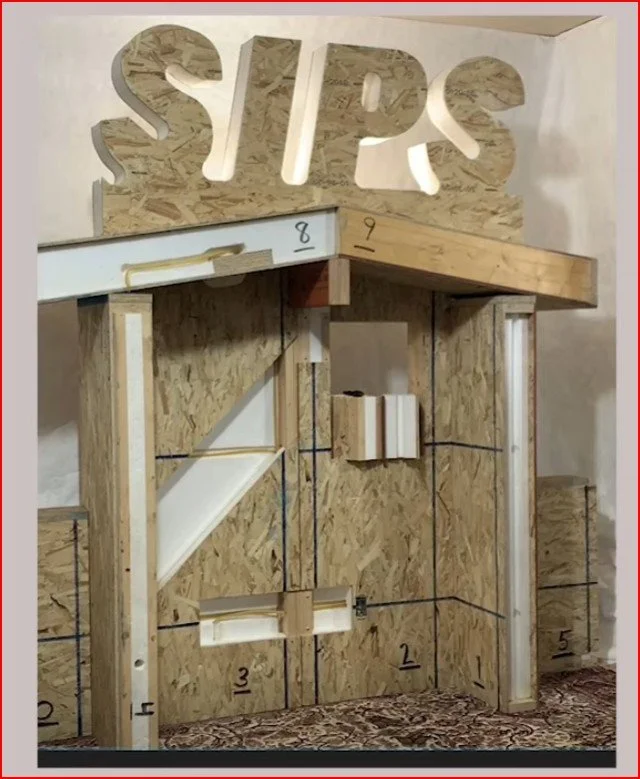
Ask anyone who lives in a Structural Insulated Panel (SIP) home what surprised them most, and you'll often hear the same thing: it's quiet. Traffic fades. Wind stops whistling. The house just feels calmer.
So it's natural to ask whether SIPs are good for soundproofing. The short answer: yes, SIP buildings usually feel quieter than stick-framed buildings, mostly because they're so airtight. But how well a SIP wall actually blocks sound depends on the whole wall assembly (the drywall, insulation, clips, and sealing), not just the panel.
That second part is where a lot of people get tripped up. Here's what the lab testing shows, and what to ask for if quiet matters on your project.
Key Takeaways
SIP homes often feel quieter than conventional homes, mainly because SIPs seal out the air leaks that sound sneaks through.
Sound blocking is measured with an STC (Sound Transmission Class) rating. Higher is quieter. Multifamily walls between units generally need STC 50 under the International Building Code.
A basic SIP wall on its own is not a high-STC wall. Lab tests of simple residential SIP walls landed roughly in the STC 22 to 33 range.
Add the right layers (extra drywall, insulation, and isolation clips) and tested SIP assemblies reach STC 48 to 59, well past the multifamily code minimum.
Deep bass, like subwoofers or truck rumble, is hard for every building system. SIPs included.
The best move: set a sound target early and build a tested assembly, not a guess.
Why SIP Homes Often Feel So Quiet
Most of the quiet comes down to three things SIPs do well.
1. They're extremely airtight
Here's something most people never think about: air leaks and sound leaks travel through the same gaps. A stick-framed wall has hundreds of joints, seams, and little openings. Air slips through them, and so does noise. SIPs go up in large, solid sections with far fewer seams, so there are far fewer paths for outside noise to get in.
2. The insulation is continuous
In a framed wall, insulation is broken up by a wood stud every 16 inches. In a SIP, the foam core runs across the whole panel. That gives you a more uniform wall with fewer weak spots.
3. They're built in a factory
Because panels are made in a controlled setting, the quality is more consistent than lumber cut and nailed on site. Fewer sloppy gaps means fewer surprise noise leaks.
Airtightness and STC are not the same thing. Sealing air leaks cuts down the noise you notice day to day, like wind and traffic. But a wall's STC rating is measured in a lab and depends on how heavy and how separated its layers are. That's why a SIP home can feel very quiet while a single SIP wall still tests at a modest STC number. Both things are true at once.
Is Anything Truly "Soundproof"?
Not really. Even thick concrete walls let some sound through under the right conditions. Sound finds its way in through air leaks, framing, outlets and pipes, ductwork, floors, roofs, and especially windows and doors.
So the better question isn't "is it soundproof?" It's "how much sound does this wall stop?" That's what an STC rating tells you.
What an STC Rating Means
STC stands for Sound Transmission Class. It's a lab test that measures how well a wall, floor, or ceiling blocks airborne sound like voices, TV, and music. The higher the number, the less you hear on the other side.
← Swipe to view full table →
| STC Rating | What You'd Hear Through the Wall |
|---|---|
| 25 | Normal conversation, clearly understood |
| 30 | Loud speech, understood |
| 35 | Loud speech heard, but you can't make out the words |
| 40 | Loud speech heard only as a murmur |
| 45 | Loud speech mostly not heard |
| 50 | Loud music or a stereo heard faintly (the multifamily code minimum) |
| 60+ | Most everyday sounds not heard at all |
For apartments, condos, hotels, dorms, and senior living, the International Building Code requires walls and floors between units to reach STC 50 in lab testing (or 45 if tested in the finished building). For a single-family home, there's usually no code requirement for interior walls at all. A typical framed interior wall with one layer of drywall on each side lands somewhere in the low-to-mid 30s.
Want the bigger code picture for SIPs? See our SIP Building Codes and Compliance guide.
The Biggest Myth: "SIPs Are Solid, So They Must Be Soundproof"
It sounds logical. A SIP is a solid foam core sandwiched between two structural skins, so it should block a lot of sound, right?
The lab data says otherwise. The panel is only one piece of the puzzle. What really drives the number is everything around it:
How thick the drywall is, and how many layers there are
Whether there's insulation in a cavity next to the panel
Whether the drywall is attached with sound isolation clips or channels
How well outlets, pipes, and other openings are sealed
The windows and doors in the wall
How carefully it was all installed
Put simply: a SIP wall isn't automatically a high-STC wall, but a well-designed SIP wall can be.
What the Lab Testing Actually Shows
The good news is that this isn't guesswork. SIP wall assemblies have been put through standardized lab testing (ASTM E90), and the results show just how much the details matter.
← Swipe to view full table →
| SIP Wall Type | What's In It | Tested STC |
|---|---|---|
| Basic residential | SIP with standard interior and exterior finishes | About 22 to 33 |
| Enhanced residential | Added drywall layers, insulation, and improved layout | 39, 41, and 51 |
| Multifamily, single drywall layer | SIP, isolation clips, fiberglass batts, one layer of drywall each side | 48 and 52 |
| Multifamily, double drywall layer | Same as above with two layers of drywall each side | 58 and 59 |
Look at the spread: from the low 20s all the way to 59, and every one of those walls is a SIP wall. Some of the multifamily assemblies also carry a one-hour fire-resistance rating, which matters a lot in buildings where units share walls. (Curious how SIPs handle fire? Read SIP Fire Myths: What's True and What's Not.)
The lesson is simple. The assembly decides the outcome, not the panel.
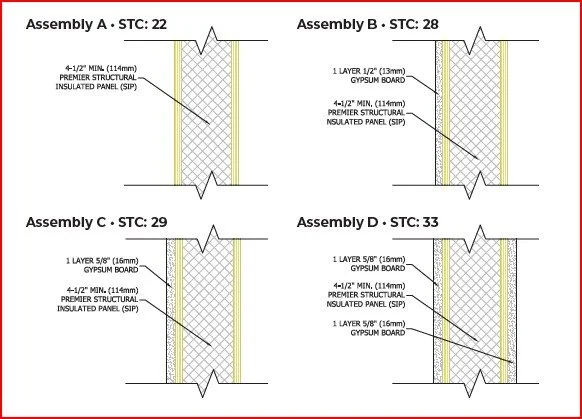
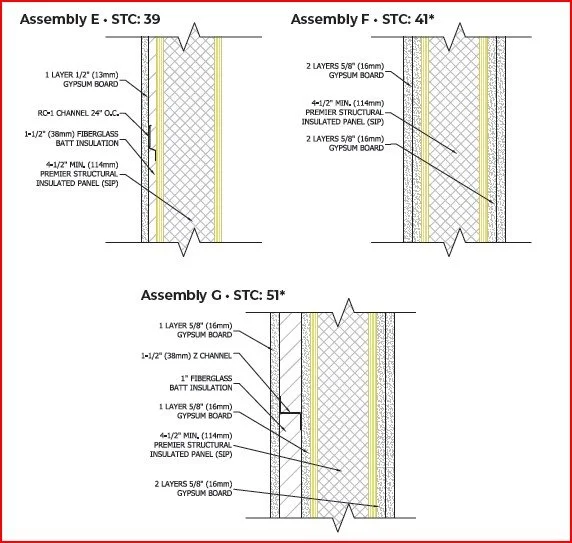
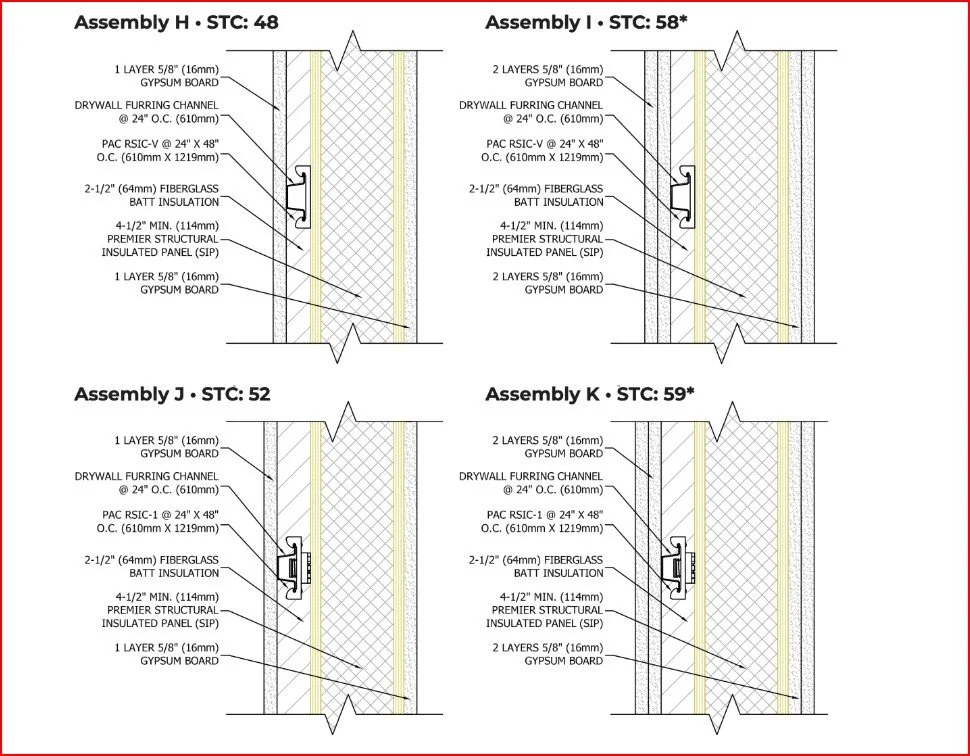
When we first tested SIP walls for sound, the bare panel numbers surprised a lot of people. The panel gives you a great airtight starting point, but it isn't the whole answer. Once we added the clips, the batts, and the right drywall, the same panel cleared the multifamily code requirement with room to spare. If a project has a sound target, design the wall to hit it from day one. Don't hope the panels will get you there on their own.
-- Joe Pasma, PEThe Four Things That Make a SIP Wall Quiet
Sound experts work with a short list of tools. SIPs already give you a head start on one of them. The quietest assemblies use all four.
1. Mass (weight)
Heavier walls block more sound. Adding a second layer of drywall is one of the easiest ways to add mass, and it's why the highest-scoring SIP walls use two layers on each side.
2. Decoupling (separating the layers)
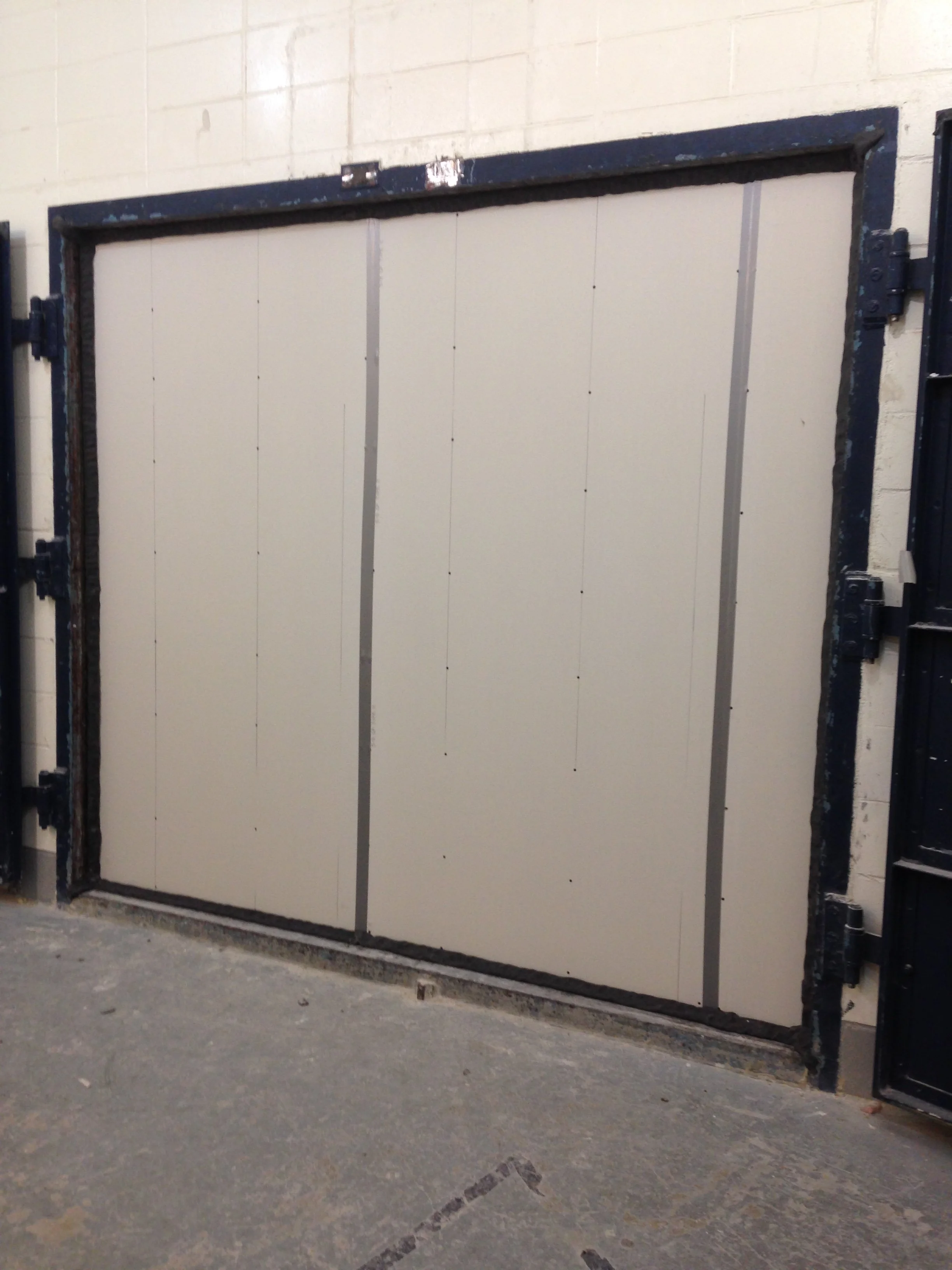
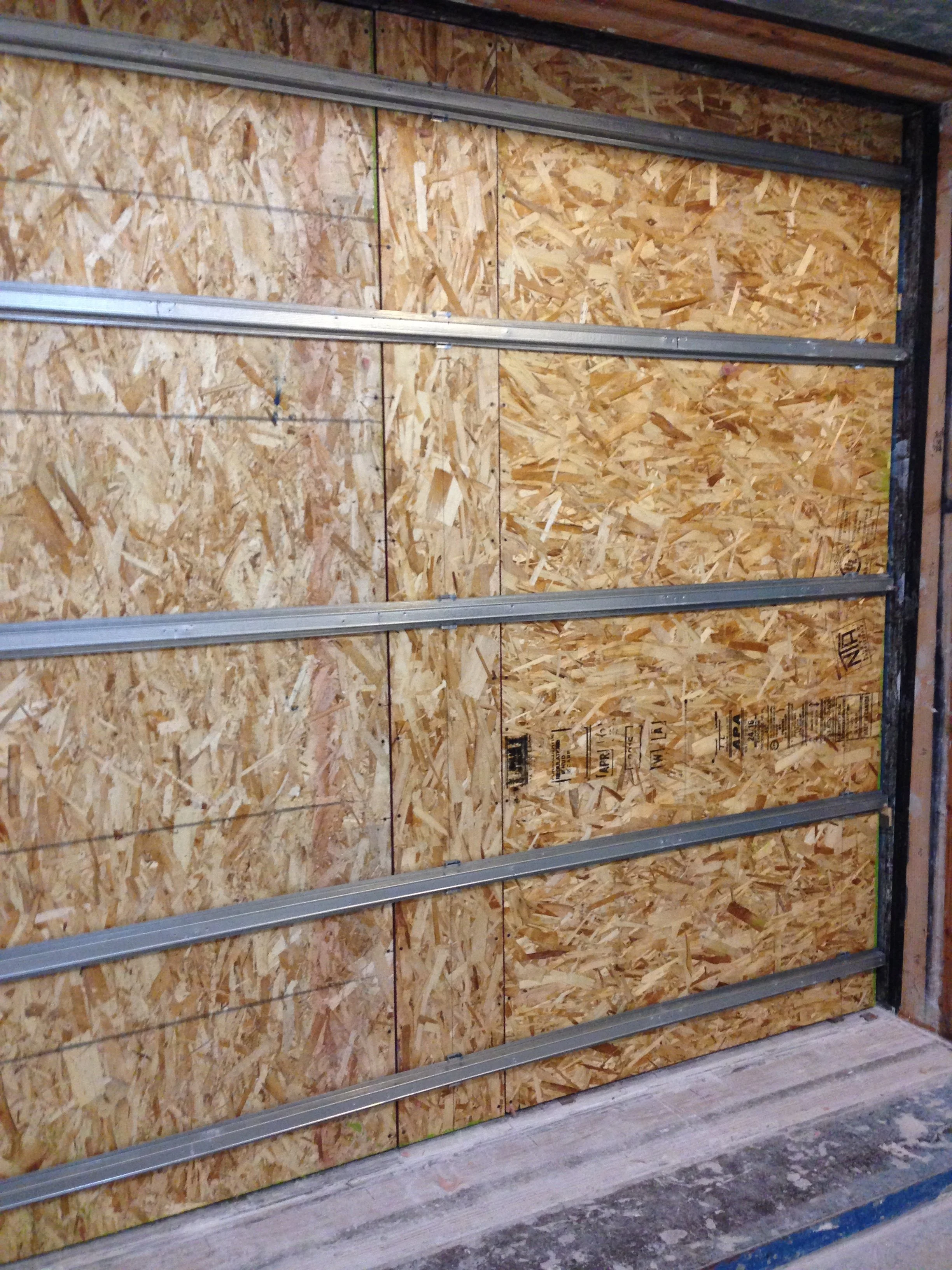
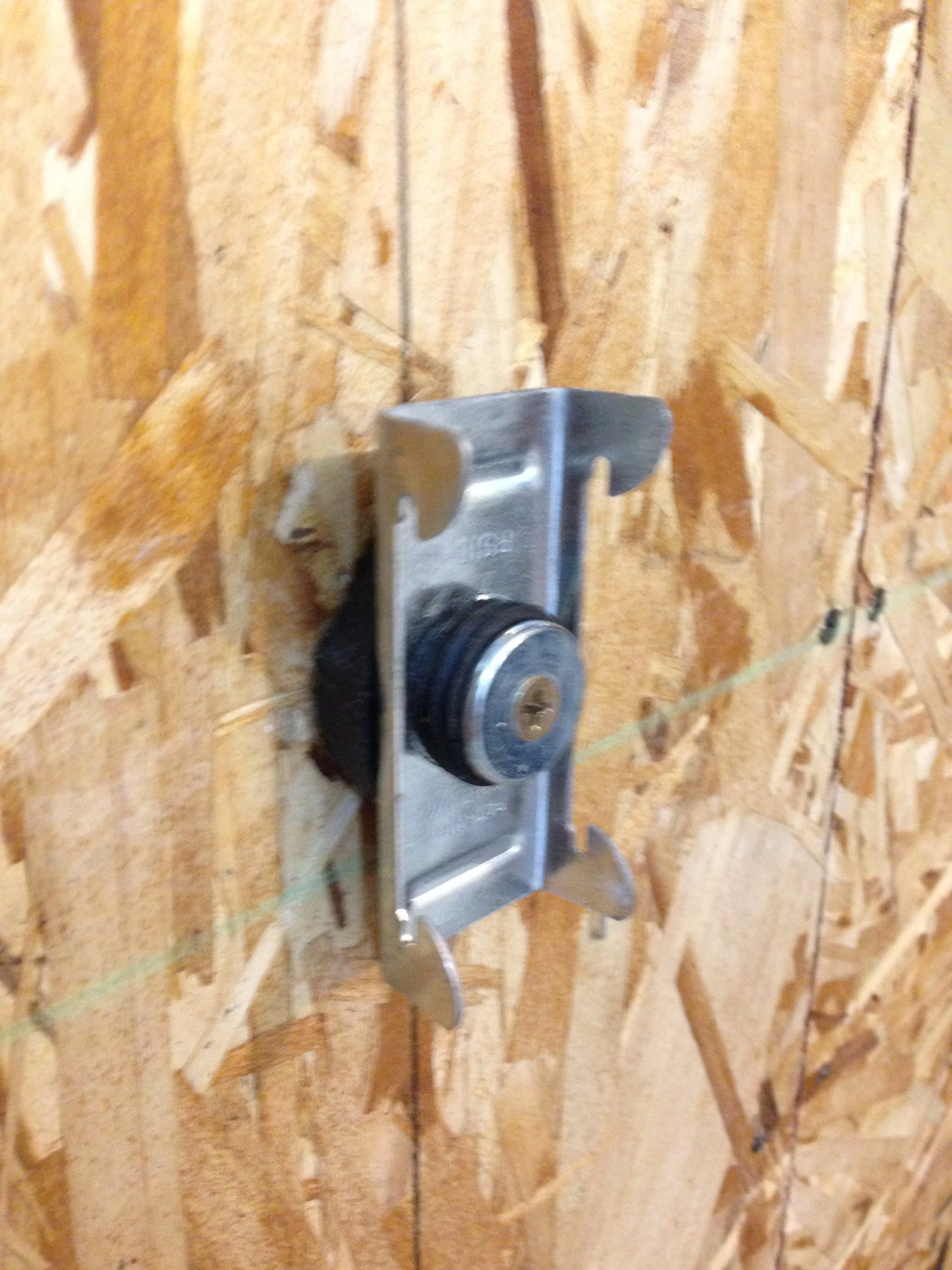
When drywall is screwed straight to a wall, sound vibrations pass right through. Isolation clips hold the drywall slightly away from the panel so it can't shake the whole wall. In testing, adding clips made one of the biggest jumps in performance.
3. Insulation in the cavity
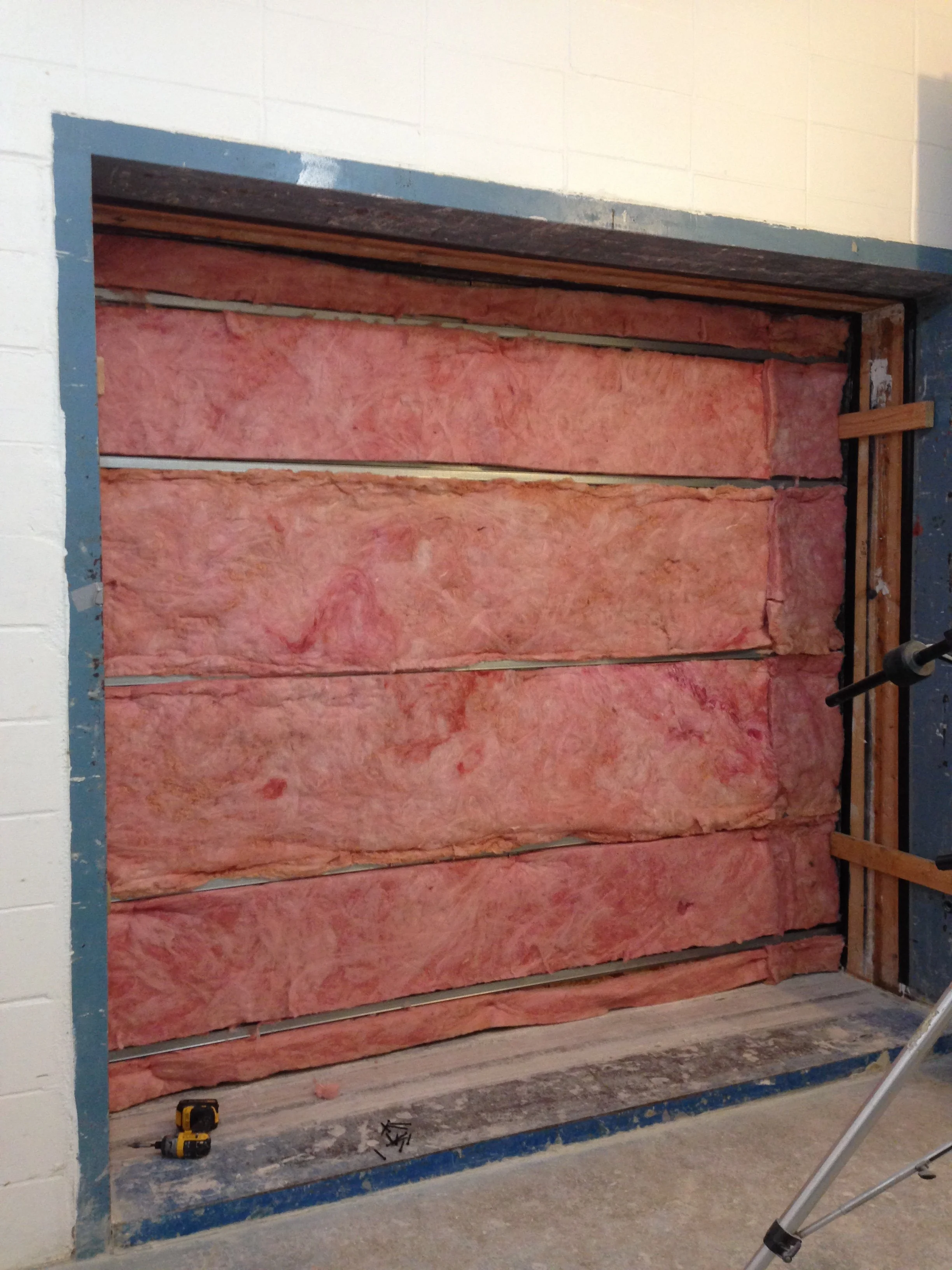
The clips create a small gap between the SIP and the drywall. Filling that gap with fiberglass batts soaks up sound energy before it reaches the other side.
4. Sealing every opening
Outlets, switch boxes, pipes, ducts, windows, and doors are all holes in your sound barrier. A wall that tests at STC 55 in the lab can perform far worse in real life if those openings aren't sealed. (Planning where your wiring and plumbing go? See Are SIPs Hard to Wire or Plumb?)
SIPs in Apartments, Hotels, and Senior Living
This is where sound control stops being a nice extra and becomes a must-have. Noise complaints are one of the most common problems in shared-wall buildings. And these projects have to juggle a lot at once: privacy, fire safety, energy codes, construction speed, and budget.
Tested SIP assemblies check several of those boxes in one wall system:
Energy efficiency from continuous insulation and an airtight envelope
Sound ratings that meet or beat the STC 50 code minimum
One-hour fire ratings in certain configurations
Faster framing, since large panels go up quickly
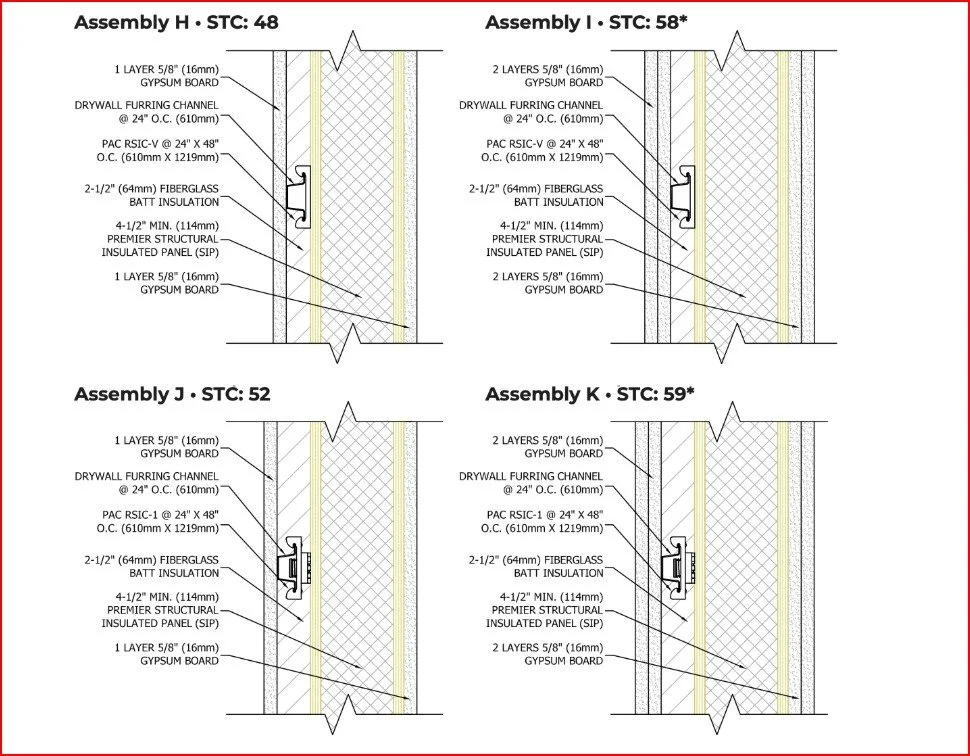
SIP Tested Wall Assemblies with STC ratings above 48
Building to rent or hold long term? Our SIPs for Rental Housing developer's guide walks through the bigger picture.
Planning a SIP home, ADU, or multifamily project where quiet really matters? Talk to Joe Pasma, PE: he can review your wall assemblies and tell you which tested details will actually hit your sound target.
The One Thing No Wall Fully Stops: Deep Bass
Even the best walls struggle with low, rumbling sounds like:
Home theater subwoofers
Heavy trucks
Aircraft rumble
Vibrating mechanical equipment
Low sounds behave differently than voices. They carry through the structure itself, not just the air. This is true for SIPs, stick framing, and pretty much every other system. If bass control is important (say, a home theater or a unit next to a mechanical room), plan for extra mass, isolation, and specialized acoustic details from the start.
SIPs vs. Stick Framing for Noise Control
A fair comparison looks at complete walls, not marketing claims. SIPs bring real advantages to the table:
Much better airtightness, so fewer sound leaks
Continuous insulation with fewer weak spots
Consistent factory quality
Proven, tested high-STC assemblies
But the details still decide the result, especially at interior walls, floors, roofs, mechanical systems, penetrations, and windows and doors. A carelessly detailed SIP building can be noisier than a carefully designed framed one. A well-detailed SIP building can be very quiet indeed. For a full side-by-side, see SIPs vs. Stick Framing.
How to Get a Quieter SIP Building
If you're designing it
Set a target STC rating early, before walls are drawn.
Specify tested assemblies, not estimates.
Plan mechanical systems and ductwork with noise in mind.
Keep penetrations in shared walls to a minimum.
If you're building it
Seal every panel joint the way the manufacturer specifies.
Follow the tested assembly exactly. Swapping parts can drop the rating.
Pay close attention to outlets, pipes, and transitions.
Our SIP Installation Guide covers sealing and joint details in more depth.
If you're the owner
Remember that walls are only part of the picture. Windows and doors matter a lot.
Ask for tested assembly data, not just "SIPs are quiet."
Set realistic expectations for deep bass.
The Bottom Line
SIPs give you an airtight, solid starting point, and that's a big reason SIP homes feel so peaceful. But the panel alone doesn't earn a high sound rating. The full assembly does.
Pair SIPs with the right drywall, insulation, isolation clips, and careful sealing, and you can build anything from a quiet custom home or ADU to apartments, hotels, and senior living that meet code with room to spare. So the real question isn't "are SIPs quiet?" It's "was this wall designed to be quiet?"
FAQ: SIPs and Soundproofing
Are SIP homes quieter than regular homes?
Many SIP owners say yes. The main reason is airtightness: SIPs have far fewer gaps for outside noise to slip through. Measured sound blocking between rooms, though, depends on the full wall assembly.
Do SIPs block traffic noise?
They help a lot, especially because they stop air leaks. For the best results near busy roads, pair SIP walls with well-rated windows and doors and seal every opening carefully. Windows are usually the weakest link.
What STC rating does a SIP wall have?
It depends on the assembly. In lab tests, basic residential SIP walls landed around STC 22 to 33, enhanced residential walls reached 39 to 51, and multifamily assemblies with isolation clips reached 48 to 59.
What is a good STC rating for a house?
Single-family homes usually have no code requirement for interior walls, and a typical framed interior wall sits in the low-to-mid 30s. If privacy matters for a bedroom, office, or media room, aiming for the mid-40s or higher means loud talking mostly won't come through.
Are SIPs good for apartments and hotels?
Yes. Tested SIP assemblies have reached STC 58 and 59, well above the STC 50 the International Building Code requires between units, and some configurations also carry a one-hour fire rating.
Does thicker foam make a SIP wall more soundproof?
Not by itself. Mass, separating the drywall from the panel, cavity insulation when the drywall is seperated from the SIP panel, and sealing usually make a much bigger difference than a thicker core.
Can SIPs stop bass from a subwoofer?
Not completely. Deep, low sounds are hard for every type of construction. Controlling them takes deliberate acoustic design such as extra mass and isolated assemblies.
Go Deeper
A few places to keep learning, whether you're planning a quiet home or a multifamily project:
Want a SIP Building That's Quiet by Design?
PGS Consulting LLC helps owners, designers, and builders choose and detail tested SIP wall assemblies that hit real sound, fire, and energy targets, backed by 40+ years of SIP engineering, manufacturing, and testing experience.
Talk to Joe Pasma, PE