

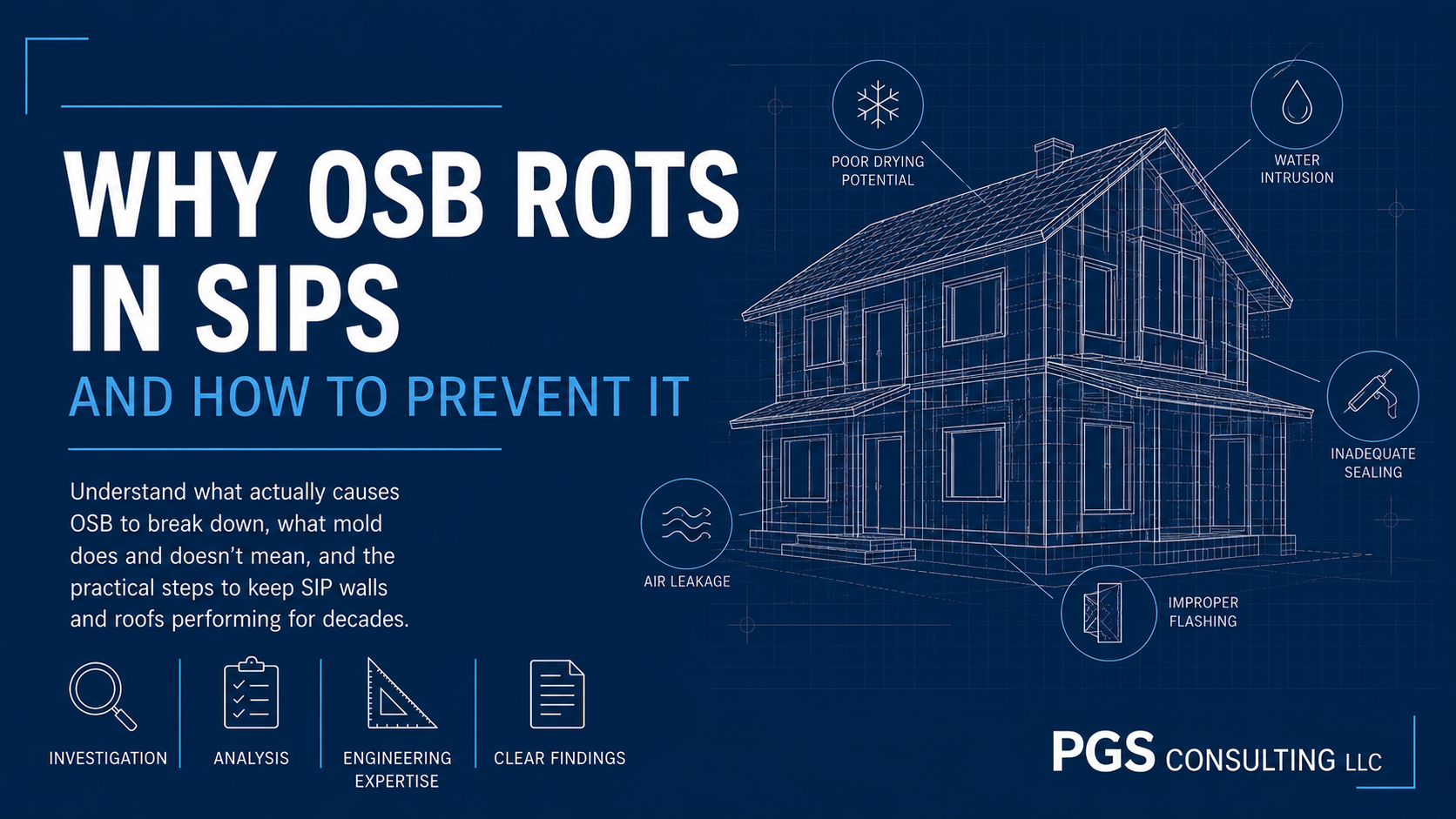
Why OSB Rots in SIPs And How to Prevent It
If you've ever seen a stained or swollen OSB panel and wondered whether your SIP is failing, here's the short answer: it's not the panel, it's the moisture. I walk through what actually causes OSB rot, how to tell mold from rot before you panic, and the four controls that keep it from happening in the first place.
By Joe Pasma, PE | PGS Consulting LLC | SIP Engineering & Consulting | Published July 14, 2026
If you work with Structural Insulated Panels (SIPs) long enough, you'll eventually hear the same worried question: "Do SIPs rot?"
It's a fair question. When the OSB (oriented strand board) skin on a SIP shows a dark stain, some swelling, or a patch of mold, it's easy to assume the panel itself has failed.
Here's the short answer, based on every forensic investigation I've led across manufacturers, climates, and building types: OSB rot is not a SIP problem. It's a moisture problem. And moisture problems are solvable, with the right systems, training, and follow-through.
This guide walks through what actually causes OSB to break down, what mold does and doesn't mean, and the practical steps builders, designers, and homeowners can take to keep SIP walls and roofs performing the way they're designed to for decades. My goal isn't to point fingers. It's to give you the same clarity I'd want if it were my own project.
Key Takeaways
OSB rot happens when water or damp air reaches the wood and can't dry out over time. It is not something unique to SIPs.
SIPs are high-performing, tightly built assemblies. That means moisture problems show up sooner than they would in a traditional wall, which is a feature, not a flaw.
Mold and rot are not the same thing. Mold is a surface issue that can be cleaned. Rot is permanent structural decay that requires replacement.
Nearly every OSB moisture issue traces back to one of four things: liquid water, air leaks, humid indoor air, or a cold condensing surface.
A simple checklist covering design, construction, and homeownership prevents the vast majority of moisture problems in SIP buildings.
1. What OSB Rot Really Is (and What It Isn't)
OSB doesn't fail on its own. It breaks down when liquid water, or air carrying moisture condenses, reaches the wood and stays there long enough that it can't dry out.
There are really only three ways that happens:
Bulk water intrusion. A roof leak, a window leak, a gap in the weather-resistive barrier (WRB), or missing flashing lets rainwater in directly.
Air leakage carrying moisture. Warm, humid air escapes through a gap, hits a cold surface, and condenses into liquid water wetting the OSB, the same way a cold glass of water "sweats" on a summer day.
Vapor drive. In cold climates, high humidity inside the home pushes moisture toward the colder roof or wall skin, where it can condense.
None of these three causes are unique to SIPs. What makes SIPs different is that they're a high-performance, tightly sealed assembly with fewer places for moisture to hide or escape. That's a strength, but it means the details matter. SIPs reward precision. They don't require perfection, just intentional, careful work.
2. How OSB Behaves When It Gets Wet
Understanding how OSB responds to moisture helps everyone, from builders to homeowners, make sense of what they're looking at.
OSB absorbs water unevenly. The cut edges soak up moisture faster than the flat faces.
Mold can start once moisture content climbs above roughly 19-20%. Below that level, there isn't enough available water for mold to grow.
Staying wet for a long time weakens the wood's internal bond, reducing the panel's strength over time.
Repeated wetting and drying cycles cause permanent swelling. A panel that "dried out" isn't automatically back to normal. It's worth checking, not just assuming.
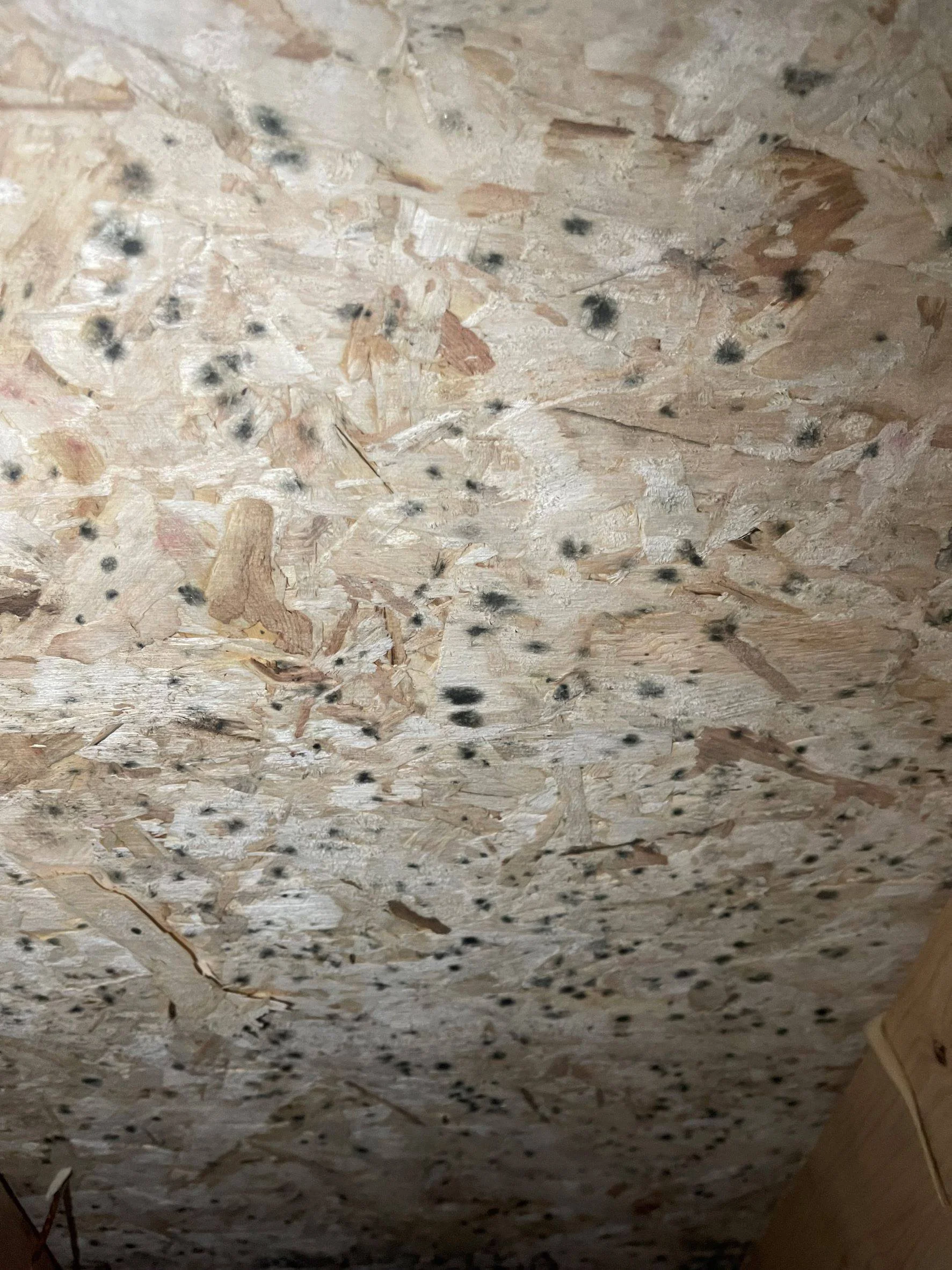
Mold vs. Rot
Knowing the distinction between mold and rot prevents a lot of unnecessary panic on a job site or during a home inspection.
← Swipe to view full table →
| Category | Mold | Rot |
|---|---|---|
| What it is | Surface-level biological growth | Structural decay of the wood itself |
| Can it be fixed? | Yes, it's cleanable | No, the material must be replaced |
| Does it mean the panel failed? | Not on its own | Yes |
3. Why SIPs Show Moisture Problems Sooner (and Why That's a Good Thing)
SIPs aren't fragile. They're direct. Because a SIP wall or roof doesn't have a vented cavity hiding behind the insulation, there's nowhere for a moisture problem to quietly sit for years unnoticed. When something's off, it tends to show up sooner rather than later.
That's not a defect. It's useful feedback, and it's part of why SIPs outperform stick framing on energy efficiency and long-term durability when they're built correctly.
SIPs depend on three things working together: continuous bonding between the OSB skin and the foam core, airtight joints between panels, and proper sealing at splines, ridges, and penetrations through the panel. When those three things are done well, SIPs are one of the most durable enclosure systems available. When a step gets skipped or rushed, moisture will find the gap. It always does.
In 40+ years investigating SIP performance, I have never found a case of OSB rot that couldn't be traced back to one of four things: water, air, vapor, or temperature. When those four are controlled, the material simply does what it was engineered to do.
-- Joe Pasma, PE4. The Most Common Places Moisture Problems Start
These patterns show up again and again, across manufacturers and climates. That's actually good news: predictable problems are preventable problems.
Ridge beams and roof peaks. Warm moist air rises, so the ridge is the first place condensation can form if sealant is missing or a spline wasn't installed correctly.
Eaves and fascia edges. Ice dams, a reversed weather barrier lap, or a missing kick-out flashing can let water travel behind the fascia and into the OSB.
Windows and doors. Gaps in the weather barrier, a missing sill pan, or an unsealed rough opening are common entry points.
Mechanical penetrations. Vents, plumbing stacks, and electrical lines all need to be sealed properly.
Indoor humidity. Tight, energy-efficient homes need balanced ventilation, or humidity can build up in winter and push moisture toward cold surfaces.
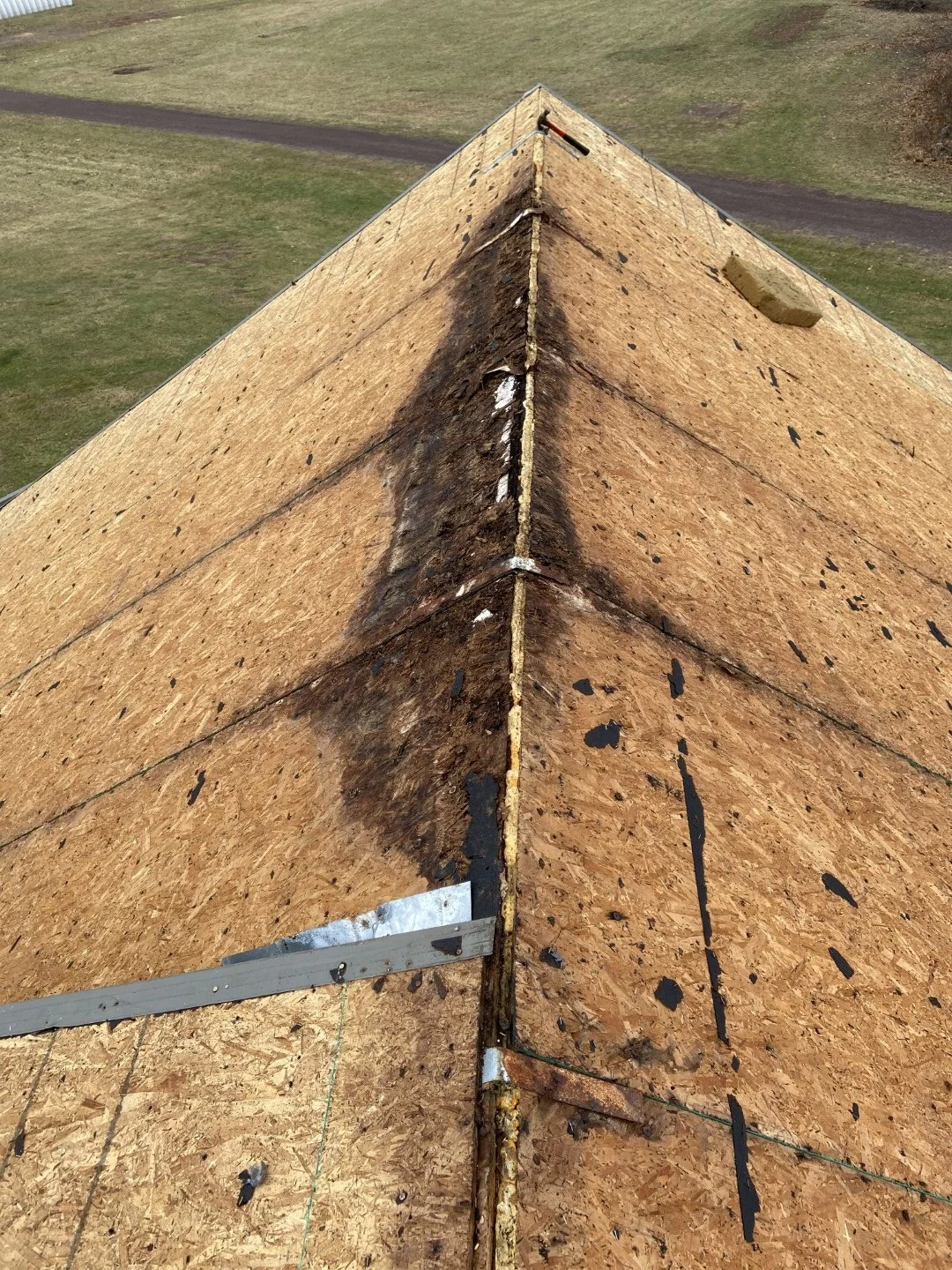
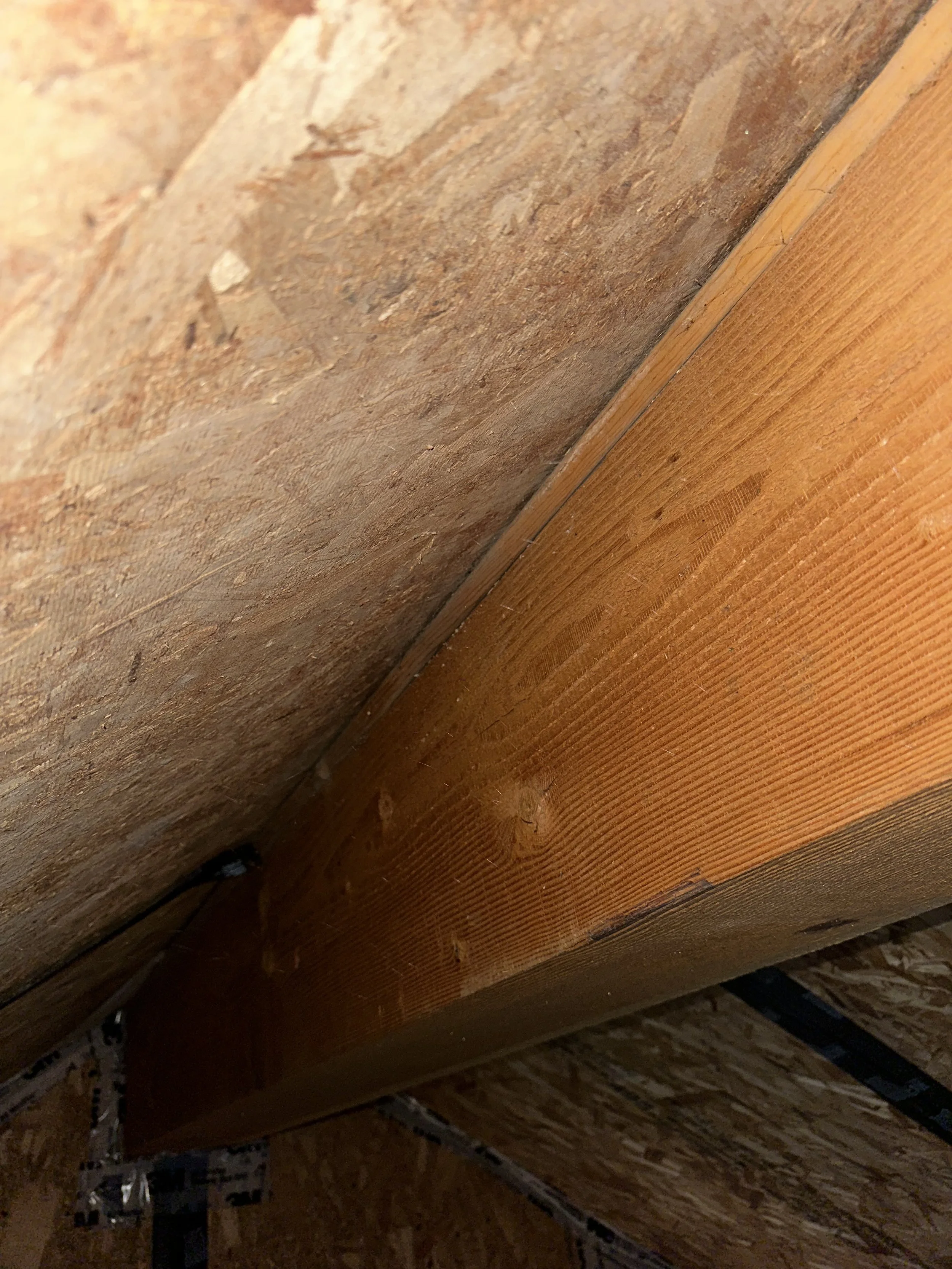
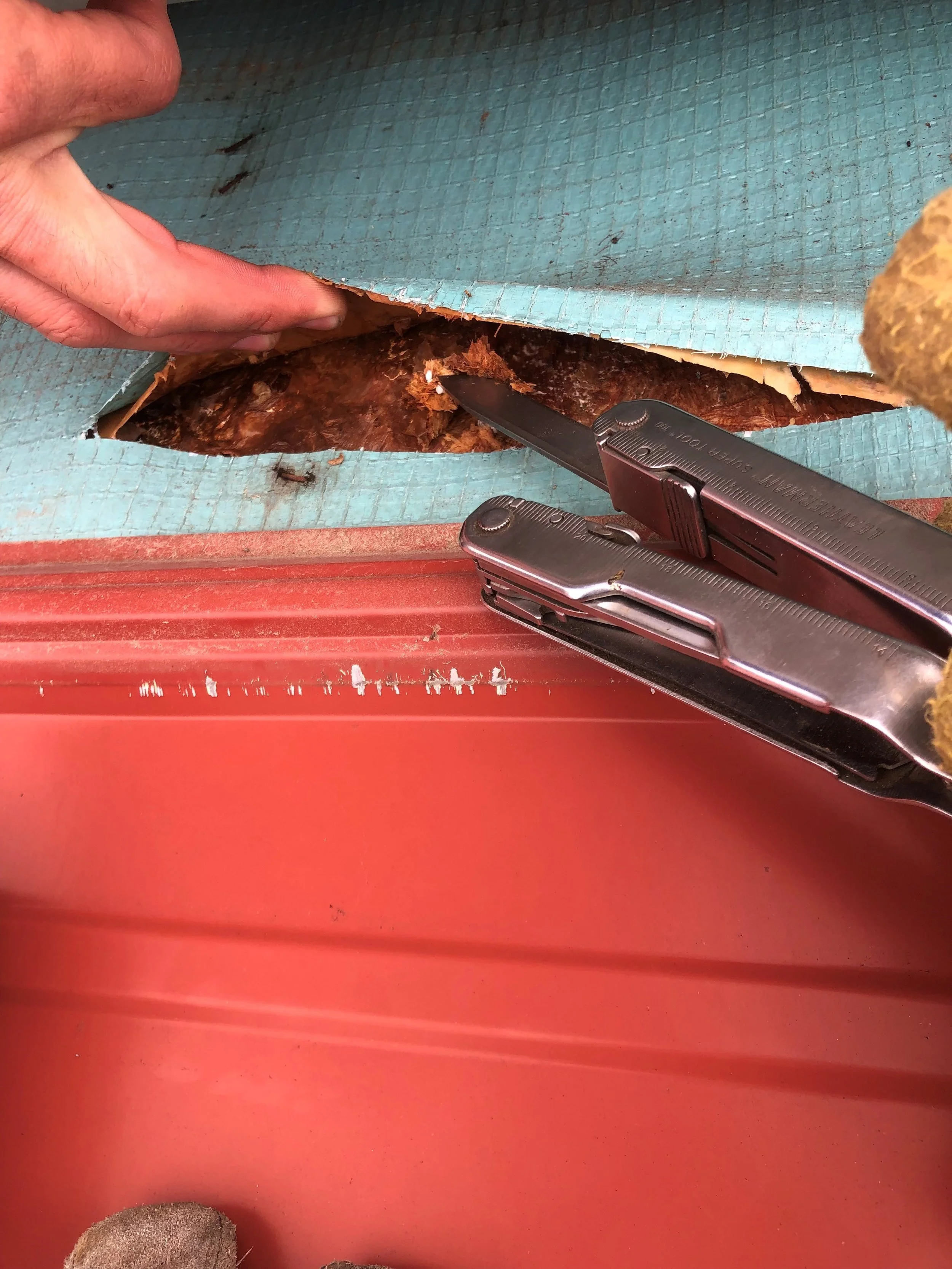
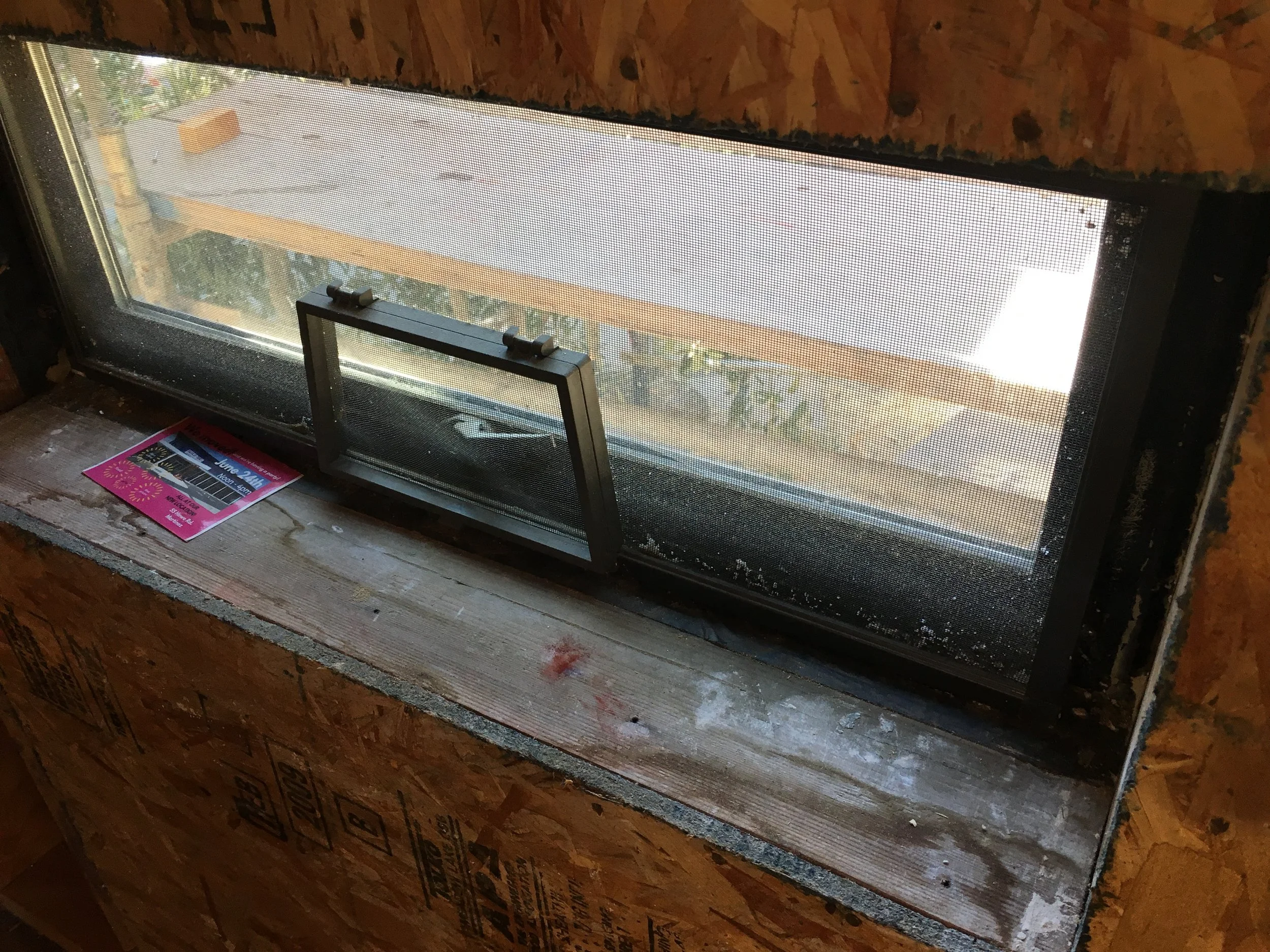
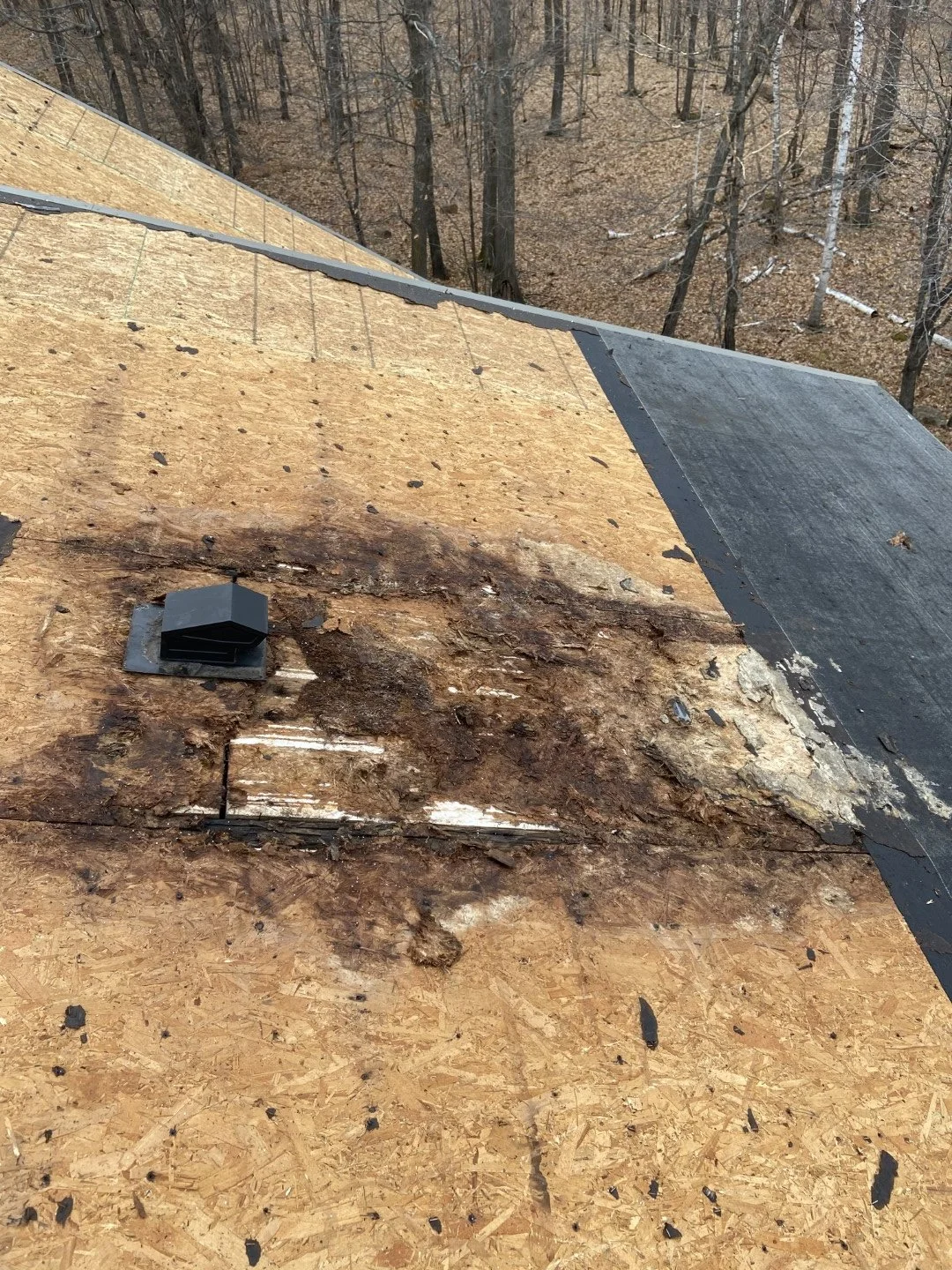
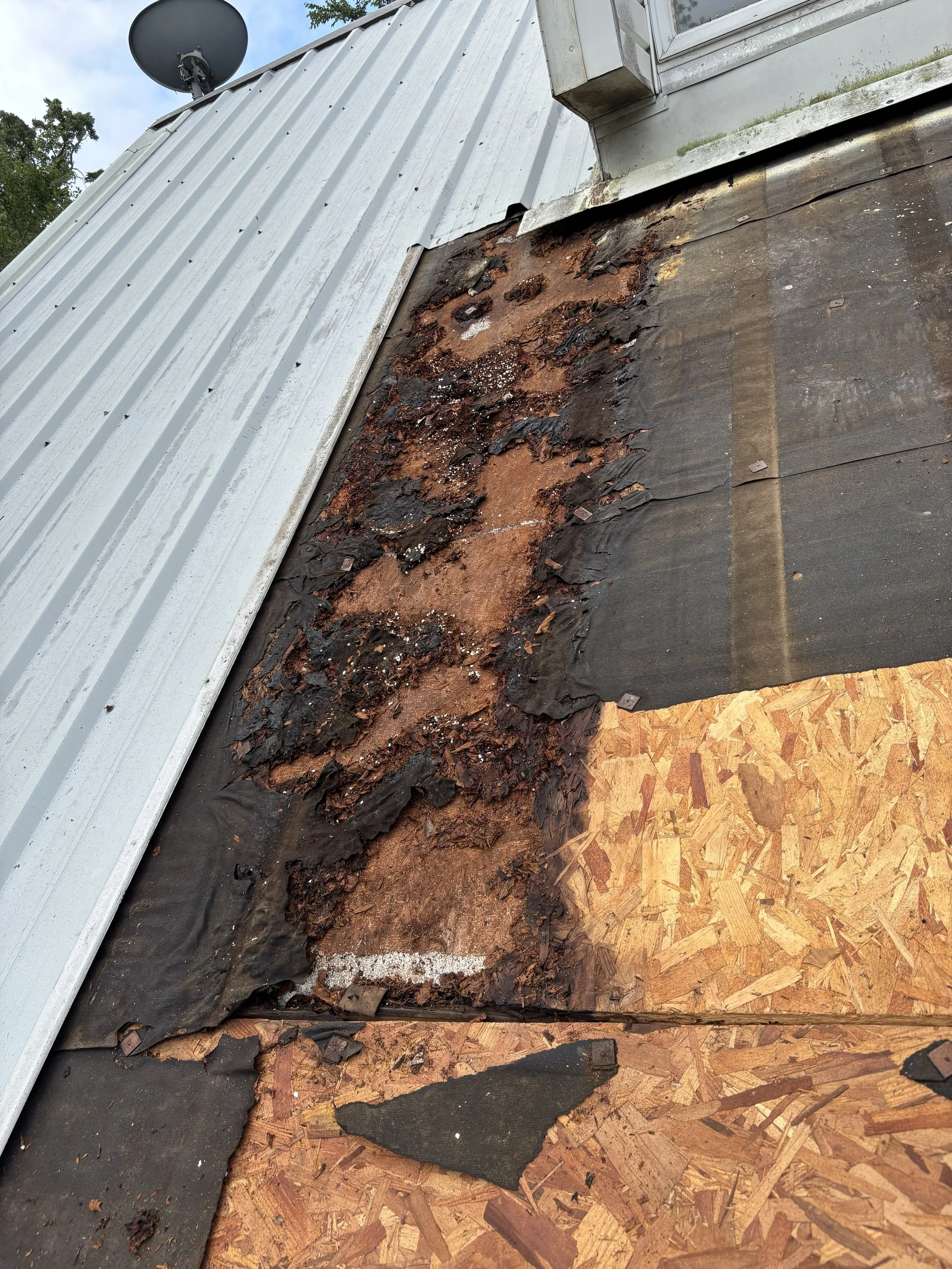
None of these require heroics to fix. They require attention to a known checklist, which is exactly what Section 7 below provides. And because OSB rot is just one of several documented SIP failure modes, our SIP Problems & Failure Modes guide covers the full picture if you want to see how this one fits alongside the others.
5. Moisture Management: The Four Controls That Matter
Every SIP project that holds up well over time, residential or commercial, gets these four things right.
Control liquid water. Correctly layered weather-resistive barrier details, flashing that sheds water downward, kick-out flashing at every roof-to-wall transition, and underlayment that actually sheds water.
Control air. Sealant and SIP tape at every joint, spline, and penetration, plus a verified blower-door test rather than guesswork.
Control vapor. Keep indoor humidity in check, use balanced ventilation (an ERV or HRV).
Control temperature. Keep the building's thermal layer continuous, design the roof correctly for the climate, and use vented cold roofs where appropriate.
Get these four right, and OSB rot stops being something to worry about.
6. Mold, Remediation, and Repair: What's Realistic
It helps to know what's actually fixable and what isn't, so a stained panel doesn't turn into unnecessary panic, or an unnecessary teardown.
Surface mold is cleanable and cosmetic. It's a sign moisture was elevated at some point, not that the structure was compromised.
Localized wetting can often be dried if caught early, though it should be monitored, not just assumed fine.
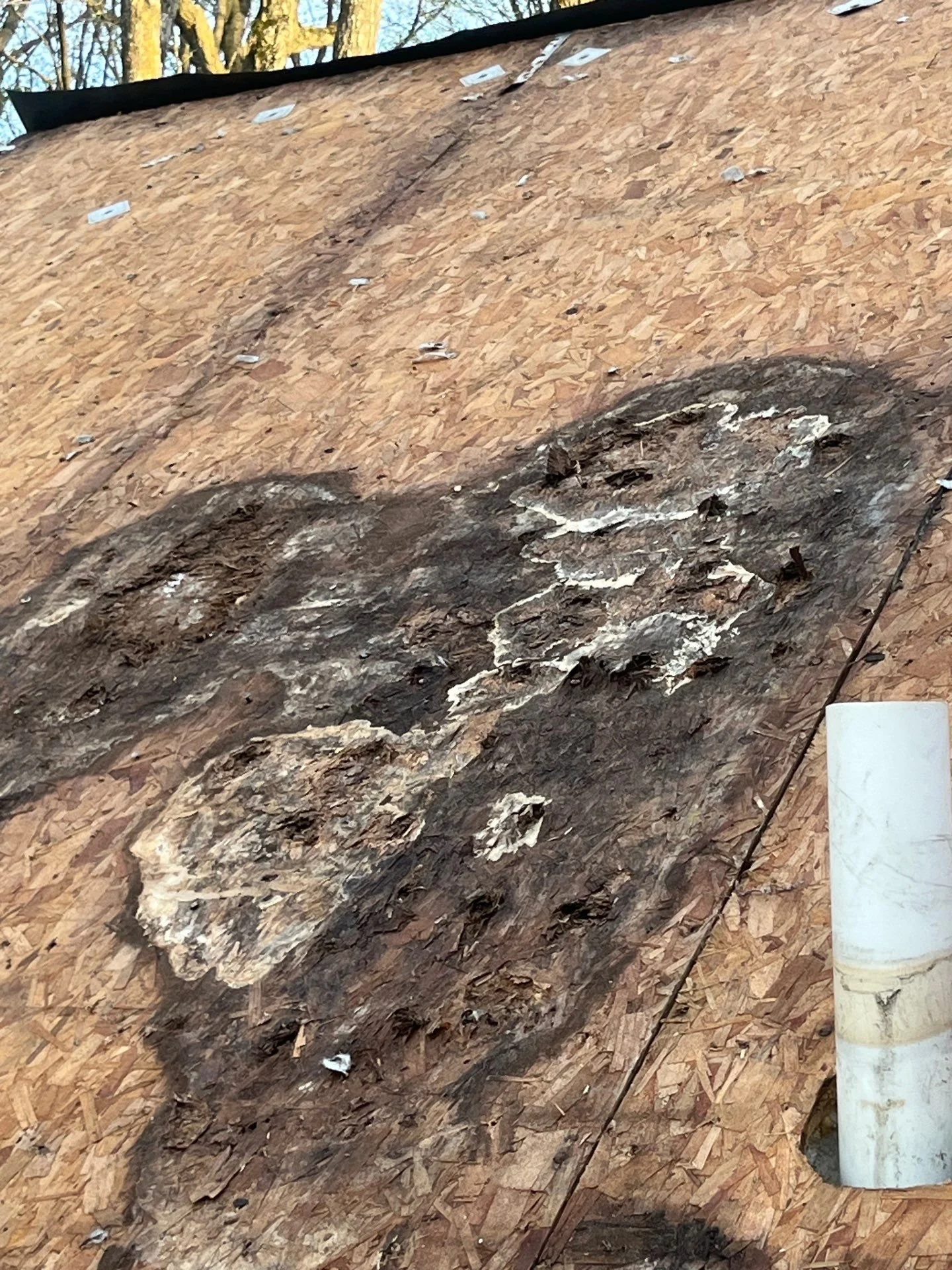
Structural rot is permanent. The affected OSB or panel section needs to be removed and replaced.
This is also where it's worth being clear about roles: PGS Consulting LLC provides diagnosis, documentation, and repair planning. The actual field labor and repair work belongs with your contractor.
Most mold species need wood moisture content above roughly 19-20%, sustained over time, before they can grow. Below that threshold, water is held tightly inside the wood's cell walls and there isn't enough "free" moisture for mold to use. OSB behaves a little differently than solid lumber: because it's resin-bound, it absorbs moisture more slowly at first, but once wet, it can hold that moisture longer at cut edges. Mold also needs warmth (roughly 40-100°F) and several days of exposure. Remove any one of the three, moisture, warmth, or time, and mold growth slows or stops. Mold is a signal that an assembly saw elevated moisture. On its own, it doesn't mean the OSB lost structural strength.
7. How to Prevent OSB Rot: A Practical Checklist
During design: confirm the SIP assembly design fits the local climate, specify balanced ventilation, require continuous weather-resistive barrier sequencing, and require specific sealing details at the ridge, eaves, and penetrations.
During construction: seal every joint with the manufacturer-approved sealant and tape, verify spline installation before panels are closed in, protect panels from weather while staged on site, flash every penetration, and run a blower-door test.
As a homeowner: keep indoor humidity between 30-50%, use your ventilation system as designed, check for leaks after major storms, and keep gutters and roof drainage clear.
If you're earlier in the process, here are some resources to help guide you:
And for the connection details, sequencing, and common field errors behind the construction checklist above, our SIP Installation Guide covers it in full.
8. The Real Message: SIPs Don't Rot. Unmanaged Moisture in OSB Causes Issues.
When OSB shows signs of distress, it's not a material failure. It's a system failure, and system failures are preventable with clear standards, good training, and attention to detail.
SIPs remain one of the highest-performing building enclosure systems available today. They deliver strong energy performance, real structural capacity, and faster construction timelines. Like any high-performance system, they reward precision. That's not a burden, it's simply the standard that comes with building something better than average.
Get the details right, and a SIP structure will deliver decades of quiet, comfortable, durable performance, without the fear or confusion that too often surrounds moisture and mold conversations.
Frequently Asked Questions
Do SIPs rot?
SIPs themselves don't rot. The OSB skin can deteriorate if liquid water or moisture-laden air reaches it and stays long enough that it can't dry out. With good moisture management, this is preventable.
What causes OSB to rot in SIPs?
Three things, alone or combined: bulk water intrusion, air leakage, or vapor drive from high indoor humidity. These are system issues, not material defects. Proper sealing, flashing, ventilation, and humidity control remove the conditions that lead to rot.
Is mold on a SIP panel a structural problem?
Not on its own. Mold is a surface-level response to elevated moisture, and it's cleanable. It doesn't mean the panel has lost structural strength. Rot is different: it's structural decay and requires replacement.
How can I tell the difference between mold and rot?
Mold looks like surface discoloration or spotting. Rot shows up as softened OSB, flaking fibers, loss of adhesion between the OSB and foam, or thickness swelling that doesn't go away after drying. A moisture assessment can confirm which one you're dealing with.
Why do SIP roofs seem to show moisture issues faster than other roof types?
SIP roofs are tightly built, high-performance assemblies without a hidden, vented cavity behind the insulation. Problems show up sooner rather than staying hidden for years. That's useful early feedback, not a sign of a weaker system.
Can OSB in a SIP dry out after it gets wet?
Yes, if the wetting was brief and the assembly has a way to dry. Repeated wetting or long periods of saturation can cause permanent swelling or damage the bond between the OSB and foam, so early detection matters.
Where do SIP moisture problems most commonly start?
The same places any roof or wall is vulnerable: ridge beams and peaks, eaves and fascia transitions, windows and doors, mechanical penetrations, and areas with poorly managed indoor humidity. All are predictable, and all are preventable with correct detailing.
How do I prevent OSB rot during SIP construction?
Focus on four controls: liquid water, air, vapor, and temperature. Get these four right and OSB rot becomes a non-issue.
Can a SIP panel with moisture damage be repaired?
Surface mold can be cleaned, and localized wetting can often be dried out if caught early. Bondline failure or structural rot can be repaired in place depending on the severity of damage. PGS provides diagnosis and repair planning; field labor is handled by your contractor.
Does a SIP home need special maintenance to avoid mold or rot?
Not special, just consistent. Keep indoor humidity between 30-50%, use your ventilation system as designed, and check for leaks after major storms. Built and maintained correctly, SIPs perform exceptionally well over the long term.
Have Questions About OSB Rot, Moisture, or Mold in Your SIP Project?
PGS Consulting LLC provides independent diagnosis, moisture assessments, and repair planning for SIP buildings, backed by 40+ years of engineering, manufacturing, and forensic experience.
Talk to Joe Pasma, PE