
How Much Does a SIP Project Cost? A Simple Guide to What Drives the Price
Ever gotten "it depends" when you asked what a SIP project costs? It's not a dodge, the price really does depend on a handful of specific things. Here's what they are, explained with a grocery-cart comparison instead of engineering jargon.
By Joe Pasma P.E. | PGS Consulting LLC | SIP Engineering & Consulting | Published September 14, 2026
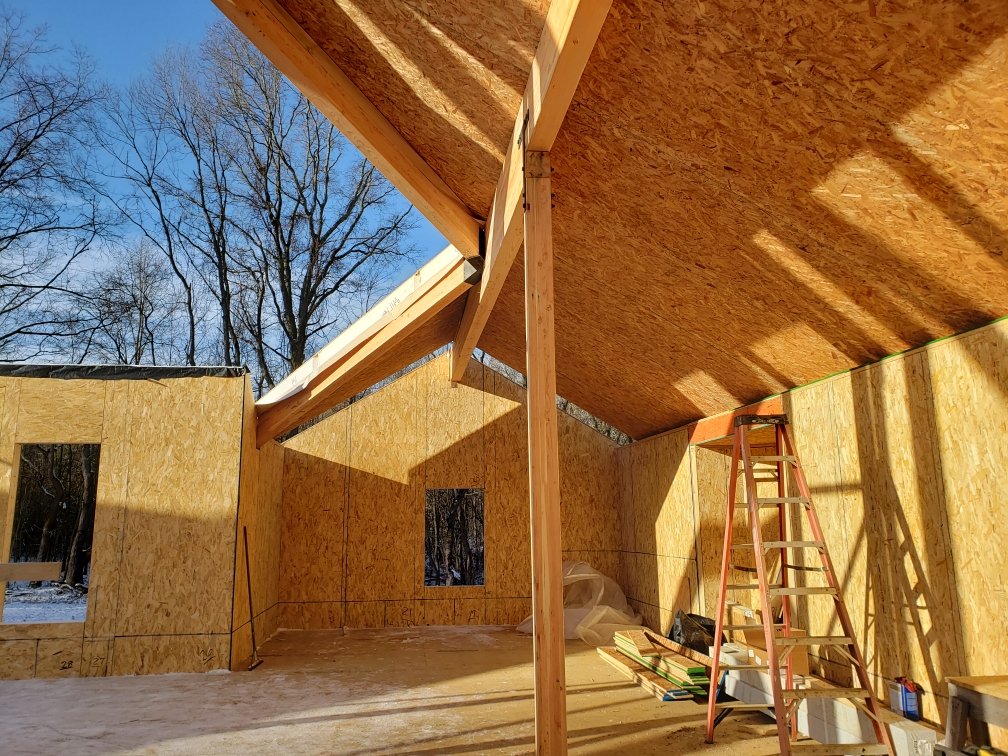
How much does it cost? It depends.
If you have ever asked a Structural Insulated Panel (SIP) manufacturer or contractor what a project costs and gotten "it depends" as the answer, you were not being given the runaround. SIP pricing really does depend on a handful of specific things, and once you know what those things are, the whole topic stops feeling like a mystery.
The easiest way to understand it is to stop thinking about SIPs as one product with one price, and start thinking about them the way you'd think about a bag of groceries.
Key Takeaways
SIP project cost is not one number. It depends on panel type, engineering scope, installation complexity, and logistics, the same way a grocery bill depends on what's in the cart, not how big the bag is.
The three main panel types, Blanks, Prefabricated, and Ready-to-Assemble (RTA), sit at different price points because each one shifts a different amount of work from the factory to your job site.
The cheapest panel option upfront (Blanks) often costs more once you add field labor, cutting waste, and a longer schedule.
Engineering, installation labor, shipping, and ancillary framing materials all add to the total, on top of the panels themselves.
Square-foot pricing alone can be misleading. Two SIP projects with the same square footage can land at very different final costs because their scope is different.
Why the Grocery Bag Comparison Actually Works

How much does a bag of groceries cost?
A bag of groceries does not have a fixed price. It depends entirely on what you put in it. A bag full of rice, beans, and bread costs very little. A bag the same size, full of ribeye steaks and prepared meals, costs a lot more. Same size bag, completely different total.
A SIP project works the same way. It is not one product, it is a bundle of choices:
Which type of panel you use
How much engineering the project needs
How precisely the panels were manufactured and cut
How complicated the installation is
How far the panels have to ship, and how they're delivered
Two projects can have the same square footage and still land at very different total costs, because the size of the "bag" was never the thing driving the price. What's inside it was.
The Three Types of SIP Panels, and Their Grocery-Store Equivalents
Almost every SIP cost conversation starts with panel type, because it's the biggest lever in the whole project. There are three main options, and each one trades cost for convenience differently.
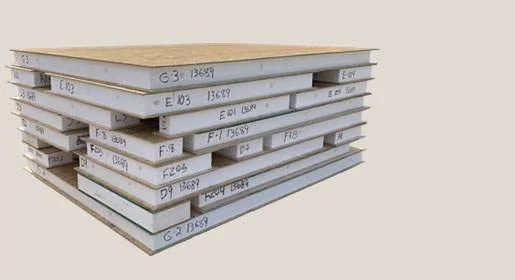
SIP Blanks: The Pantry Staples
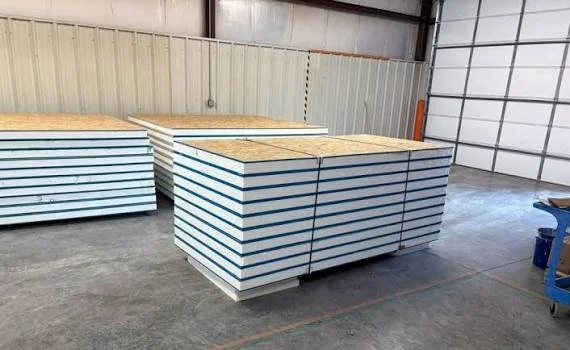
Blanks are the simplest SIP product. They come out of the factory laminated, but not cut, so there's no CNC shaping, no pre-cut openings, no factory layout. They're the cheapest panel option on paper, but that lower price comes with a catch: all the complexity that the factory didn't handle gets pushed onto your job site.
In practice, that means the lowest price tag upfront, but the most field labor, the most cutting and waste, the highest risk of tolerance problems, and usually a longer installation schedule. Blanks look inexpensive on the invoice. They often cost more once the crew is actually on site cutting and fitting them by hand, and they limit how far a panel can span without extra structure added in.
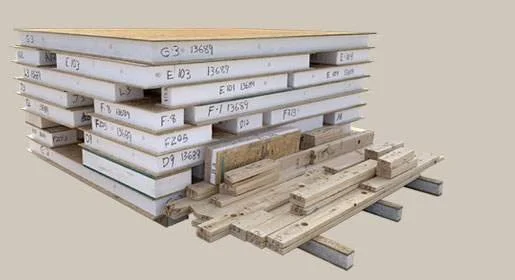
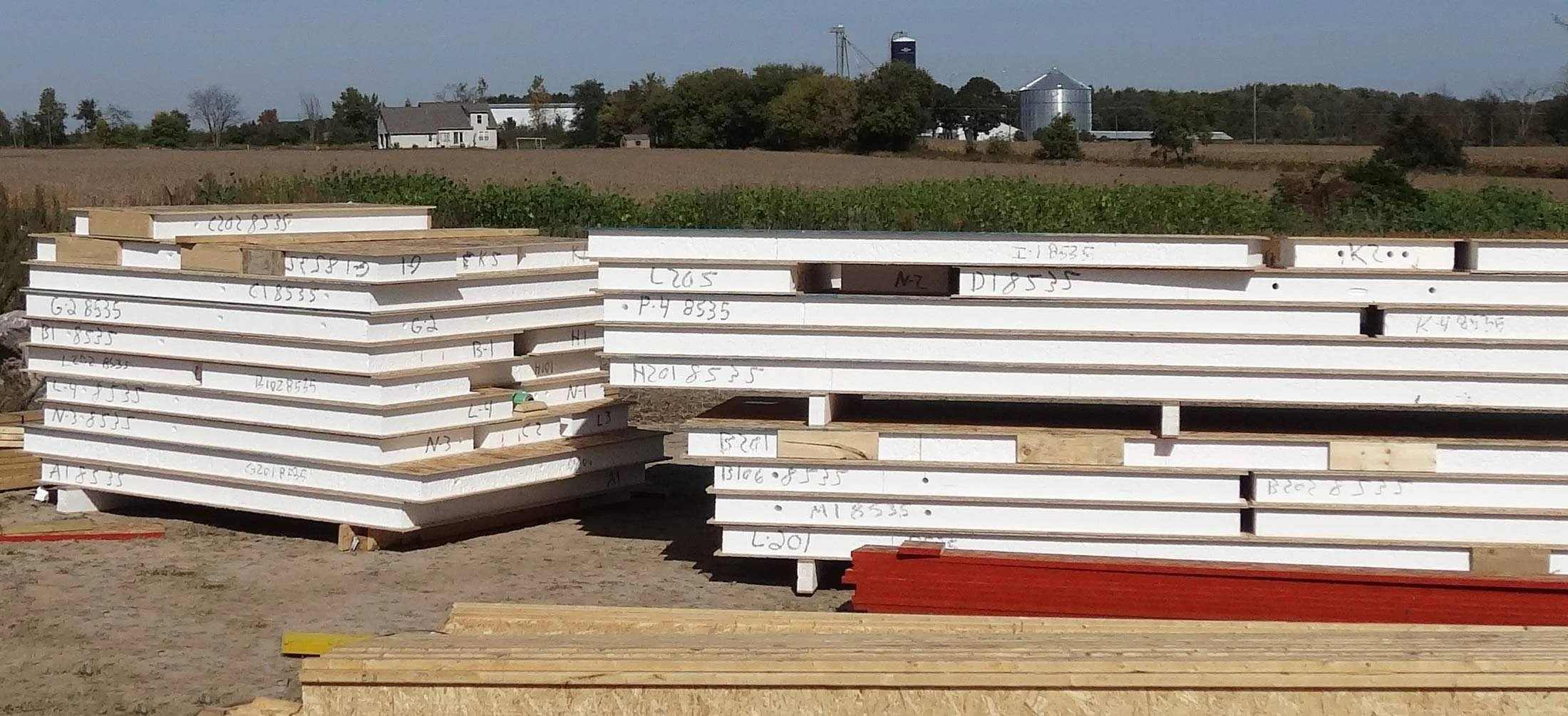
Prefabricated SIPs: The Produce and Good Meat
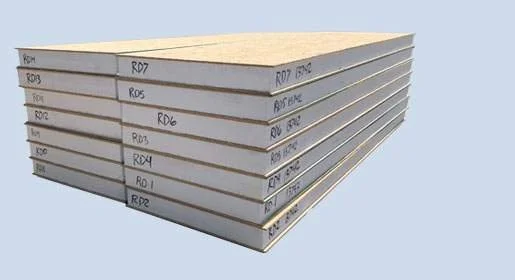
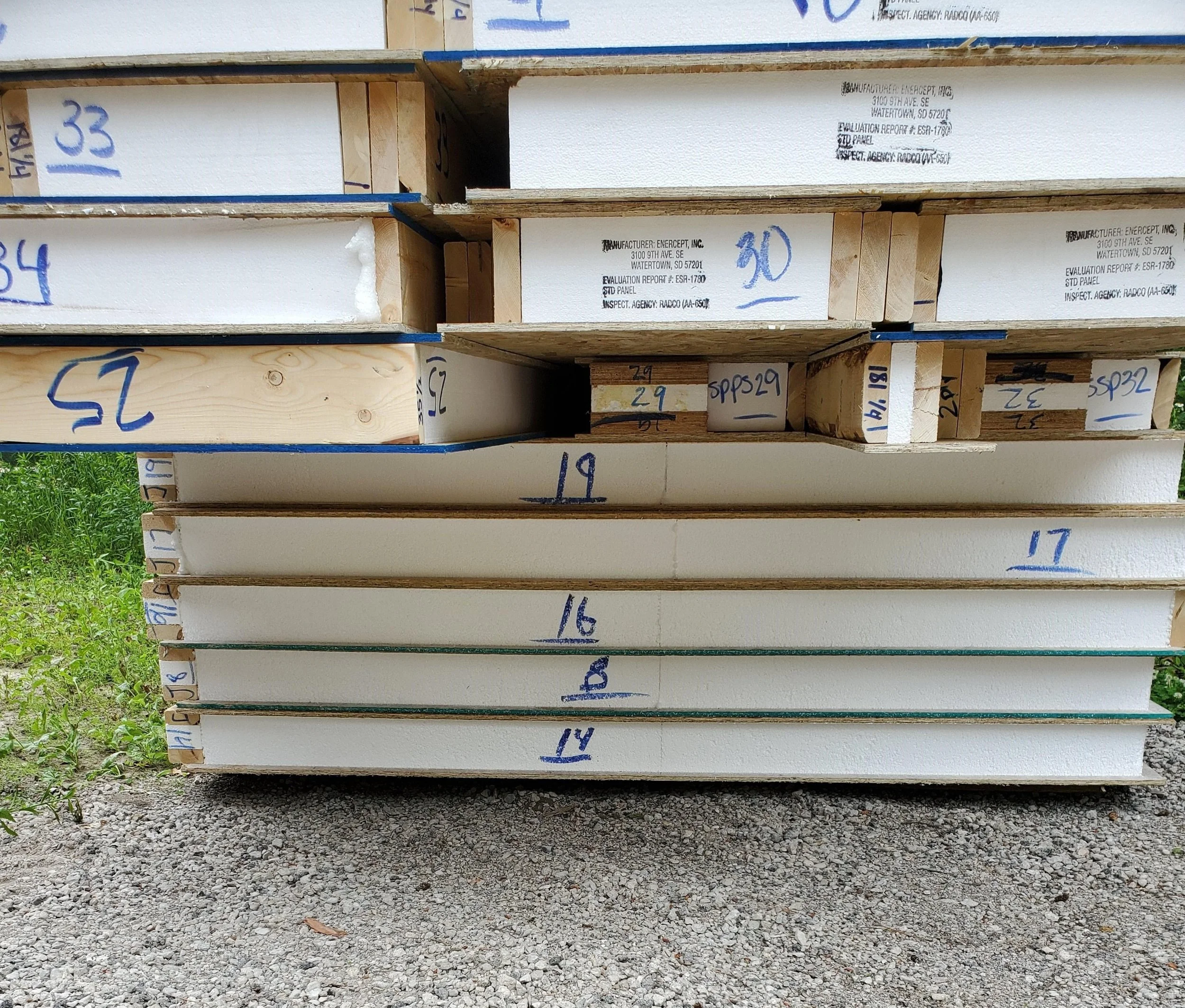
Prefabricated panels come out of the factory already cut to size, with openings, bevels, and layout built in. That shifts a meaningful amount of work off the job site and back into a controlled factory environment.
The tradeoff is a moderate step up in panel cost, in exchange for less field labor, better tolerances, less waste, and a shorter installation schedule. For many projects, this is the sweet spot: not the cheapest panel on the shelf, but the best overall value once you account for what happens after delivery.
Ready-to-Assemble (RTA) SIPs: The Premium and Prepared Foods
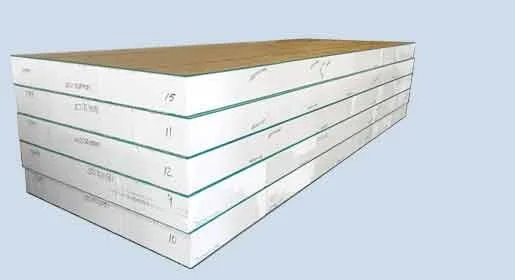
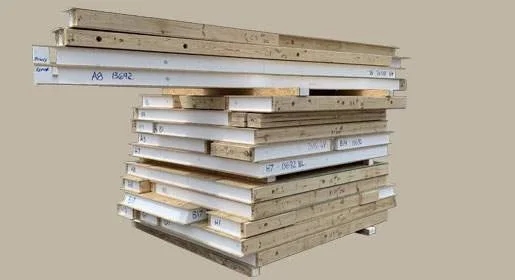
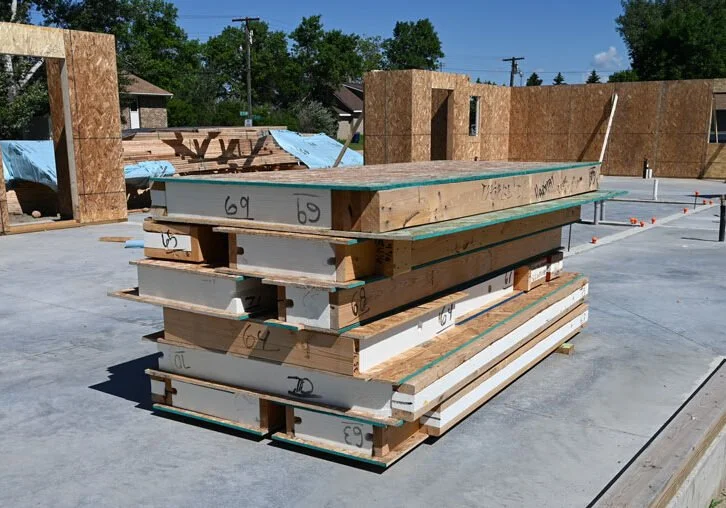
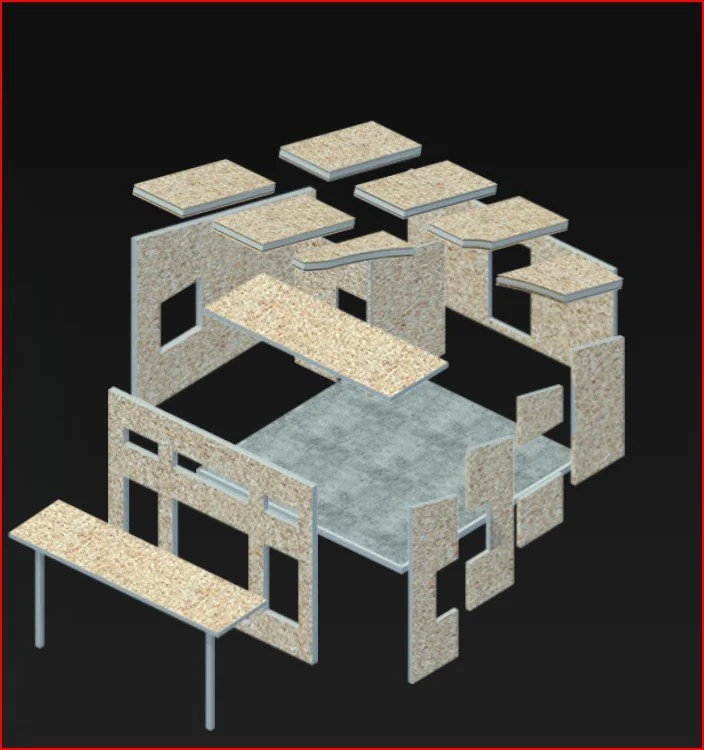
RTA panels arrive ready to install. Splines are already in place, assemblies are pre-built, and structural members are already installed at the factory.
This is the highest price at checkout, but it comes with the lowest field labor, the fastest installation, the lowest risk of on-site mistakes, and the best schedule compression. Think of it as the difference between buying raw ingredients and having a prepared meal delivered. You're paying more per item, but you're buying back time, predictability, and reduced risk of something going wrong in the field.
What Else Goes Into the Cart Besides the Panels
Panel type is the biggest factor, but it's not the only one. A handful of other things ride along in the same "cart" and shape your final number.
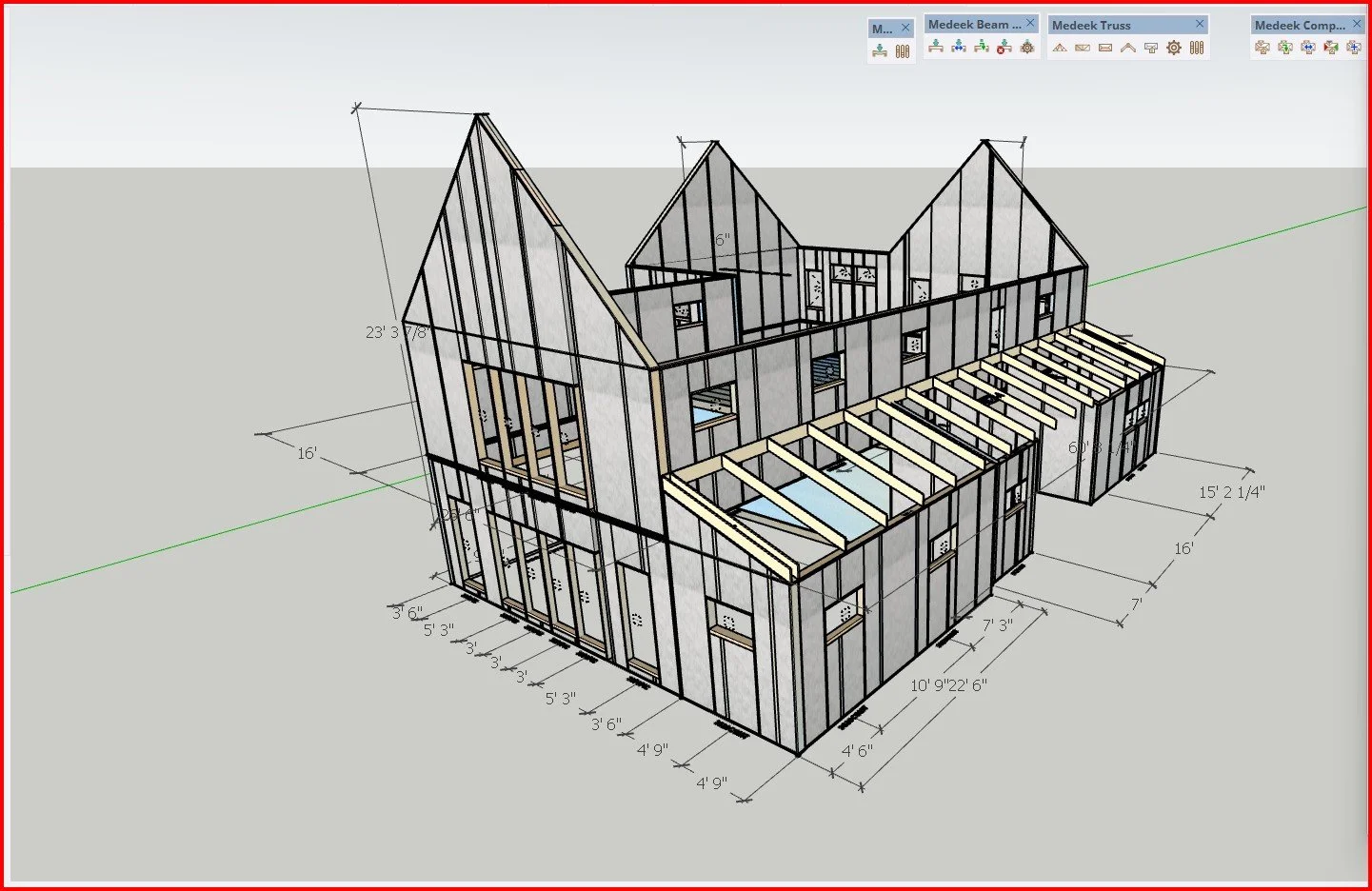
Engineering is like the recipe and the spice rack. Structural design, connection details, and load-path verification all determine whether the finished project actually performs the way it's supposed to, especially for long spans, and in high seismic and high wind areas.
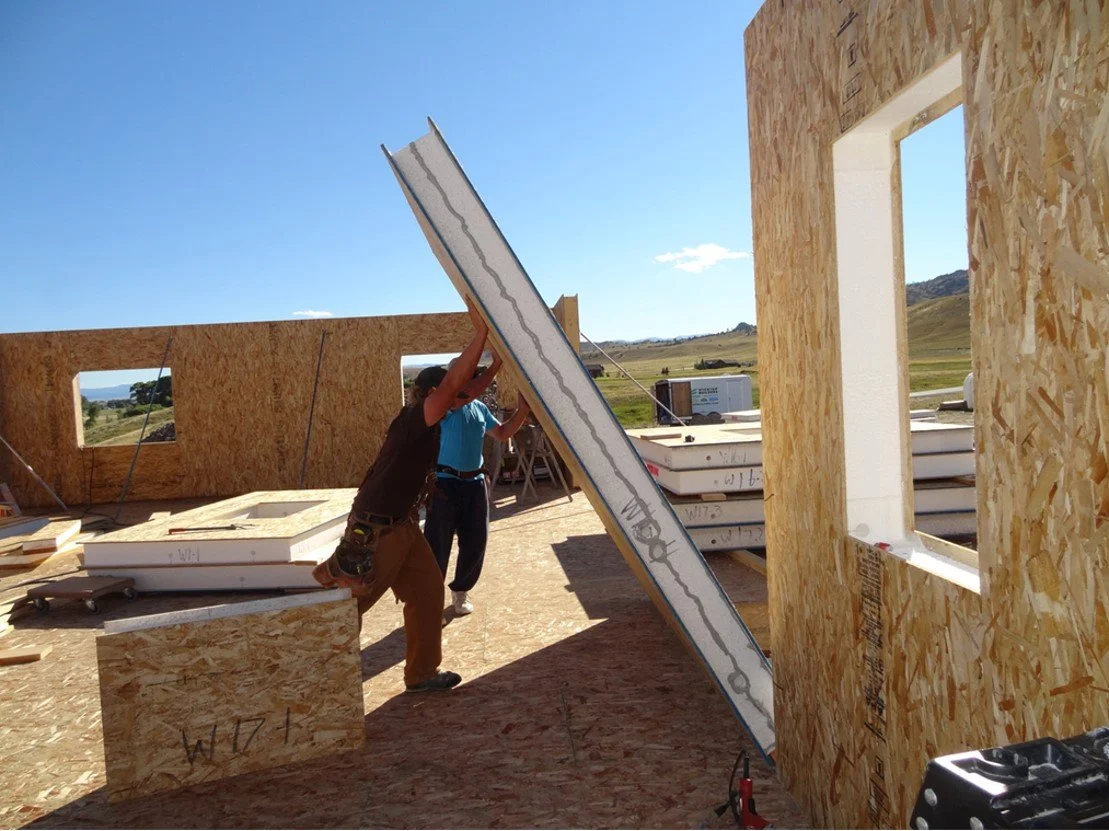
Installation is the cooking labor, and it affects cost more than most people expect. Crew experience, roof pitch, multi-story work, weather, crane access, and how carefully tolerances are managed all add or subtract from the final bill. Blanks need a lot of "cooking." RTA panels need almost none.
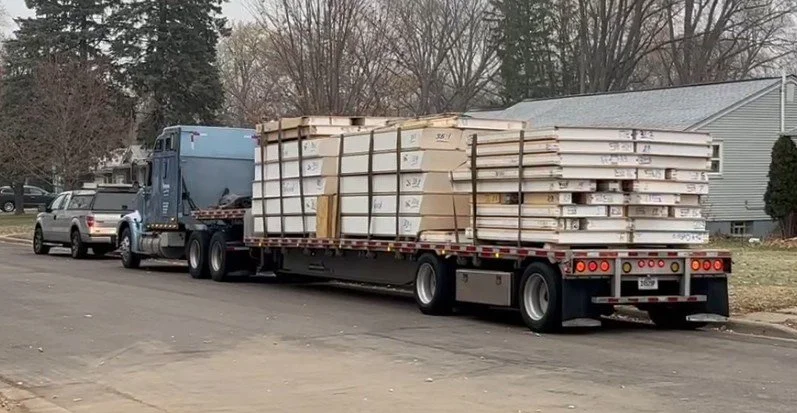
Shipping is the delivery fee. It moves based on distance, how efficiently the load is consolidated, whether the site is rural or urban, and whether a crane is required. Shipping often makes up a meaningful slice of total SIP cost, so it's worth asking about early rather than treating it as an afterthought.
Wildfire detailing is a premium ingredient, not a different recipe entirely. In wildfire-prone zones, ignition-resistant detailing at vents, soffits, and any gap where embers could get behind the assembly may add cost, but it meaningfully reduces risk. You can read more about how that works in How SIPs Perform in Wildfire Zones.
Air-barrier continuity is the packaging. It's what keeps everything inside the envelope working the way it was designed to. Better packaging at the seams, joints, and penetrations means better long-term performance, and usually a lower chance of costly problems down the road.
Wildfire-resistant detailing usually doesn't mean a different panel. It means extra attention at the places embers can get behind the assembly: vents, soffits, roof-to-wall transitions, and any small gap that looks harmless until an ember finds it. That's why a project in a wildfire zone can carry a higher installation and detailing cost even when the base panel price looks identical to a standard project.
Engineering Is What Makes the Recipe Work
It's tempting to think of engineering as a line item you could trim to save money. In practice, it's closer to the recipe that makes everything else in the cart actually work together. Load paths, connection details, and structural support members all get decided at the engineering stage, before a single panel is manufactured. Get that stage wrong, and no amount of premium panel material fixes it later.
The projects that blow up their budget almost never blow up on the panels themselves. They blow up on decisions made before a single panel was ordered: a roofline that wasn't finalized, an opening added after the shop drawings were locked, a crew installing SIPs for the first time without experienced guidence. Get the scope right at the front end, and the panel invoice stops being the scary part.
-- Joe Pasma, PETrying to figure out which of these cost drivers actually apply to your project: Talk to Joe Pasma, PE, he can look at your specific scope and tell you straight where your budget is actually going.
Putting It All Together: SIP Cost as a Grocery Receipt
Once you line all of that up, the pattern gets easy to see.
← Swipe to view full table →
| SIP Scope | Grocery Comparison | What It Means for Your Budget |
|---|---|---|
| Blanks | A bag of pantry staples | Lowest price on the shelf, but more of your own time and labor to turn it into a finished result |
| Prefabricated | Staples plus produce and good meat | Costs more than staples, but most of the prep work is already done for you |
| Ready-to-Assemble (RTA) | Premium ingredients plus prepared meals | Highest price at checkout, but the fastest, lowest-risk path to a finished result |
| Full engineering + installation package | The whole cart, plus someone else doing the cooking | Highest total investment, but the most predictable outcome |
Want the Numbers, Not Just the Concept?
This article explains why SIP pricing moves around so much. For actual current price ranges by panel type, plus everything else that can shift a quote up or down, the SIP Cost Guide breaks it down further.
See the SIP Cost GuideWhy Square-Foot Pricing Alone Can Mislead You
Here's the real point underneath all of this: a single price-per-square-foot number sounds simple, but it hides almost everything that actually determines your cost. Two projects with identical square footage can land at very different totals because they made different choices on panel type, engineering depth, manufacturing precision, installation strategy, performance detailing, and logistics.
That's not a flaw in how SIPs are priced. It's just what happens when a building product is really a bundle of decisions rather than a single item off a shelf. This is exactly why a generic quote can be hard to compare against another generic quote: they may not be quoting the same scope at all, even if the square footage on the cover page matches.
This is also the reason PGS Consulting LLC exists as an independent voice in this process. The goal is to help you define the right scope up front, so you don't end up with a "bag of groceries" full of things you didn't actually need, or missing something you did.
If a quote you're comparing looks unusually low or unusually high next to everything above, that's worth a second look at what's actually included, not an automatic red flag. The SIP Cost Guide linked earlier breaks the price range down further by panel type, which is a good place to start checking a quote against.
Related SIP Resources
Frequently Asked Questions
How much does a SIP project cost per square foot?
There isn't one fixed number. Panel pricing itself generally runs in a wide range depending on panel type, and the full project cost on top of that depends on engineering, installation, shipping, and any special detailing your site needs. See the SIP Cost Guide for current panel-type price ranges.
Why do two SIP projects with the same square footage cost different amounts?
Because square footage only measures size, not scope. Panel type, engineering depth, installation complexity, and logistics can all be different between two projects that happen to be the same size, and those are the things that actually set the price.
Is the cheapest SIP panel option (Blanks) actually the best deal?
Not usually. Blanks have the lowest price on the panel invoice, but they push more cutting, labor, and schedule time onto your job site, which often erases some or all of the upfront savings.
Is it worth paying more for Ready-to-Assemble (RTA) panels?
For projects where speed, predictability, and reducing field risk matter most, often yes. You're paying more per panel in exchange for less field labor and a faster, more controlled installation.
How much of my SIP budget goes to shipping?
Shipping can be a meaningful slice of total project cost, and it varies with distance, load consolidation, and whether the site needs crane access. It's worth asking about specifically rather than assuming it's a minor line item.
How do I get an accurate cost estimate for my specific project?
The only reliable way is to have someone look at your actual scope, not a generic square-foot number. Talk to Joe Pasma, PE for an independent read on what your project actually needs.
Not Sure What Your SIP Project Will Actually Cost?
PGS Consulting LLC helps manufacturers, builders, and developers define the right scope before the panels are ever ordered, so your budget reflects the project you're actually building, not a guess. Backed by 40+ years of engineering, manufacturing, and forensic experience.
Talk to Joe Pasma, PE