

Why OSB Rots in SIPs And How to Prevent It
If you've ever seen a stained or swollen OSB panel and wondered whether your SIP is failing, here's the short answer: it's not the panel, it's the moisture. I walk through what actually causes OSB rot, how to tell mold from rot before you panic, and the four controls that keep it from happening in the first place.
By Joe Pasma, PE | PGS Consulting LLC | SIP Engineering & Consulting | Published July 14, 2026
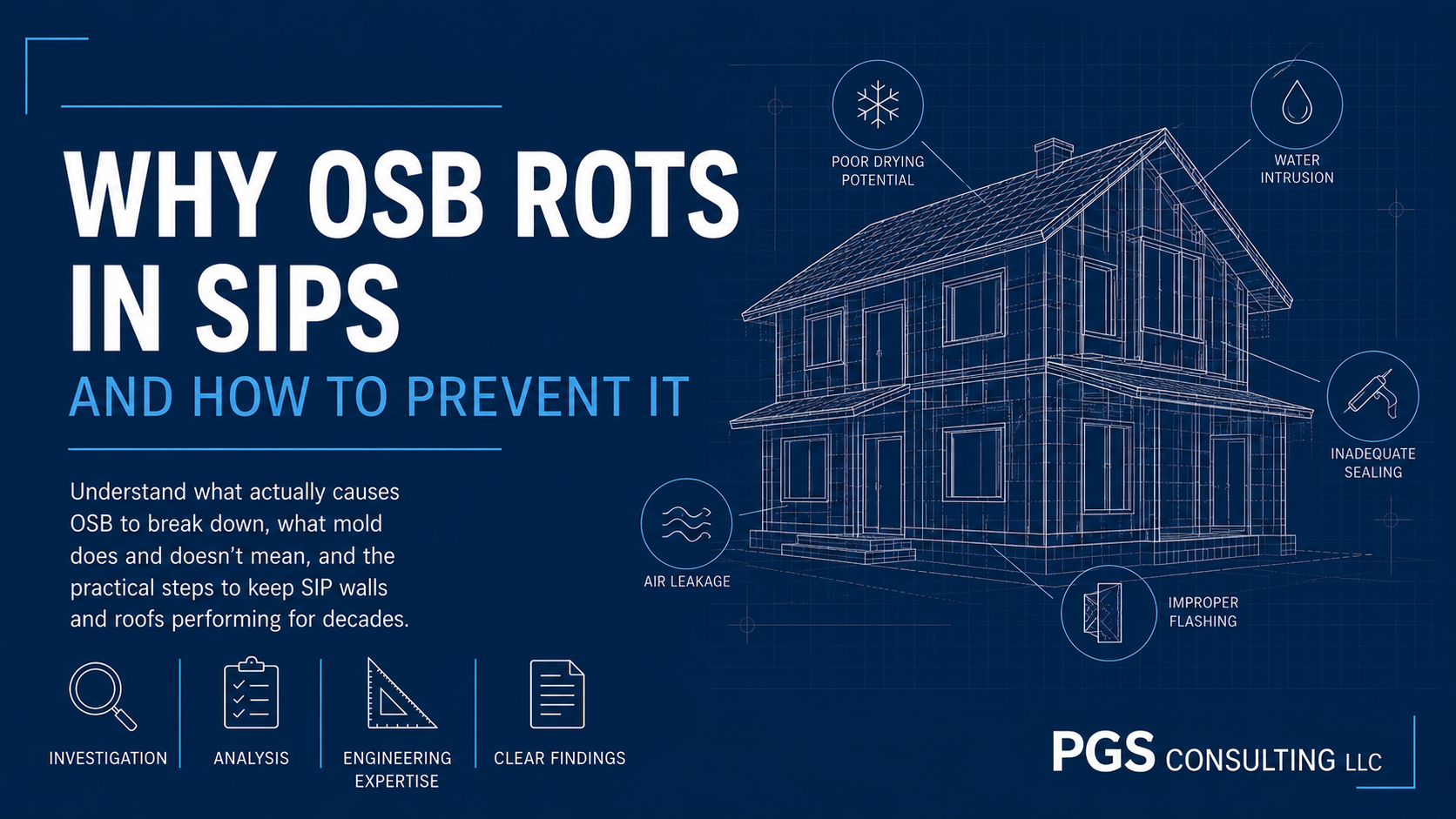
If you work with Structural Insulated Panels (SIPs) long enough, you'll eventually hear the same worried question: "Do SIPs rot?"
It's a fair question. When the OSB (oriented strand board) skin on a SIP shows a dark stain, some swelling, or a patch of mold, it's easy to assume the panel itself has failed.
Here's the short answer, based on every forensic investigation I've led across manufacturers, climates, and building types: OSB rot is not a SIP problem. It's a moisture problem. And moisture problems are solvable, with the right systems, training, and follow-through.
This guide walks through what actually causes OSB to break down, what mold does and doesn't mean, and the practical steps builders, designers, and homeowners can take to keep SIP walls and roofs performing the way they're designed to for decades. My goal isn't to point fingers. It's to give you the same clarity I'd want if it were my own project.
Key Takeaways
OSB rot happens when water or damp air reaches the wood and can't dry out over time. It is not something unique to SIPs.
SIPs are high-performing, tightly built assemblies. That means moisture problems show up sooner than they would in a traditional wall, which is a feature, not a flaw.
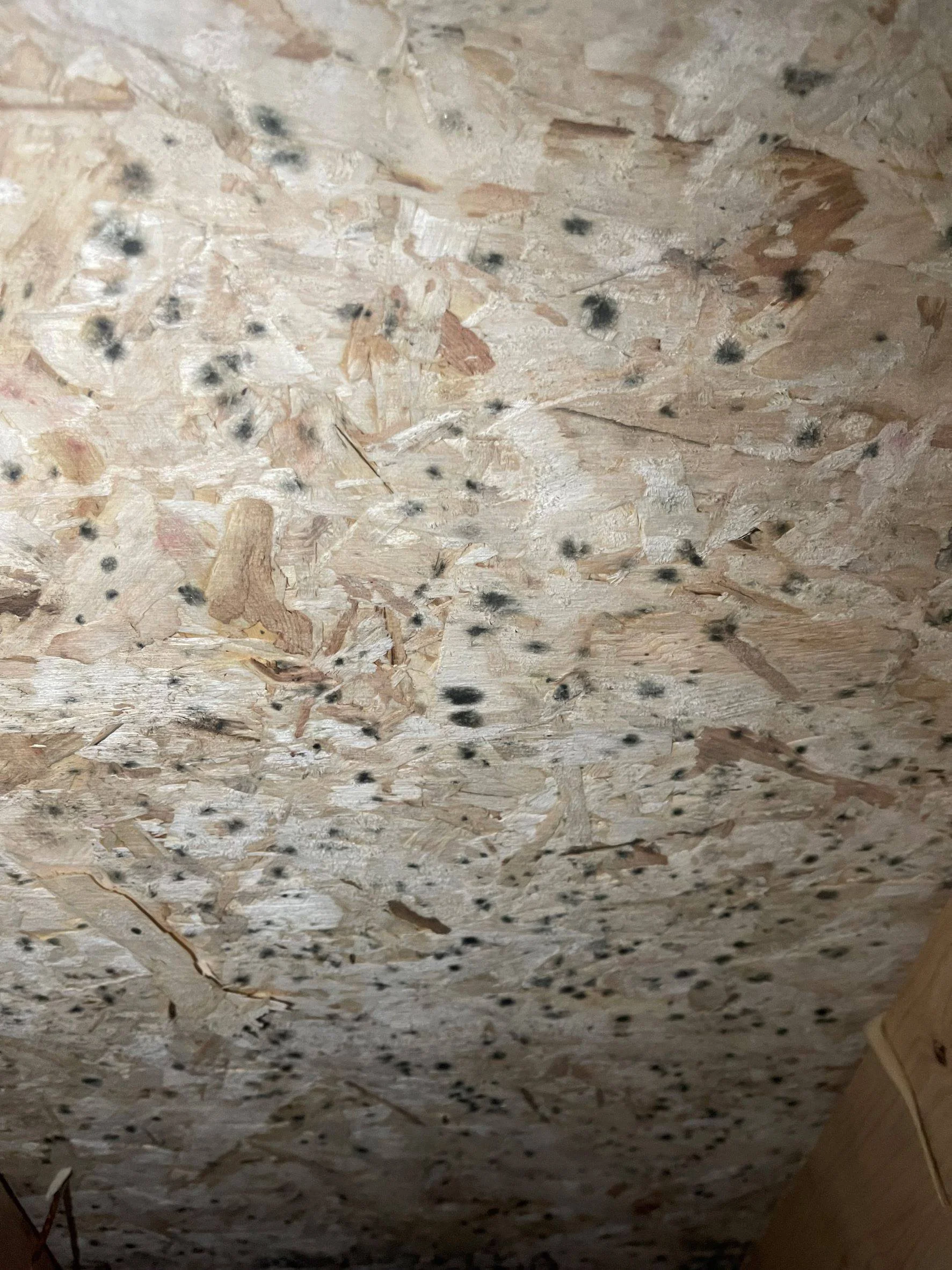
Mold and rot are not the same thing. Mold is a surface issue that can be cleaned. Rot is permanent structural decay that requires replacement.
Nearly every OSB moisture issue traces back to one of four things: liquid water, air leaks, humid indoor air, or a cold condensing surface.
A simple checklist covering design, construction, and homeownership prevents the vast majority of moisture problems in SIP buildings.
1. What OSB Rot Really Is (and What It Isn't)
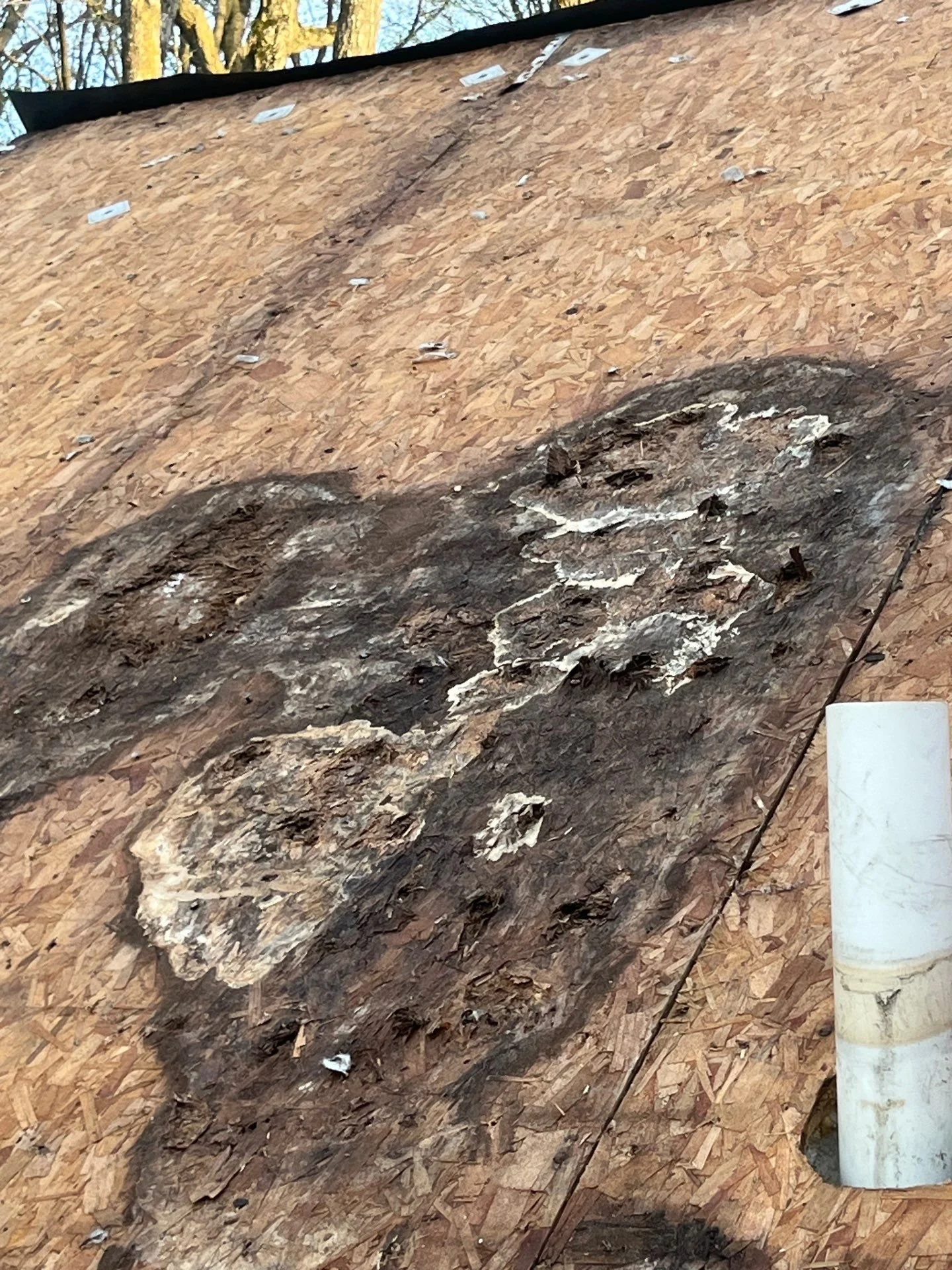
OSB doesn't fail on its own. It breaks down when liquid water, or air carrying moisture condenses, reaches the wood and stays there long enough that it can't dry out.
There are really only three ways that happens:
Bulk water intrusion. A roof leak, a window leak, a gap in the weather-resistive barrier (WRB), or missing flashing lets rainwater in directly.
Air leakage carrying moisture. Warm, humid air escapes through a gap, hits a cold surface, and condenses into liquid water wetting the OSB, the same way a cold glass of water "sweats" on a summer day.
Vapor drive. In cold climates, high humidity inside the home pushes moisture toward the colder roof or wall skin, where it can condense.
None of these three causes are unique to SIPs. What makes SIPs different is that they're a high-performance, tightly sealed assembly with fewer places for moisture to hide or escape. That's a strength, but it means the details matter. SIPs reward precision. They don't require perfection, just intentional, careful work.
2. How OSB Behaves When It Gets Wet
Understanding how OSB responds to moisture helps everyone, from builders to homeowners, make sense of what they're looking at.
OSB absorbs water unevenly. The cut edges soak up moisture faster than the flat faces.
Mold can start once moisture content climbs above roughly 19-20%. Below that level, there isn't enough available water for mold to grow.
Staying wet for a long time weakens the wood's internal bond, reducing the panel's strength over time.
Repeated wetting and drying cycles cause permanent swelling. A panel that "dried out" isn't automatically back to normal. It's worth checking, not just assuming.
Mold vs. Rot
Knowing the distinction between mold and rot prevents a lot of unnecessary panic on a job site or during a home inspection.
← Swipe to view full table →
| Category | Mold | Rot |
|---|---|---|
| What it is | Surface-level biological growth | Structural decay of the wood itself |
| Can it be fixed? | Yes, it's cleanable | No, the material must be replaced |
| Does it mean the panel failed? | Not on its own | Yes |
3. Why SIPs Show Moisture Problems Sooner (and Why That's a Good Thing)
SIPs aren't fragile. They're direct. Because a SIP wall or roof doesn't have a vented cavity hiding behind the insulation, there's nowhere for a moisture problem to quietly sit for years unnoticed. When something's off, it tends to show up sooner rather than later.
That's not a defect. It's useful feedback, and it's part of why SIPs outperform stick framing on energy efficiency and long-term durability when they're built correctly.
SIPs depend on three things working together: continuous bonding between the OSB skin and the foam core, airtight joints between panels, and proper sealing at splines, ridges, and penetrations through the panel. When those three things are done well, SIPs are one of the most durable enclosure systems available. When a step gets skipped or rushed, moisture will find the gap. It always does.
In 40+ years investigating SIP performance, I have never found a case of OSB rot that couldn't be traced back to one of four things: water, air, vapor, or temperature. When those four are controlled, the material simply does what it was engineered to do.
-- Joe Pasma, PE4. The Most Common Places Moisture Problems Start
These patterns show up again and again, across manufacturers and climates. That's actually good news: predictable problems are preventable problems.
Ridge beams and roof peaks. Warm moist air rises, so the ridge is the first place condensation can form if sealant is missing or a spline wasn't installed correctly.
Eaves and fascia edges. Ice dams, a reversed weather barrier lap, or a missing kick-out flashing can let water travel behind the fascia and into the OSB.
Windows and doors. Gaps in the weather barrier, a missing sill pan, or an unsealed rough opening are common entry points.
Mechanical penetrations. Vents, plumbing stacks, and electrical lines all need to be sealed properly.
Indoor humidity. Tight, energy-efficient homes need balanced ventilation, or humidity can build up in winter and push moisture toward cold surfaces.
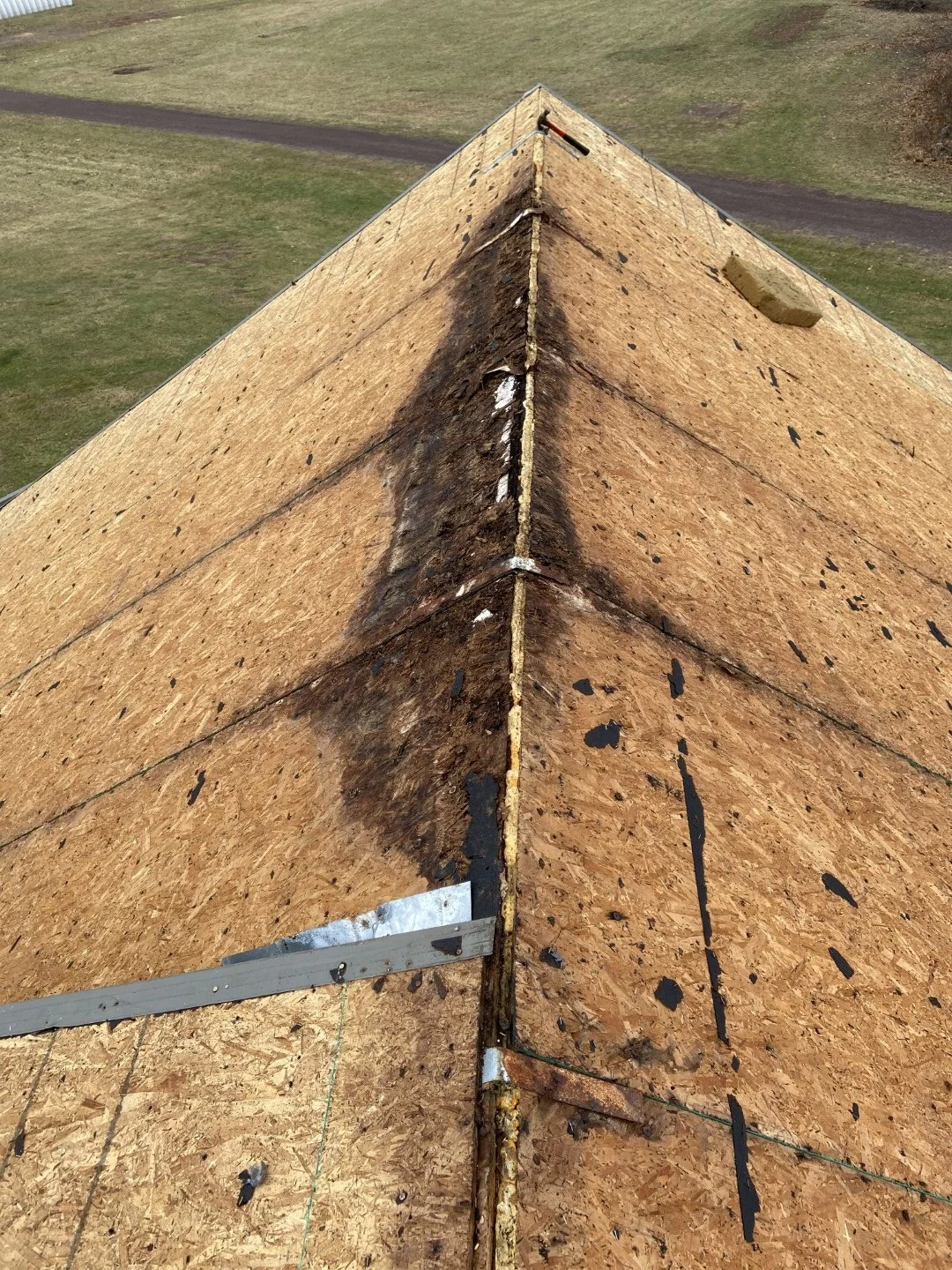
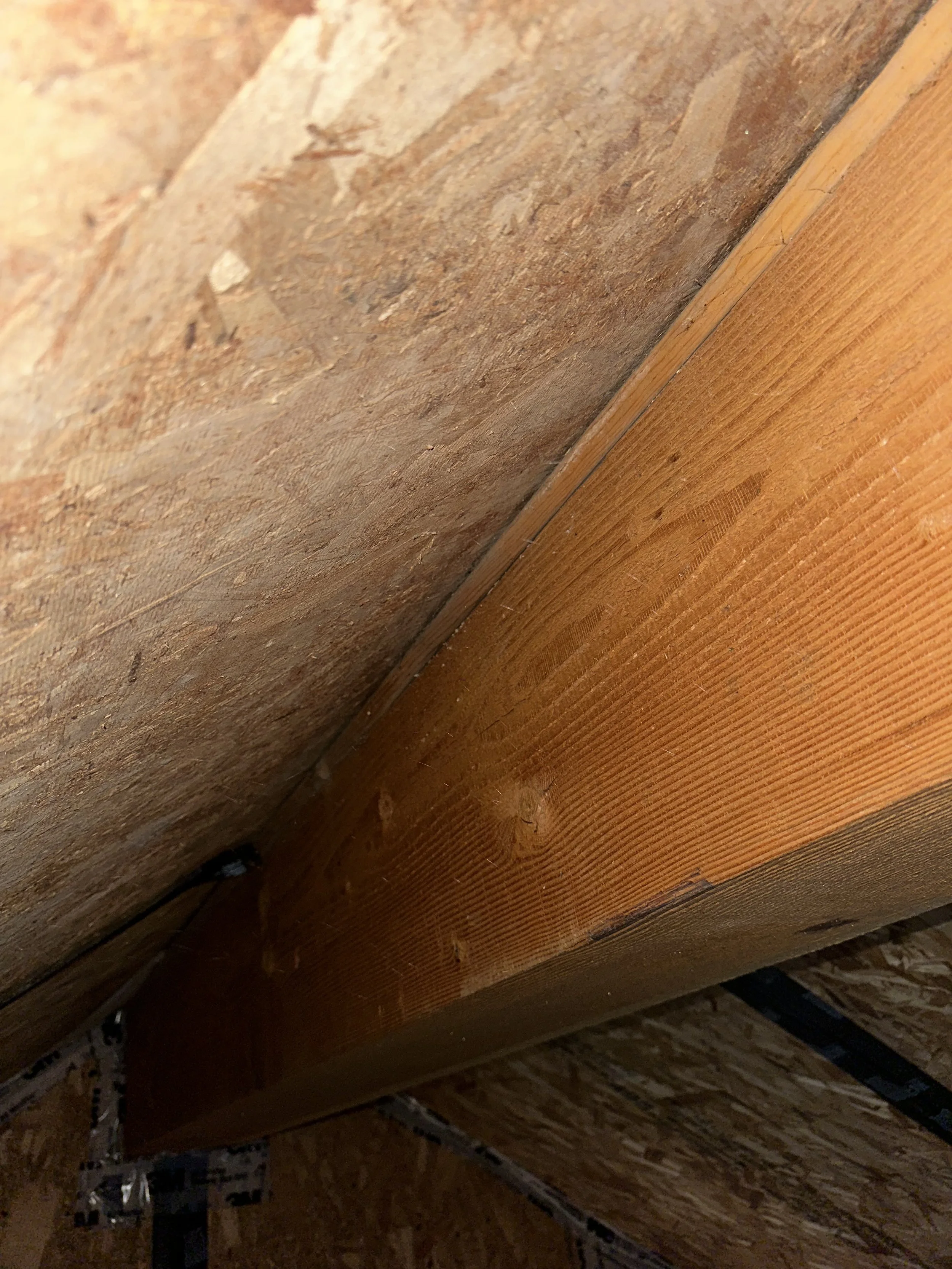
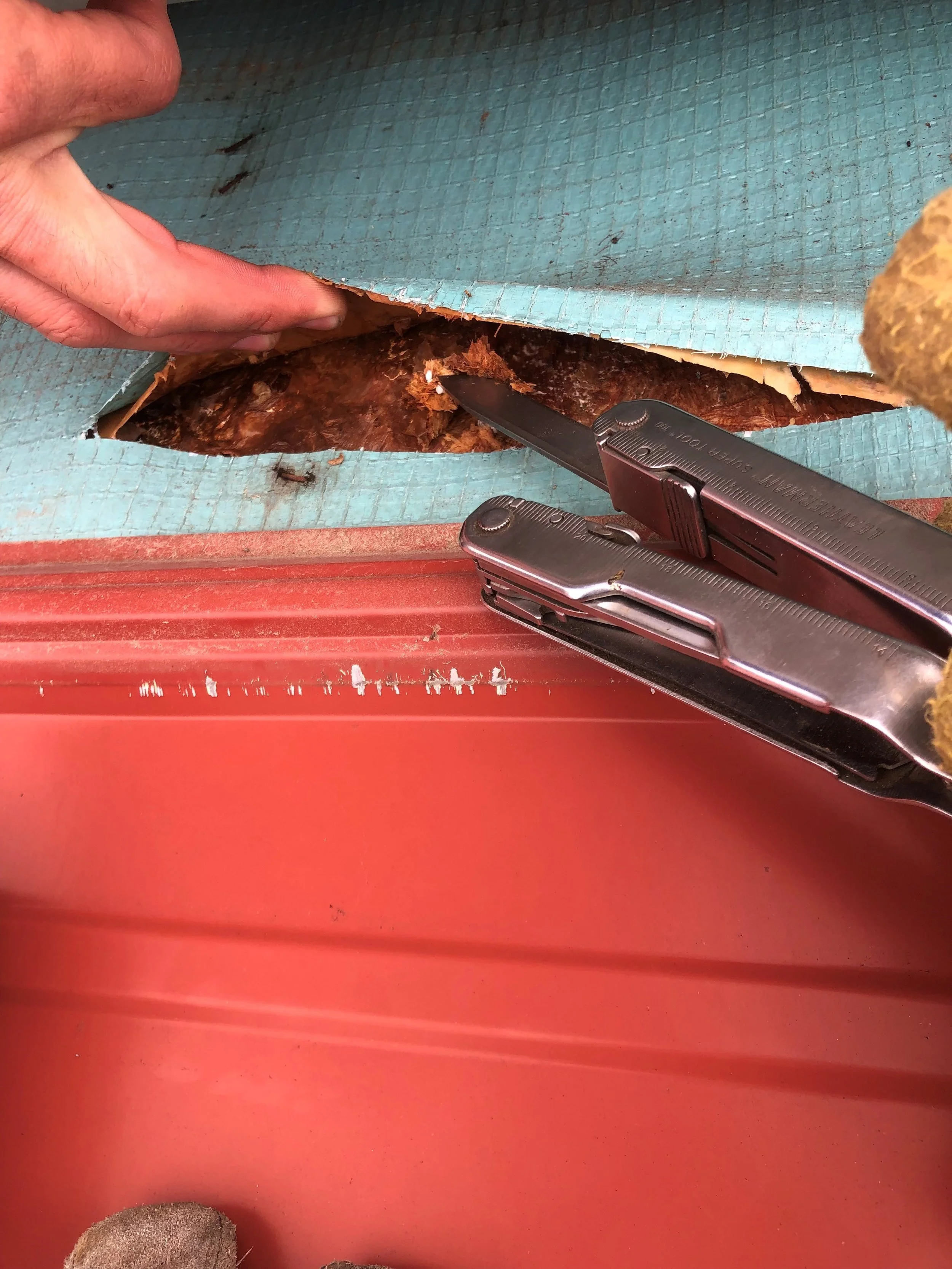
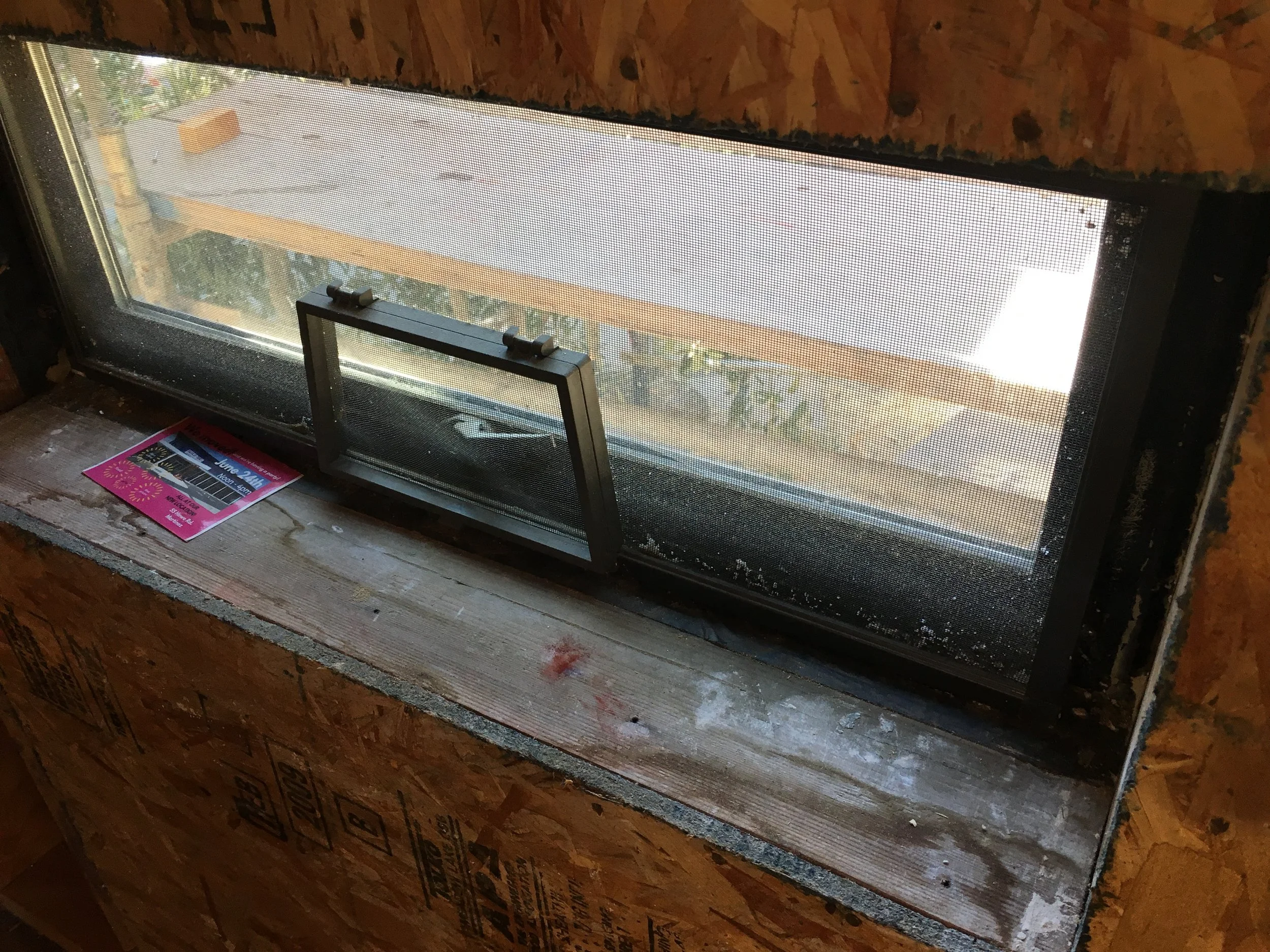
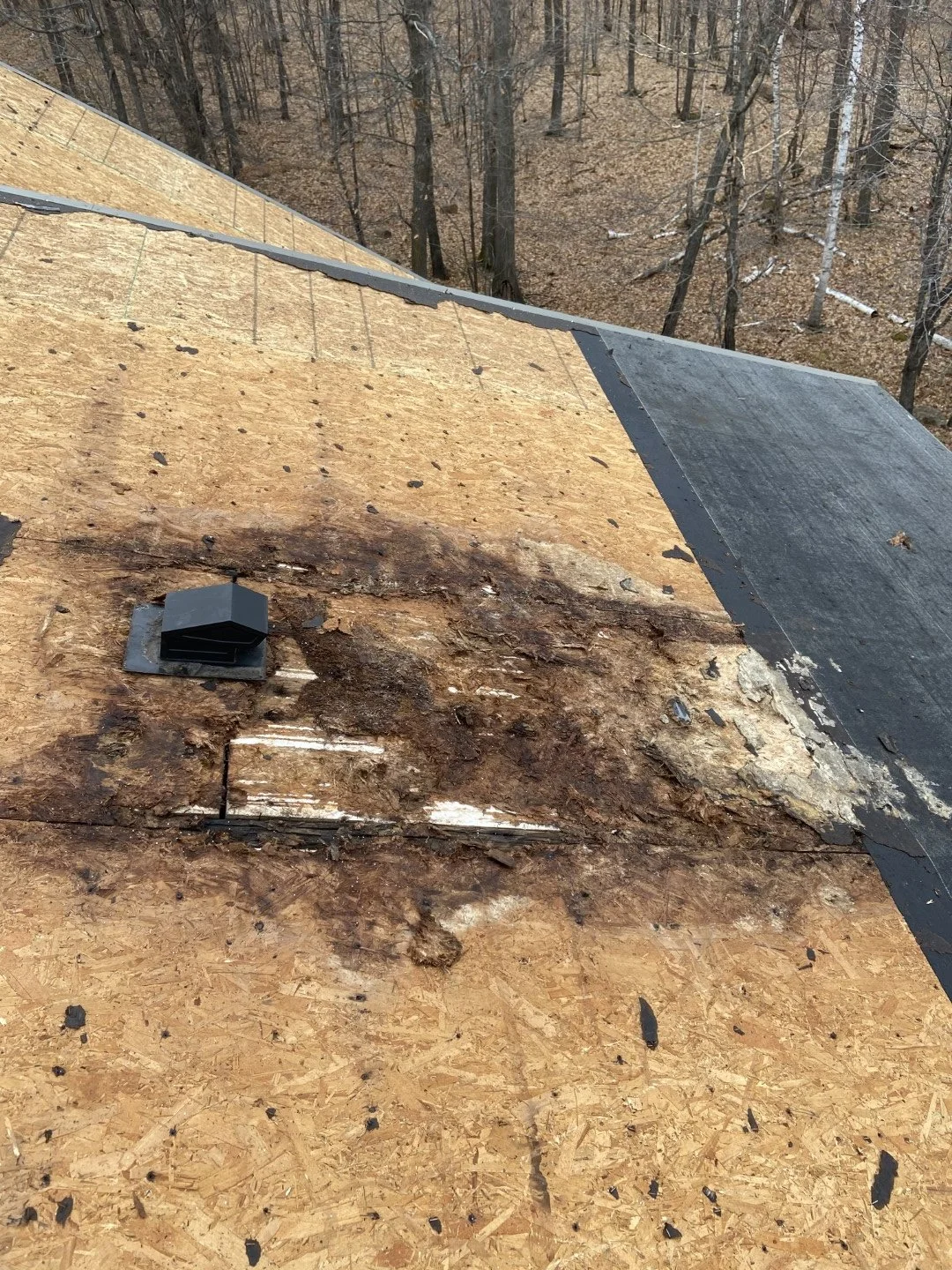
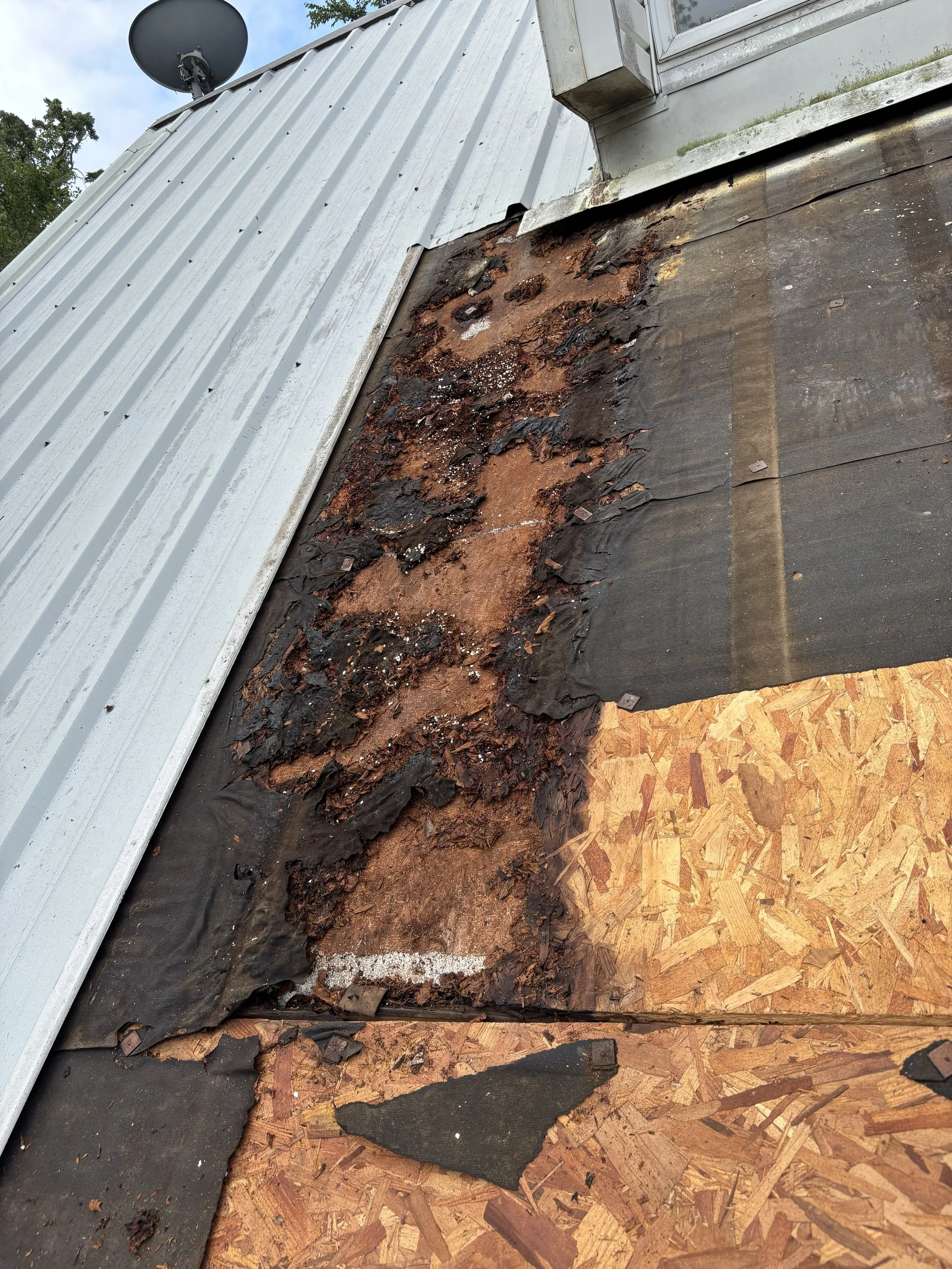
None of these require heroics to fix. They require attention to a known checklist, which is exactly what Section 7 below provides. And because OSB rot is just one of several documented SIP failure modes, our SIP Problems & Failure Modes guide covers the full picture if you want to see how this one fits alongside the others.
5. Moisture Management: The Four Controls That Matter
Every SIP project that holds up well over time, residential or commercial, gets these four things right.
Control liquid water. Correctly layered weather-resistive barrier details, flashing that sheds water downward, kick-out flashing at every roof-to-wall transition, and underlayment that actually sheds water.
Control air. Sealant and SIP tape at every joint, spline, and penetration, plus a verified blower-door test rather than guesswork.
Control vapor. Keep indoor humidity in check, use balanced ventilation (an ERV or HRV).
Control temperature. Keep the building's thermal layer continuous, design the roof correctly for the climate, and use vented cold roofs where appropriate.
Get these four right, and OSB rot stops being something to worry about.
6. Mold, Remediation, and Repair: What's Realistic
It helps to know what's actually fixable and what isn't, so a stained panel doesn't turn into unnecessary panic, or an unnecessary teardown.
Surface mold is cleanable and cosmetic. It's a sign moisture was elevated at some point, not that the structure was compromised.
Localized wetting can often be dried if caught early, though it should be monitored, not just assumed fine.
Structural rot is permanent. The affected OSB or panel section needs to be removed and replaced.
This is also where it's worth being clear about roles: PGS Consulting LLC provides diagnosis, documentation, and repair planning. The actual field labor and repair work belongs with your contractor.
Most mold species need wood moisture content above roughly 19-20%, sustained over time, before they can grow. Below that threshold, water is held tightly inside the wood's cell walls and there isn't enough "free" moisture for mold to use. OSB behaves a little differently than solid lumber: because it's resin-bound, it absorbs moisture more slowly at first, but once wet, it can hold that moisture longer at cut edges. Mold also needs warmth (roughly 40-100°F) and several days of exposure. Remove any one of the three, moisture, warmth, or time, and mold growth slows or stops. Mold is a signal that an assembly saw elevated moisture. On its own, it doesn't mean the OSB lost structural strength.
7. How to Prevent OSB Rot: A Practical Checklist
During design: confirm the SIP assembly design fits the local climate, specify balanced ventilation, require continuous weather-resistive barrier sequencing, and require specific sealing details at the ridge, eaves, and penetrations.
During construction: seal every joint with the manufacturer-approved sealant and tape, verify spline installation before panels are closed in, protect panels from weather while staged on site, flash every penetration, and run a blower-door test.
As a homeowner: keep indoor humidity between 30-50%, use your ventilation system as designed, check for leaks after major storms, and keep gutters and roof drainage clear.
If you're earlier in the process, here are some resources to help guide you:
And for the connection details, sequencing, and common field errors behind the construction checklist above, our SIP Installation Guide covers it in full.
8. The Real Message: SIPs Don't Rot. Unmanaged Moisture in OSB Causes Issues.
When OSB shows signs of distress, it's not a material failure. It's a system failure, and system failures are preventable with clear standards, good training, and attention to detail.
SIPs remain one of the highest-performing building enclosure systems available today. They deliver strong energy performance, real structural capacity, and faster construction timelines. Like any high-performance system, they reward precision. That's not a burden, it's simply the standard that comes with building something better than average.
Get the details right, and a SIP structure will deliver decades of quiet, comfortable, durable performance, without the fear or confusion that too often surrounds moisture and mold conversations.
Frequently Asked Questions
Do SIPs rot?
SIPs themselves don't rot. The OSB skin can deteriorate if liquid water or moisture-laden air reaches it and stays long enough that it can't dry out. With good moisture management, this is preventable.
What causes OSB to rot in SIPs?
Three things, alone or combined: bulk water intrusion, air leakage, or vapor drive from high indoor humidity. These are system issues, not material defects. Proper sealing, flashing, ventilation, and humidity control remove the conditions that lead to rot.
Is mold on a SIP panel a structural problem?
Not on its own. Mold is a surface-level response to elevated moisture, and it's cleanable. It doesn't mean the panel has lost structural strength. Rot is different: it's structural decay and requires replacement.
How can I tell the difference between mold and rot?
Mold looks like surface discoloration or spotting. Rot shows up as softened OSB, flaking fibers, loss of adhesion between the OSB and foam, or thickness swelling that doesn't go away after drying. A moisture assessment can confirm which one you're dealing with.
Why do SIP roofs seem to show moisture issues faster than other roof types?
SIP roofs are tightly built, high-performance assemblies without a hidden, vented cavity behind the insulation. Problems show up sooner rather than staying hidden for years. That's useful early feedback, not a sign of a weaker system.
Can OSB in a SIP dry out after it gets wet?
Yes, if the wetting was brief and the assembly has a way to dry. Repeated wetting or long periods of saturation can cause permanent swelling or damage the bond between the OSB and foam, so early detection matters.
Where do SIP moisture problems most commonly start?
The same places any roof or wall is vulnerable: ridge beams and peaks, eaves and fascia transitions, windows and doors, mechanical penetrations, and areas with poorly managed indoor humidity. All are predictable, and all are preventable with correct detailing.
How do I prevent OSB rot during SIP construction?
Focus on four controls: liquid water, air, vapor, and temperature. Get these four right and OSB rot becomes a non-issue.
Can a SIP panel with moisture damage be repaired?
Surface mold can be cleaned, and localized wetting can often be dried out if caught early. Bondline failure or structural rot can be repaired in place depending on the severity of damage. PGS provides diagnosis and repair planning; field labor is handled by your contractor.
Does a SIP home need special maintenance to avoid mold or rot?
Not special, just consistent. Keep indoor humidity between 30-50%, use your ventilation system as designed, and check for leaks after major storms. Built and maintained correctly, SIPs perform exceptionally well over the long term.
Have Questions About OSB Rot, Moisture, or Mold in Your SIP Project?
PGS Consulting LLC provides independent diagnosis, moisture assessments, and repair planning for SIP buildings, backed by 40+ years of engineering, manufacturing, and forensic experience.
Talk to Joe Pasma, PE
Forensic Case Study: Exterior OSB Deterioration at the SIP Ridge Joint
A forensic case study of SIP ridge rot caused by incomplete air sealing at the ridge joint -- not exterior water intrusion. Investigated and documented by Joe Pasma, PE.
Investigated and Authored By Joe Pasma, PE | PGS Consulting LLC, Licensed Professional Engineer | 40+ Years in SIP Engineering, Manufacturing, and Forensic Analysis | Published June 23, 2026

Structural Insulated Panels, SIPs, are an excellent building system. When they are designed and installed correctly, they perform exactly as intended -- delivering superior energy efficiency, structural strength, and a tight building envelope that outperforms conventional framing. This case study is not an indictment of SIPs. It is a documentation of what happens when specific installation details are not executed correctly.
This case involves exterior OSB deterioration on a residential SIP roof. The homeowner reported staining on the structural ridge beam, a musty odor, and missing ridge-cap shingles. Early suspicion focused on the roofing system -- specifically those missing shingles. The forensic investigation told a different story entirely.
The roofing was intact. The underlayment had not failed. There was no exterior water pathway of any kind. The source of the damage was a single installation failure: the ridge joint was not completely air sealed. Warm, moist interior air was leaking through gaps in the ridge joint, condensing on the underside of the roofing underlayment, and being absorbed -- season after season -- by the exterior OSB of the SIP roof panel. This is a preventable, correctable installation issue. It is not a flaw in the SIP system itself.
Key Takeaways
This failure was caused by incomplete installation, not by a defect in the SIP system. When ridge joints are properly sealed and verified, this failure mode does not occur.
SIP ridge rot, in cold climates, is typically caused by air leakage at the ridge joint, not exterior rain or defective shingles.
Warm, moist interior air rises to the ridge, works its way through unsealed areas, condenses on the underside of the roofing underlayment, and is absorbed by the exterior OSB of the SIP roof panel.
Unsealed electrical chases near the ridge acted as direct air pathways and significantly accelerated the damage.
Missing ridge-cap shingles were a symptom of deteriorated OSB, not the cause of the failure.
A blower-door test at SIP installation completion would have identified the air leakage before any OSB damage occurred.
Repairs required removing the roofing at the ridge, drying the OSB, reconstructing the air seal completely, and verifying airtightness with a blower-door test before re-roofing.
Continuous ERV/HRV operation and indoor humidity monitoring are essential in cold climates to reduce moisture load on the building envelope.
Background: What Is SIP Ridge Rot?
SIP ridge rot is the deterioration of the exterior OSB (oriented strand board) facing on a SIP roof panel, concentrated at the ridge line and the upper portions of the spline joints where panels meet the ridge. It shows up as darkening, softening, and eventually fiber separation in the OSB. Left alone long enough, the OSB loses structural integrity, and sections the panels loose structural integrity.
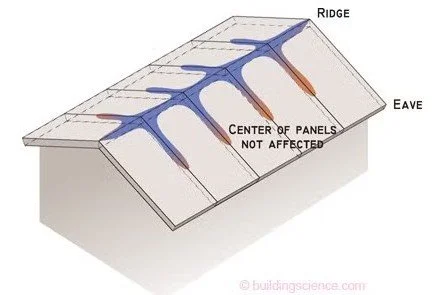
SIP Ridge Rot - Distinctive pattern of moisture damage at roof ridge and at upper panel joint locations.
The term "rot" implies biological decay driven by exterior moisture -- like a wood beam sitting in standing water. That is not what this is. SIP ridge rot is driven by condensation on the interior side of the roofing underlayment. The source of that moisture is not rain. It is the air inside the building. Understanding that distinction is the foundation of every forensic investigation into this failure mode.
The exterior OSB on a SIP roof panel is part of the structural sandwich. It is not decorative. When it deteriorates, the panel loses load-carrying capacity. In roof systems this is a structural concern, not just a cosmetic one.
The Failure Mechanism: How Ridge Rot Develops
Before documenting the field findings, it is worth establishing the failure mechanism -- because it is the mechanism that explains every observation made during the investigation.
Warm, moist air rises inside the building. In winter, interior air carries significant moisture. Because warm air rises, that moisture-laden air moves upward toward the ridge -- which is the highest point of the roof assembly.
Air finds gaps in the ridge joint. The ridge joint in a SIP roof is typically a plumb cut where the panels meet at the peak. If the sealant is incomplete, the SIP tape over the ridge beam was not installed properly or at all, or electrical chases near the ridge were left open, warm, moist air may escape into that joint.
The air hits the cold underside of the roofing underlayment. The underlayment sits between the OSB and the shingles. In winter, that surface is cold. When warm, moist interior air makes contact with it, the moisture condenses -- the same way a cold glass sweats on a humid day.
The exterior OSB absorbs the condensation. That condensed moisture has nowhere to go except into the OSB directly beneath it. This creates a repeated wetting cycle every winter. Over time, if the OSB is not allowed to dry, the OSB swells, the fibers separate, and the OSB begins to deteriorate.
The damage radiates outward. OSB deterioration is worst at the ridge peak, then tapers downward along the spline joints on both sides of the ridge. In severe cases, it can extend 18 to 24 inches down from the ridge before the moisture levels drop off enough to stop the damage.
Stack effect -- the natural pressure difference that pushes warm air toward the top of a building in cold weather -- amplifies every step of this process. A well-sealed ridge in a well-ventilated home may never develop ridge rot. An incompletely sealed ridge in a home with high indoor humidity and an intermittent ERV operation is at significant risk.
A Real Case: What the Investigation Found
The project was a steep-slope, 8/12 roof pitch, SIP roof built on a structural ridge beam. The panels were 10 1/4 inches thick. The roofing system included asphalt shingles over underlayment, with a ridge cap at the peak. The specifications called for continuous sealant and SIP tape at the ridge -- but those details were not confirmed as installed.
The homeowner first noticed staining on the structural ridge beam and a musty smell. A few ridge-cap shingles were also missing. Those missing shingles became the focus of early concern, but they turned out to be a distraction.
What the Field Investigation Showed
A full forensic investigation included moisture mapping, blower-door testing, thermal imaging, borescope inspection at the ridge, core sampling of the roof panel, and inspection of electrical chase terminations. Here is what it found:
Swipe to scroll →
The roofing was intact. The underlayment had not failed. There was no exterior water pathway. Every indicator pointed to the same conclusion: this was a purely air-driven moisture failure that originated inside the building.
The missing ridge-cap shingles were caused by the deteriorated OSB not being able to hold the roofing nails. Once that is understood, it becomes clear why replacing the shingles alone accomplishes nothing. You have not addressed the source of the deterioration.
What Made This Failure Worse
This investigation identified a cluster of contributing factors that amplified the damage. Each factor alone may not have produced visible failure, but together they created conditions where the ridge joint had almost no defense against the failure mechanism.
Swipe to scroll →
Recognizing Ridge Rot: Warning Signs From This Investigation
In this case, visible damage at the ridge was already significant by the time a forensic investigation was initiated. The indicators below were all present -- and several of them appeared well before the OSB deterioration became visible. They are documented here as a reference for others evaluating similar conditions on SIP roofs:
Musty smell near the ridge. This is often the first sign. It appears at various times and is strongest when the wind blows hard, making it easy to dismiss.
Staining on the structural ridge beam. If the ridge beam is visible from inside, dark staining along it can indicate moisture migration from the ridge joint.
Missing or lifting ridge-cap shingles with no obvious wind explanation. If multiple shingles are displaced and the roofing below them appears intact, deteriorating OSB may not be able to hold roofing nails.
Elevated moisture readings at the ridge during moisture mapping. A moisture meter applied to the OSB at the ridge shows significantly higher readings than panels lower on the roof slope. Moisture levels greater than 16% are considered elevated. Moisture levels greater than 19% can support fungal growth.
Thermal imaging showing warm air pathways at the ridge. In cold weather, thermal imaging along with blower-door testing can reveal air moving from interior to exterior at the ridge joint -- before any OSB damage is visible.
If you are seeing any of these in a SIP roof, the next step is a structured investigation, not a roofing repair.
For a broader overview of how and why SIP roofs fail, see our resource page on SIP Problems and Failure Modes.
How This Is Repaired
Ridge rot repairs are not complicated, but they are not simple either. The key is doing them in the right order. Replacing shingles without addressing the air leakage just resets the clock on the same failure.
Step 1: Stop the Moisture Problem First
Before any structural repairs, the indoor humidity situation has to be addressed. If the ERV is not running continuously, start there. Get a humidity monitor and understand what indoor RH levels look like in winter. The target in cold climates is generally below 35 to 40 percent relative humidity during heating season.
Step 2: Remove Roofing at the Affected Ridge
Roofing and ridge cap at the deteriorated area need to come off so the OSB can be assessed and dried. Temporary dehumidification may be needed to bring the OSB to below 15 percent moisture content before repairs proceed.
Step 3: Reconstruct the Ridge Joint
This is the most critical step. Replace deteriorated OSB as needed, then rebuild the ridge joint and air seal properly:
Backer rod and pliable SIP sealant at the lower depth of the plumb cut
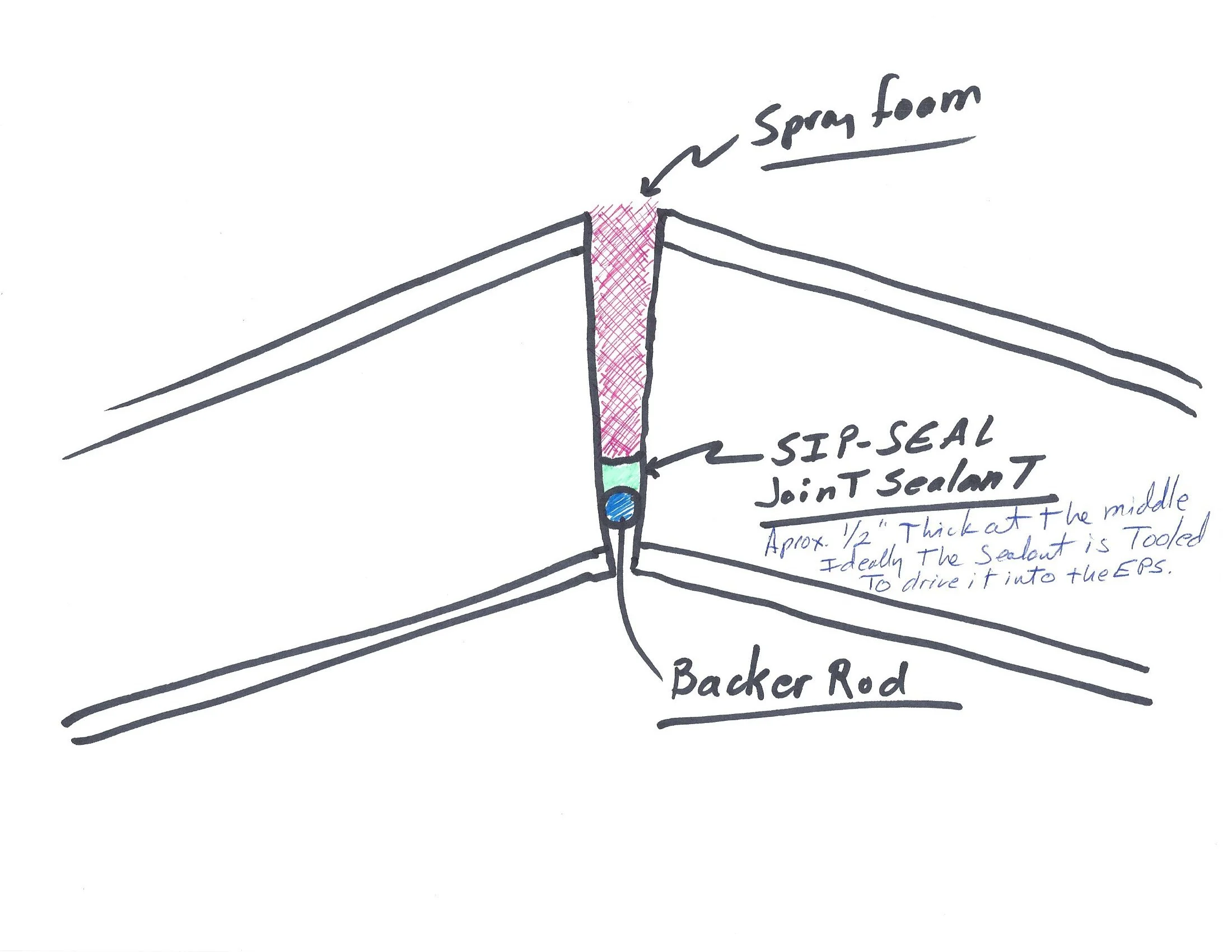
Plumb Cut Ridge Panels
SIP - Seal Joint sealant is a flexible sealant that will not harden with time.
The backer rod is critical to the detail so is tooling the sealant.
Expanding foam applied for the remaining depth of the ridge joint
SIP tape applied continuously over the ridge beam (this may not be possible)
All electrical chase terminations sealed completely
Step 4: Verify With a Blower-Door Test
Before any roofing goes back on, a blower-door test should confirm that the ridge joint is now airtight. If air leakage is still detectable, find it and seal it before proceeding.
Step 5: Reinstall Roofing With High-Perm Underlayment
Reinstall roofing over a high-permeability underlayment to allow any residual moisture in the OSB to dry outward over time. A vented ridge cap is also beneficial here -- not because it fixes the air leakage problem, but because roofing ventilation helps manage any residual moisture in the roofing system.
For more on how SIP roof assemblies should be sealed and detailed at installation, see the SIP Installation Guide in the Resource Hub.
A vented ridge cap ventilates the roofing system. It does not ventilate the SIP core. Do not confuse the two. Adding a vented ridge cap without sealing the ridge joint will not prevent ridge rot. The air pathway has to be closed first.
Lessons From This Case: What Should Have Been Done Differently
This failure was preventable. Every element that contributed to it was addressable at the time of installation, or shortly after, with standard SIP best practices. The following are the specific failures this investigation identified -- documented here as a resource for builders, designers, and SIP owners evaluating similar assemblies:
The ridge joint must be continuously sealed -- and that sealing must be verified by the installer. That means sealant at the full depth of the plumb cut, SIP tape over the ridge beam, and documented confirmation it was completed. Specifications on paper are not the same as verified installation. This is the installer's responsibility and the single most critical detail in a SIP roof assembly.
Electrical chases must be sealed by the installer after wiring is complete. Open chases near the ridge are warm-air delivery channels directly into the most vulnerable part of the roof. This step is straightforward and inexpensive. Skipping it is a significant installation error.
A blower-door test should be required at SIP installation completion. There is no substitute for measured verification. A properly executed blower-door test would have identified the air leakage in this case before a single heating season passed -- and before any OSB damage occurred.
ERV/HRV systems must run continuously in cold climates during the winter. An intermittently operated ventilation system may not be controlling indoor humidity. In a tight SIP home in a cold climate, continuous mechanical ventilation is not optional -- it is part of how the building is designed to function.
Indoor humidity should be monitored by the homeowner. A basic humidity monitor costs almost nothing compared to a ridge rot remediation. Maintaining indoor RH below 35 to 40 percent during heating season is the simplest ongoing step a homeowner can take to protect a SIP roof assembly.
For a deeper look at how moisture behaves in SIP assemblies and what it does to OSB over time, learn more on SIP Energy Performance and Moisture Management.
Frequently Asked Questions
What causes SIP ridge rot?
SIP ridge rot is caused by warm, moist interior air leaking through an incompletely sealed ridge joint, condensing on the underside of the roofing underlayment, and being absorbed by the exterior OSB of the SIP roof panel. The result is a repeated wetting cycle every heating season that progressively deteriorates the OSB at the ridge line and along adjacent spline joints. It is an air-driven, installation-driven failure -- not a flaw in the SIP system and not caused by exterior water intrusion.
Is SIP ridge rot a problem with the SIP panels themselves?
No. SIP ridge rot is caused by incomplete installation -- specifically, failure to fully air seal the ridge joint during construction. When the ridge joint is properly sealed with continuous sealant, SIP tape over the ridge beam, and verified with a blower-door test, this failure mode does not occur. The SIP panels in this case were not defective. The installation detail was not completed correctly.
Do missing ridge-cap shingles cause SIP ridge rot?
No. Missing ridge-cap shingles are a symptom of OSB deterioration, not its cause. When the OSB beneath the ridge cap swells and loses integrity from repeated moisture cycling, it cannot hold roofing nails. The shingles should be replaced, but replacing them alone does nothing to address the underlying installation deficiency driving the rot.
Does a vented ridge cap prevent SIP ridge rot?
No. A vented ridge cap ventilates the roofing system between the underlayment and the shingles. It does not ventilate the SIP core and does not prevent air-driven condensation at the ridge joint. Preventing ridge rot requires the installer to seal the ridge joint completely -- a vented ridge cap above an unsealed joint accomplishes nothing in terms of preventing this failure.
How does indoor humidity contribute to SIP ridge rot?
Higher indoor humidity means the air leaking through an unsealed ridge joint carries more moisture. More moisture reaching the cold underside of the underlayment means more condensation and more water absorbed by the OSB each winter. In cold climates, indoor relative humidity during heating season should be kept below 35 to 40 percent. Continuous ERV/HRV operation and a humidity monitor are the most practical ways to manage this.
How is SIP ridge rot repaired?
Repairs require removing roofing at the affected ridge area, drying the OSB to below 15 percent moisture content, replacing deteriorated OSB as needed, and completely reconstructing the ridge joint air seal with continuous sealant, expanding foam, and SIP tape. All electrical chase terminations near the ridge must be sealed. A blower-door test confirms airtightness before roofing goes back on. High-permeability underlayment is recommended to allow residual drying.
Can SIP ridge rot happen even if the roof does not leak?
Yes, and in most cases it does. SIP ridge rot is driven by air leakage from inside the building, not by rain or exterior water entry. The roof in this case was completely watertight -- intact shingles, sound underlayment, tight flashing -- and significant OSB deterioration still developed. The unsealed ridge joint was the only entry point that mattered.
How do I know if my SIP roof has ridge rot developing?
Early warning signs include a musty smell near the ridge during cold weather, staining on the structural ridge beam, and unexplained displacement of ridge-cap shingles. A blower-door test, thermal imaging in cold weather, and moisture mapping of the ridge OSB can identify air leakage and elevated moisture before visible structural damage develops. If you are seeing any of these signs, the appropriate next step is a forensic inspection -- not a roofing patch.
Concerned About Your SIP Roof?
If you are seeing signs of ridge damage, moisture staining, or unexplained shingle displacement on a SIP roof, a forensic inspection can identify whether air leakage is involved -- before the OSB is compromised beyond repair.
Talk to a SIP Forensic EngineerRelated Resources:
SIP Problems and Failure Modes -- An overview of the most common ways SIP assemblies fail and how to recognize them
SIP Installation Guide -- How SIP roofs should be sealed, taped, and detailed to prevent air leakage
SIP Energy Performance and Moisture Management -- How moisture behaves in SIP assemblies and what it does to OSB over time
SIP Building Codes and Compliance -- Code requirements relevant to SIP roof assemblies and ventilation
How SIP Forensic Analysis Works -- A full explanation of the forensic investigation process for SIP failures