

SIPs for Rental Housing: A Build-to-Hold Developer's Guide
If you're building rental housing to hold, not flip, your material choices carry decades of consequences. See why small and emerging developers are turning to SIPs to cut maintenance, lower utility costs, and keep tenants renewing, backed by a real 54-unit case study in Luverne, MN.
By Joe Pasma, P.E. | PGS Consulting LLC | SIP Engineering & Consulting | Published August 12, 2026, Updated October 20
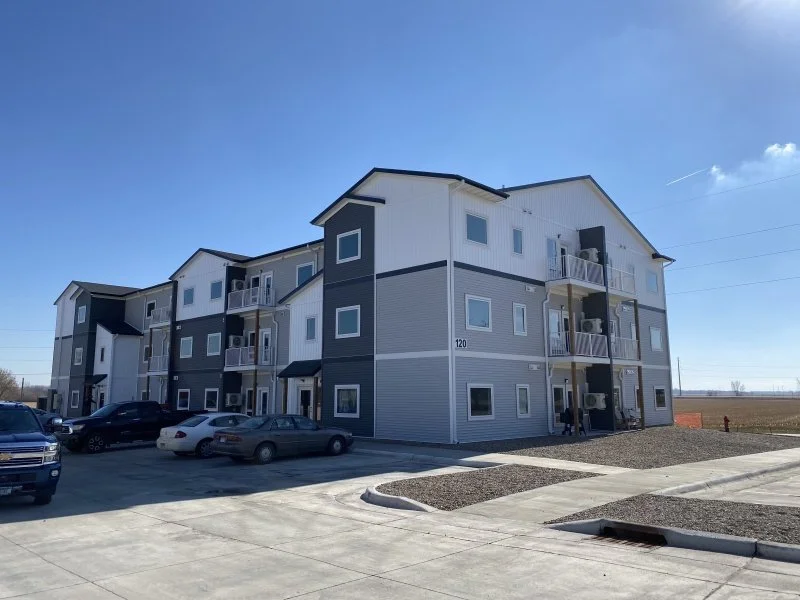
Housing Development in Luverne, MN | PrairiE Lofts| SIPs manufactured by Extreme Panel Technologies
If you are building rental housing to sell it off in two years, your building material decisions probably look different than if you are building to hold. But if you are building to hold, meaning you plan to own and operate the property for the long haul, the calculus changes completely. Every choice you make now either saves you money for decades or costs you money for decades. There is not much middle ground.
Structural Insulated Panels, or SIPs, are one of those decisions. They are not the cheapest option on day one, and they are not the most familiar option to every contractor. But for developers building duplexes, small multifamily, workforce housing or ADUs, they intend to keep, SIPs solve three problems at once: they reduce maintenance, lower utility costs, and keep renters around longer. Here is why, in plain terms.
Key Takeaways
Developers who build to hold care about decade-long performance, not just move-in day, and the building envelope drives most of what happens to a rental property after year one.
SIPs create a tighter envelope with no open wall cavities, which cuts down on the drafts, moisture and mold problems, and pest entry points that generate most rental maintenance calls.
Independent research cited by SIP manufacturers points to 40 to 60 percent lower heating and cooling costs compared to code-built construction, which supports both net operating income (NOI) and tenant satisfaction.
A real 54-unit SIP apartment project in Luverne, Minnesota tested at 1.35 ACH50 and qualified for the federal 45L energy tax credit, showing this is not just theoretical.
Faster dry-in times can shorten construction schedules, which lowers interest carry and gets a property to lease-up sooner.
What "Build to Hold" Actually Changes About Your Material Choices
A merchant builder who plans to sell within a year or two is mostly optimizing for construction cost and speed to close. A build-to-hold developer is optimizing for something different: total cost of ownership. That includes maintenance calls, utility bills you might be covering, vacancy from unhappy tenants, and capital repairs 10 or 20 years down the road.
Most of those long-term costs trace back to one thing: the building envelope. The walls, roof, and how airtight the whole assembly is. Get that part right, and everything downstream gets easier. Get it wrong, and you will be chasing problems for the life of the building.
SIPs Cut Rental Maintenance Down to the Basics
Walk through the maintenance requests at almost any rental property, and you will see a pattern: drafts, moisture stains, musty smells, pests finding their way into wall cavities. Nearly all of it comes back to gaps, cracks and cavities in a conventional stick-built wall.
SIPs are built differently. Each panel is a solid sandwich of insulation between two structural skins, manufactured off-site under controlled conditions. There is no open wall cavity for moisture to collect in, no loose-fill insulation that settles over time, and far fewer seams for air (and pests) to find their way through.
That does not mean a SIP building needs zero maintenance. Mechanical systems still need service, and ERV filters still need changing. But the number of maintenance calls that trace back to the envelope itself tends to drop sharply, which is exactly the kind of predictability a build-to-hold owner wants.
The developers who call me with the fewest problems are usually the ones who treated the envelope as structure, not just insulation. A tight, well-detailed SIP shell does most of the work before a tenant ever moves in. The ones who call me with the most problems almost always cut a corner somewhere in the details: a seam, a penetration, a transition that wasn't sealed the way it should have been. The panels themselves are rarely the issue.
-- Joe Pasma, PELower Utility Costs Mean Higher NOI and Fewer Unhappy Tenants
An airtight envelope with continuous insulation means the building loses less conditioned air. That shows up directly on utility bills. Research cited by SIP manufacturer Premier SIPS, referencing analysis tied to Oak Ridge National Laboratory's Building America program, puts the difference at roughly 40 to 60 percent lower heating and cooling energy use compared to code-built construction. Actual savings will depend on climate, design, and how the mechanical systems are set up, but the direction of that number is well established in the industry.
For a build-to-hold owner, that matters in two ways. If you cover utilities, your operating costs go down and your net operating income improves. If tenants pay their own utilities, they end up with lower bills, which means fewer complaints and a real reason to renew their lease instead of shopping around.
← Swipe to view full table →
| Category | Typical Stick-Built Rental | SIP-Built Rental |
|---|---|---|
| Air leakage | Drafts and infiltration common, especially at rim joists and penetrations | Continuous panel skins with taped seams create a much tighter envelope |
| Heating and cooling costs | Baseline code performance | Roughly 40 to 60 percent lower energy use in independent research citing DOE Building America data |
| Mold and moisture risk in walls | Open cavities can trap moisture if the assembly isn't detailed carefully and installed properly | No open cavity for moisture to collect in, though flashing and sealing details still matter |
| Framing and dry-in time | Built piece by piece on site, weather-dependent | Up to 55 percent faster install per Premier SIPS, since panels arrive pre-insulated |
| Sound transmission between units | Varies widely by framing and insulation quality | Airtight assembly generally reduces sound transfer |
Quieter, More Comfortable Units Keep Renters From Leaving
Comfort is easy to overlook and hard to overstate. Tenants rarely list "airtightness" as a reason they renewed their lease, but they absolutely notice when a unit is not drafty, not noisy, and does not have a cold room in the winter or a hot room in the summer. An airtight envelope, paired with a properly designed ventilation system, delivers all three without the tenant needing to know why.
A tight envelope only works if it is paired with real mechanical ventilation. Without it, a tightly sealed building can trap stale air and humidity instead of just conserving energy. Well-built SIP rental projects typically pair the envelope with a balanced Energy Recovery Ventilator (ERV), which brings in fresh air and exhausts stale air while recovering most of the energy that would otherwise be lost in the exchange.
Real-World Proof: PrairiE Lofts in Luverne, Minnesota
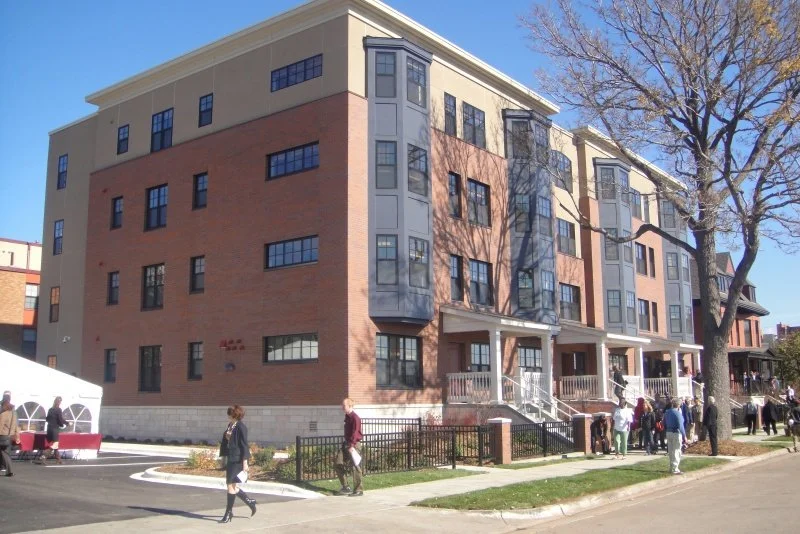
It is one thing to talk about SIP performance in theory. It helps to see it in an actual building. PrairiE Lofts, a 54-unit workforce housing development in Luverne, Minnesota, was built with SIPs manufactured by Extreme Panel. PGS Consulting LLC was not involved in this project; it is referenced here as independent third-party proof of SIP performance, not PGS Consulting LLC's own work. We do collaborate with the consultant that put this project together.
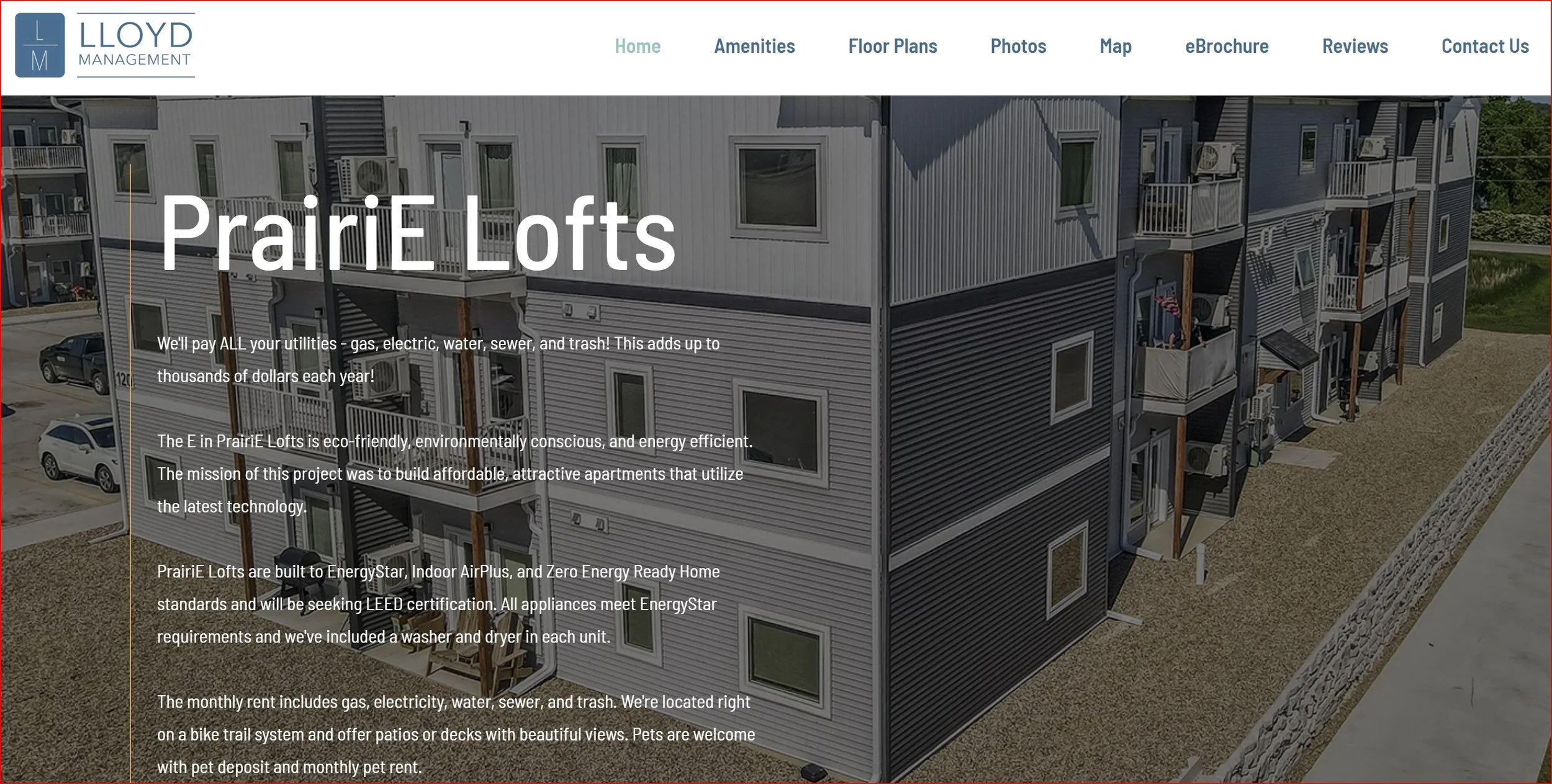
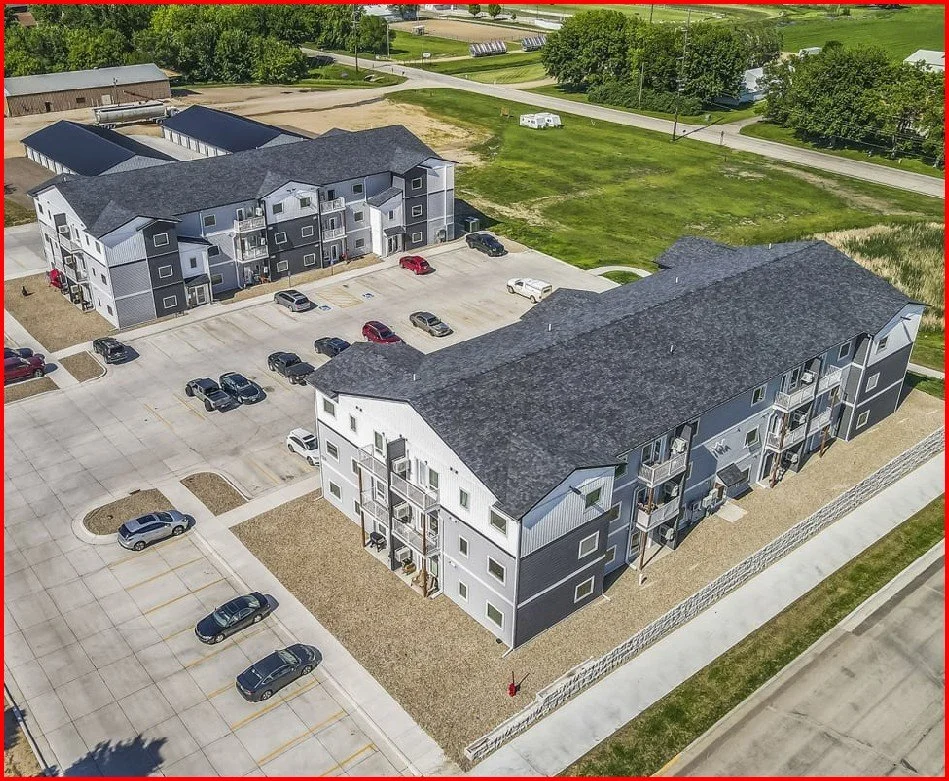
According to the project's published performance data, PrairiE Lofts tested at an average of 1.35 ACH50 on blower door testing, a strong airtightness result, and achieved a HERS Index that qualified the project for the federal 45L energy efficiency tax credit. The project targeted EnergyStar, Indoor AirPlus, and Zero Energy Ready Home certification, and each unit uses a balanced ERV to manage fresh air without sacrificing efficiency. The project went on to win the Structural Insulated Panel Association's (SIPA) 2023 Building Excellence Award for Best Overall Non-Residential project.
This is the kind of result build-to-hold developers should be looking for: a documented, third-party verified example of low air leakage, energy performance strong enough to qualify for a federal tax credit, and a project built specifically as affordable rental housing, not a custom home.
Thinking about SIPs for your next rental project? Every build-to-hold project is different. Unit mix, climate, financing structure, and how long you plan to hold the asset all change the math. Talk to Joe Pasma, PE for an independent SIP project review with no manufacturer affiliation, so you get a straight answer before you commit to a building method.
Faster Construction Lowers Your Carrying Costs
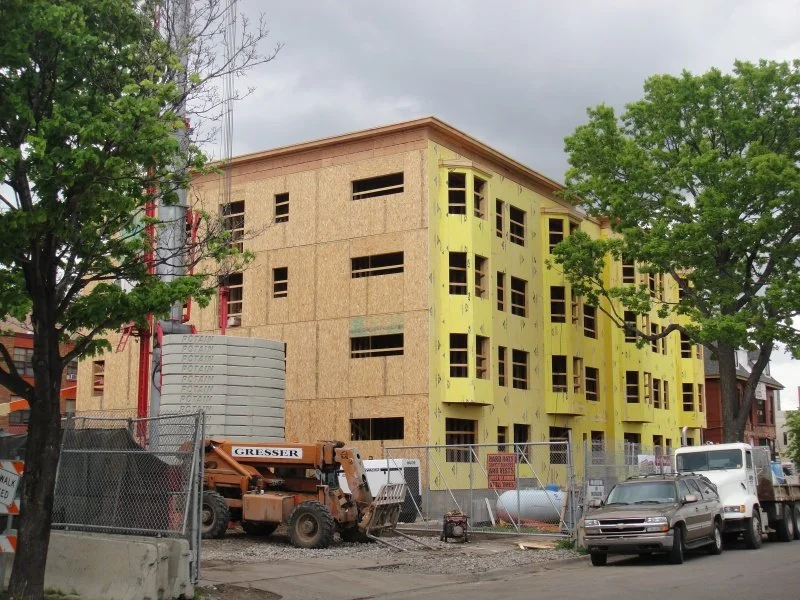
Time is money on any construction project, but it hits small developers harder because there is less margin to absorb delays. Panelized SIP construction is fabricated off site and arrives ready to set, which can shorten framing and dry-in time significantly. Premier SIPS reports installation up to 55 percent faster than comparable stick framing.
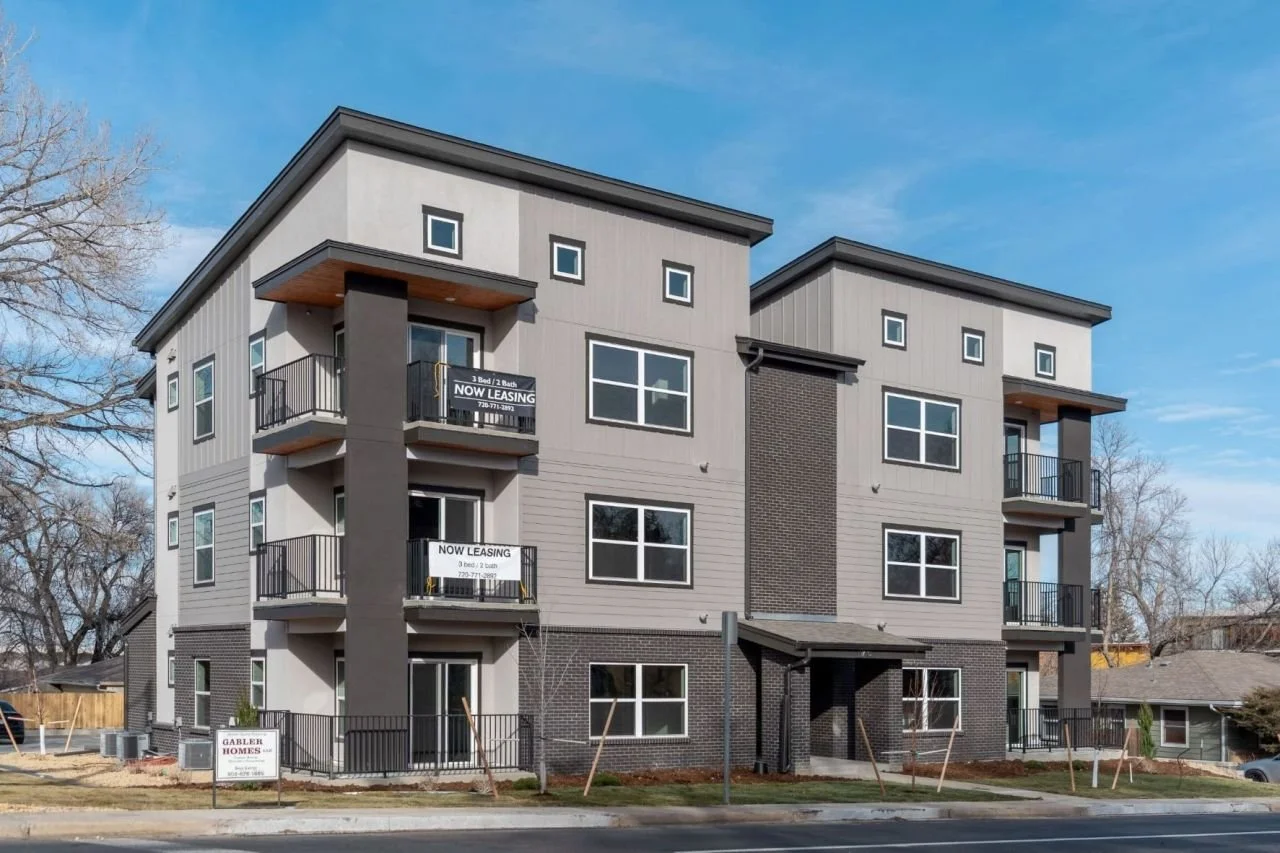
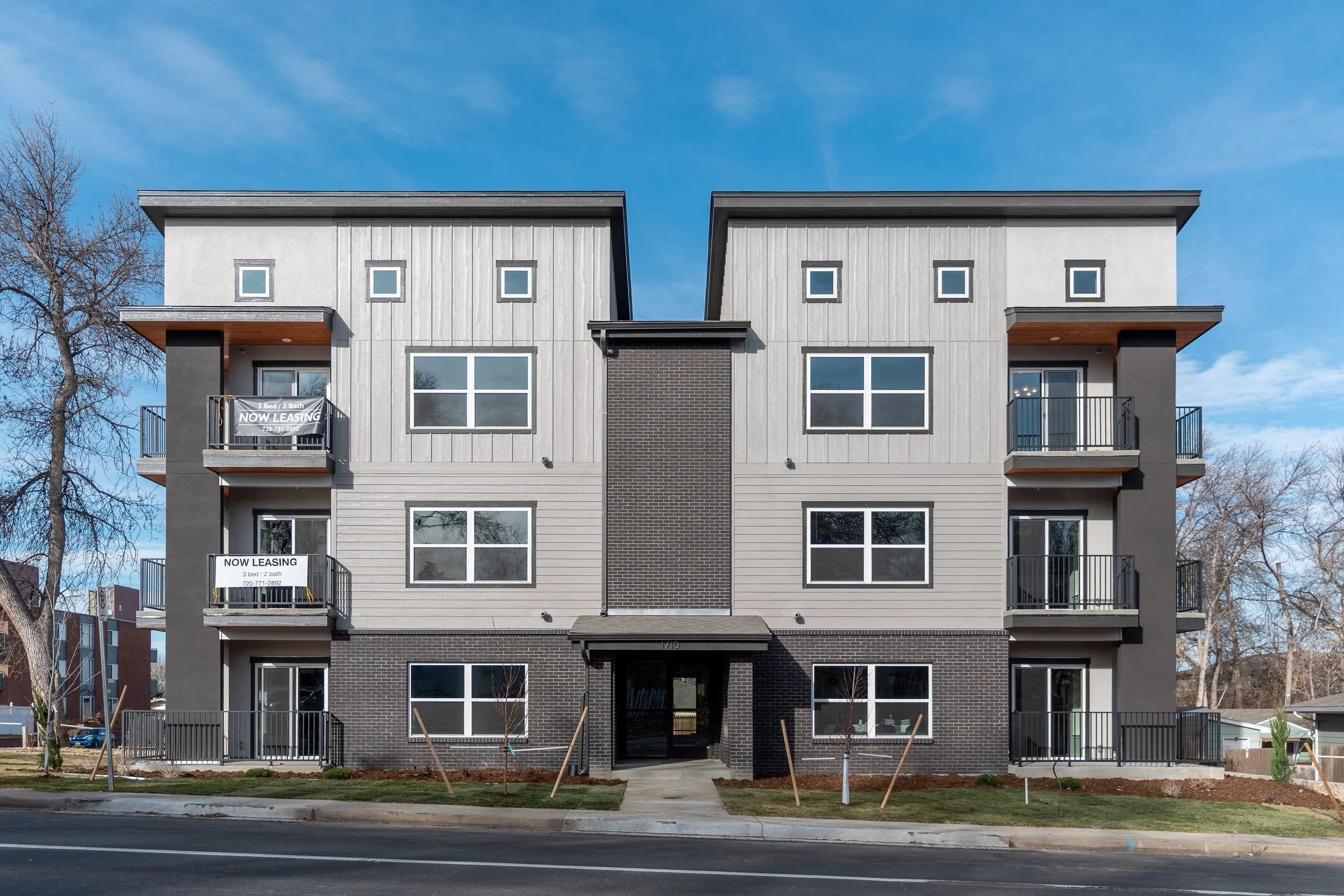
A shorter schedule means less interest paid on construction financing, fewer weather-related delays, and an earlier move to lease-up. For a developer self-funding or carrying debt on a project, that schedule compression is real money, not just a nice-to-have.
What Does a SIP Build Actually Cost?
Before you run the numbers on a build-to-hold project, see how SIP construction costs compare to stick framing, where the upfront premium shows up, and where it pays you back over time.
Read the SIP Cost GuideSIPs Age Better, Which Means Fewer Surprises in Year 10 or Year 20
Build-to-hold ownership means you are still on the hook for this building well past the warranty period. That is where envelope quality really pays off. A well-built SIP structure avoids the failure modes that tend to show up down the road: hidden moisture intrusion, mold behind drywall, thermal bridging that stresses HVAC systems, and pest pathways that go unnoticed for years. None of that is unique to SIPs specifically, poor detailing can create problems in any assembly, but a well-detailed SIP envelope gives you fewer places for those problems to start. That means fewer surprise capital expenditures and a building that holds its value better.
The Bottom Line for Build-to-Hold Developers
SIPs are not a marketing gimmick, they are a genuine operational strategy for anyone planning to own rental housing long term. Lower maintenance, lower utility costs, quieter and more comfortable units, faster construction, and a building that ages well: those are not separate benefits, they are all downstream of the same decision to build a tighter, better-detailed envelope from the start.
If your goal is a rental property that costs less to run, keeps tenants renewing, and does not surprise you with capital repairs 15 years in, SIPs deserve a serious look before you finalize your building method.
Related SIP Resources
Frequently Asked Questions
What makes SIPs a good fit for developers who build to hold rental property?
SIPs create a tighter, more consistent building envelope than typical stick framing. That means less air leakage, fewer places for moisture and pests to get in, and lower heating and cooling costs. For a developer who plans to own and operate a property for decades rather than sell it, that translates into more predictable maintenance budgets and stronger net operating income (NOI) over time.
How do SIPs reduce maintenance costs in rental housing?
Most rental maintenance problems trace back to the building envelope: drafts, moisture intrusion, and thermal weak spots. SIPs are built as solid, pre-insulated panels with no open wall cavities, which removes a lot of the hidden pathways where moisture, mold, and pests typically get a foothold. Owners still need to budget for normal upkeep like filters and mechanical systems, but envelope-related callbacks tend to be far less frequent.
Do SIPs actually lower utility costs?
Independent research cited by SIP manufacturers, including analysis referencing Oak Ridge National Laboratory's Building America program, has found SIP-built homes use roughly 40 to 60 percent less energy than comparable code-built homes. Actual results depend on climate, building design, mechanical systems, and how the envelope is detailed, so any specific project should be evaluated on its own performance data rather than assumed.
Are SIP buildings quieter and more comfortable for tenants?
Yes, generally. A tighter envelope reduces outside noise and sound transfer, and it removes many of the drafts and hot or cold spots that come from air leakage. Paired with balanced mechanical ventilation, this also tends to improve indoor air quality. Renters usually cannot explain why a unit feels more comfortable, they just notice that it does and they don’t want to leave.
How much faster is SIP construction compared to stick framing?
SIP manufacturer Premier SIPS reports that panelized construction can install up to 55 percent faster than traditional stick framing, since panels arrive pre-cut and pre-insulated for assembly rather than being built piece by piece on site. Faster dry-in reduces exposure to weather delays and shortens the time a developer is paying interest on construction financing before a property starts generating rent.
Is there a real-world example of SIPs used in rental or multifamily housing?
Yes. PrairiE Lofts, a 54-unit workforce housing development in Luverne, Minnesota, was built using SIPs and achieved a blower door test result of 1.35 ACH50, along with a HERS Index that qualified the project for the federal 45L energy efficiency tax credit. The project targeted EnergyStar, Indoor AirPlus, and Zero Energy Ready Home certification and won SIPA's 2023 Building Excellence Award for Best Overall Non-Residential project.
Planning a Build-to-Hold Rental Project?
PGS Consulting LLC collaborates with consultants that provide High-Performance Multi-family Development Consulting. PGS Consulting LLC also provides independent SIP structural engineering, project review, and forensic assessment, backed by 40+ years of engineering, manufacturing, and installation oversight experience.
Talk to Joe Pasma, PE