

Why Structural Insulated Panels (SIPs) Create Faster, More Energy Efficient Building Envelopes
Why Structural Insulated Panels (SIPs) Create Faster, More Energy Efficient Building Envelopes
Editor’s Note: This article is adapted from an article originally written by Joe Pasma, PE, and published in Green Homebuilder in 2015. The content has been updated to reflect current building practices and industry context.
For most residential construction in the United States, stick framing has long been the standard approach. Builders understand it, materials are widely available, and the process is familiar across the industry.
At the same time, the expectations placed on buildings today have changed. Energy codes are stricter, labor shortages are affecting job sites, and builders are under increasing pressure to deliver homes that perform better and waste less energy.
Because of these changes, more builders are exploring advanced building envelope systems such as Structural Insulated Panels, commonly known as SIPs.
SIPs combine structure and insulation into a single panel system. When designed and installed correctly, they simplify the building envelope while improving performance and construction efficiency.
Builders often discover that SIPs solve several problems at the same time. They help create tighter buildings, improve insulation performance, and speed up the framing stage of construction.
Key Takeaways: Why Builders & Developers Use SIP Building Envelopes
• SIPs create tighter building envelopes because they reduce the number of joints where air leakage can occur.
• Continuous insulation across the panel reduces thermal bridging that occurs with traditional framing.
• Factory-manufactured panels allow builders to install walls and roofs significantly faster.
• Pre-cut openings and integrated electrical chases simplify construction.
• Reduced framing labor helps address the skilled labor shortages affecting the construction industry.
• Improved airtightness and insulation can reduce heating and cooling demand.
Why Airtightness Matters in Building Performance
One of the biggest advantages of SIP construction is airtightness.
Energy codes across the United States continue to place greater emphasis on controlling air leakage. Air that moves uncontrolled through a building envelope carries heat, moisture, and energy costs with it.
For example, California’s Title 24 Building Energy Efficiency Standards require that joints, penetrations, and openings in the building envelope be sealed to limit infiltration and exfiltration.
Similarly, the International Energy Conservation Code (IECC) requires blower door testing to verify air tightness in residential construction.
Meeting these air leakage targets with traditional framing is possible, but it requires careful detailing and significant attention during construction.
SIP construction simplifies the process.
Because SIP walls consist of continuous insulation sandwiched between structural facings, there are fewer joints and fewer pathways for air to move through the wall assembly. When the panels are sealed properly during installation, the building envelope becomes much easier to tighten.
Research from Oak Ridge National Laboratory
Research from the U.S. Department of Energy’s Oak Ridge National Laboratory (ORNL) has demonstrated how airtight SIP construction can be.
Testing conducted by ORNL found that SIP structures can be significantly more airtight than traditionally framed walls insulated with fiberglass batts.
In one evaluation, a SIP structure showed an air leakage rate of only eight cubic feet per minute at 50 Pascals of pressure. A comparable stick-framed wall showed a leakage rate of 121 cubic feet per minute. This is saying that the stick-framed walls were 15 times leakier than the SIP structure.
Research like this highlights one of the key benefits of SIP construction. Fewer joints and simpler wall assemblies make it easier to create a tight building envelope.
For homeowners, that typically means lower heating and cooling demands and a more comfortable indoor environment.
Whole Wall Performance Matters
Another important difference between SIP construction and traditional framing involves how insulation performance is measured.
Many discussions about insulation focus on the R value of the insulation material itself. In reality, what matters most is the performance of the entire wall assembly.
Traditional framing introduces thermal bridges through studs, plates, and headers. Heat moves through those structural members much more easily than it moves through insulation.
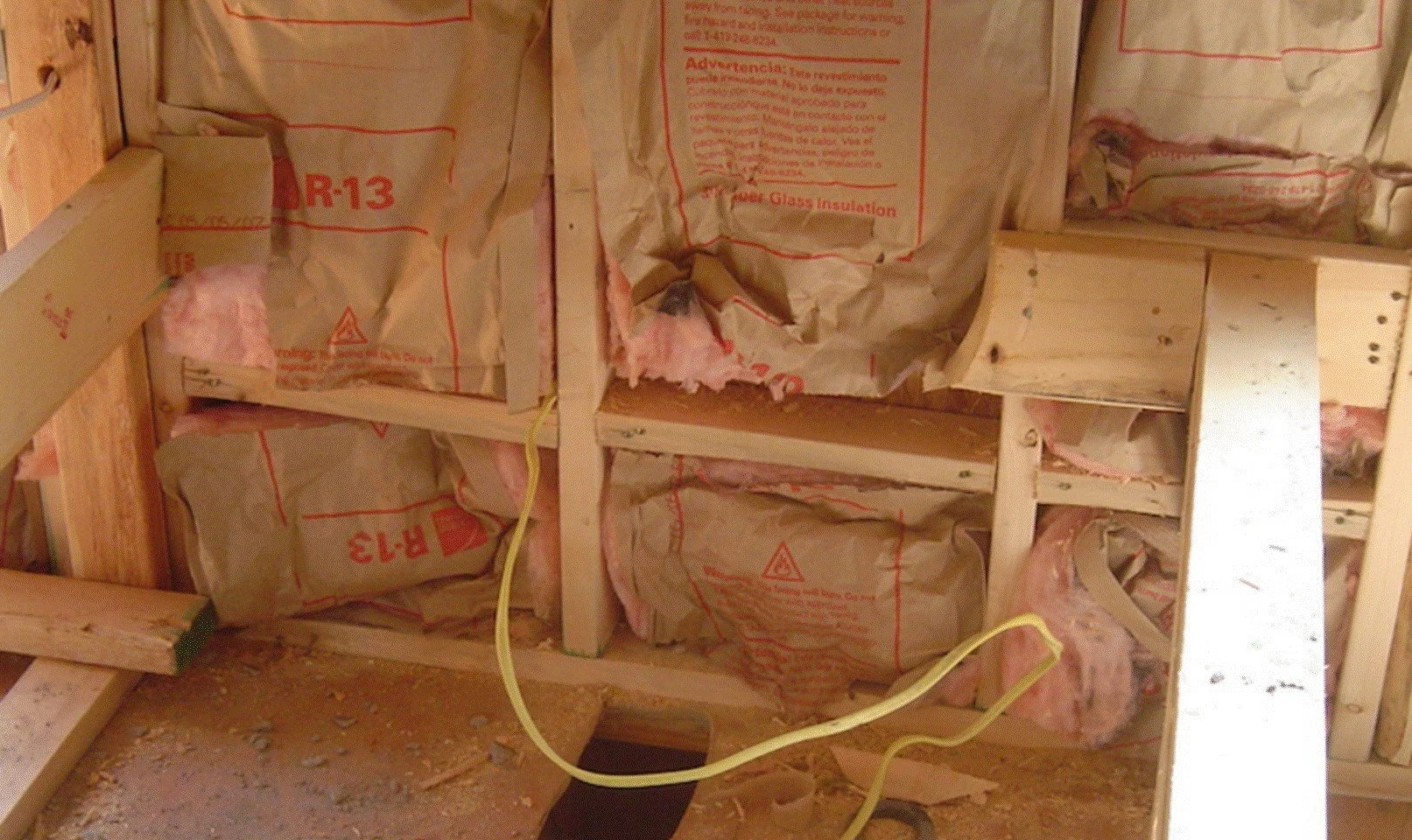
Traditionally framed wall with poorly installed batt insulation and thermal bridging of the 2x framing members.
SIPs reduce this problem because the insulation layer is continuous across the panel.
Because there are fewer framing interruptions, the insulation performs closer to its intended value across the entire wall.
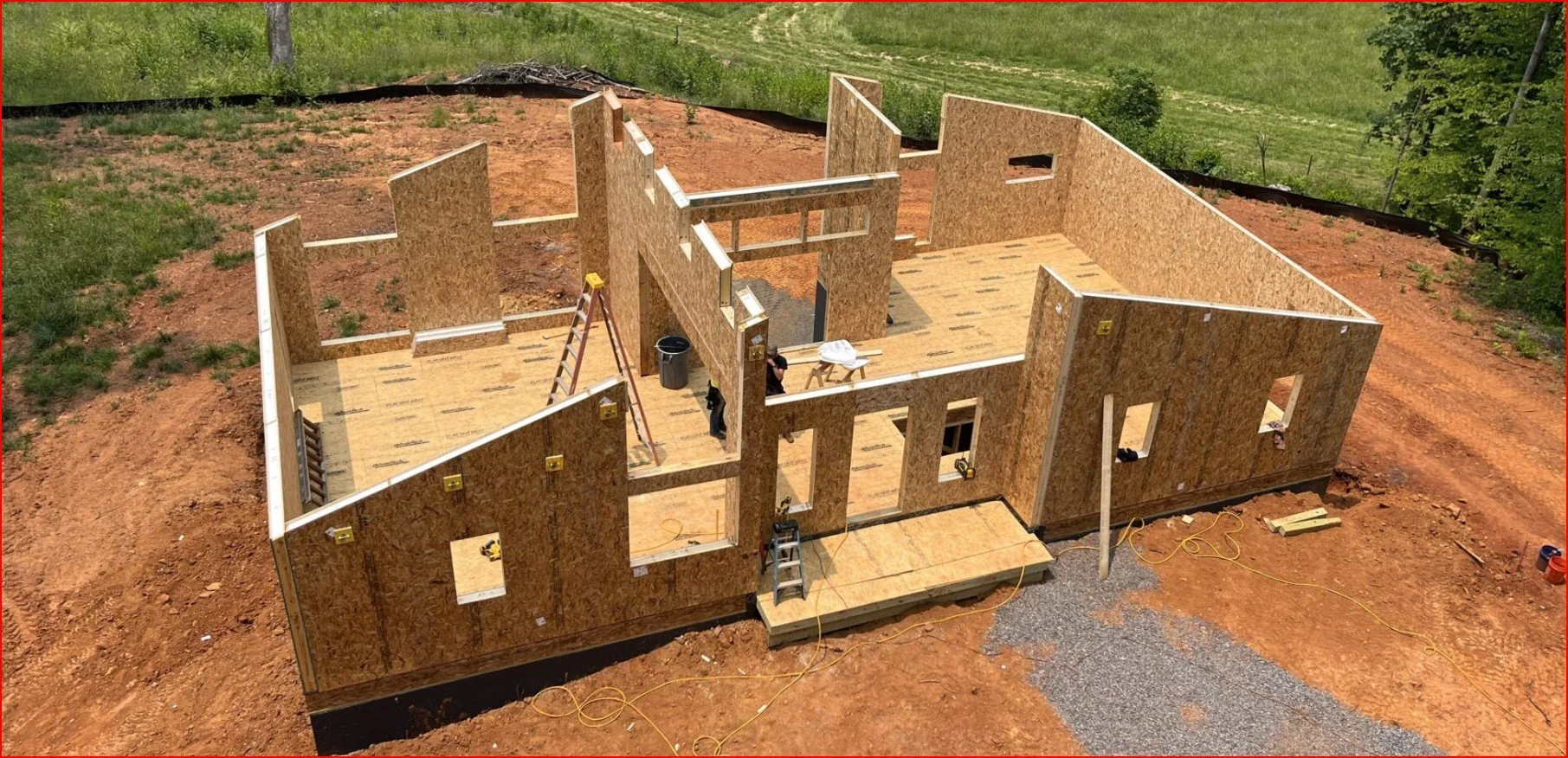
SIPs with reduced thermal bridging.
For builders and homeowners, that means a building envelope that holds conditioned air more effectively and reduces heating and cooling demand.
Thinking about using SIPs on a project?
If you are evaluating Structural Insulated Panels or exploring panelized construction, Joe is always happy to talk through the technical considerations and help teams understand their options.
Why SIP Construction Speeds Up the Framing Process
In addition to energy performance, SIP construction can significantly reduce framing time.
Panels are manufactured off-site and delivered to the jobsite pre-cut according to the project plans. Window and door openings are typically cut during manufacturing, and electrical chases are often built into the panels.
Instead of assembling walls one stud at a time, crews install large structural panels that can span several feet in both directions.
Entire wall and roof sections can often be installed in hours rather than days.
Builders often describe the process as assembling a structure like a puzzle. Each panel is labeled and corresponds to a specific location in the building.
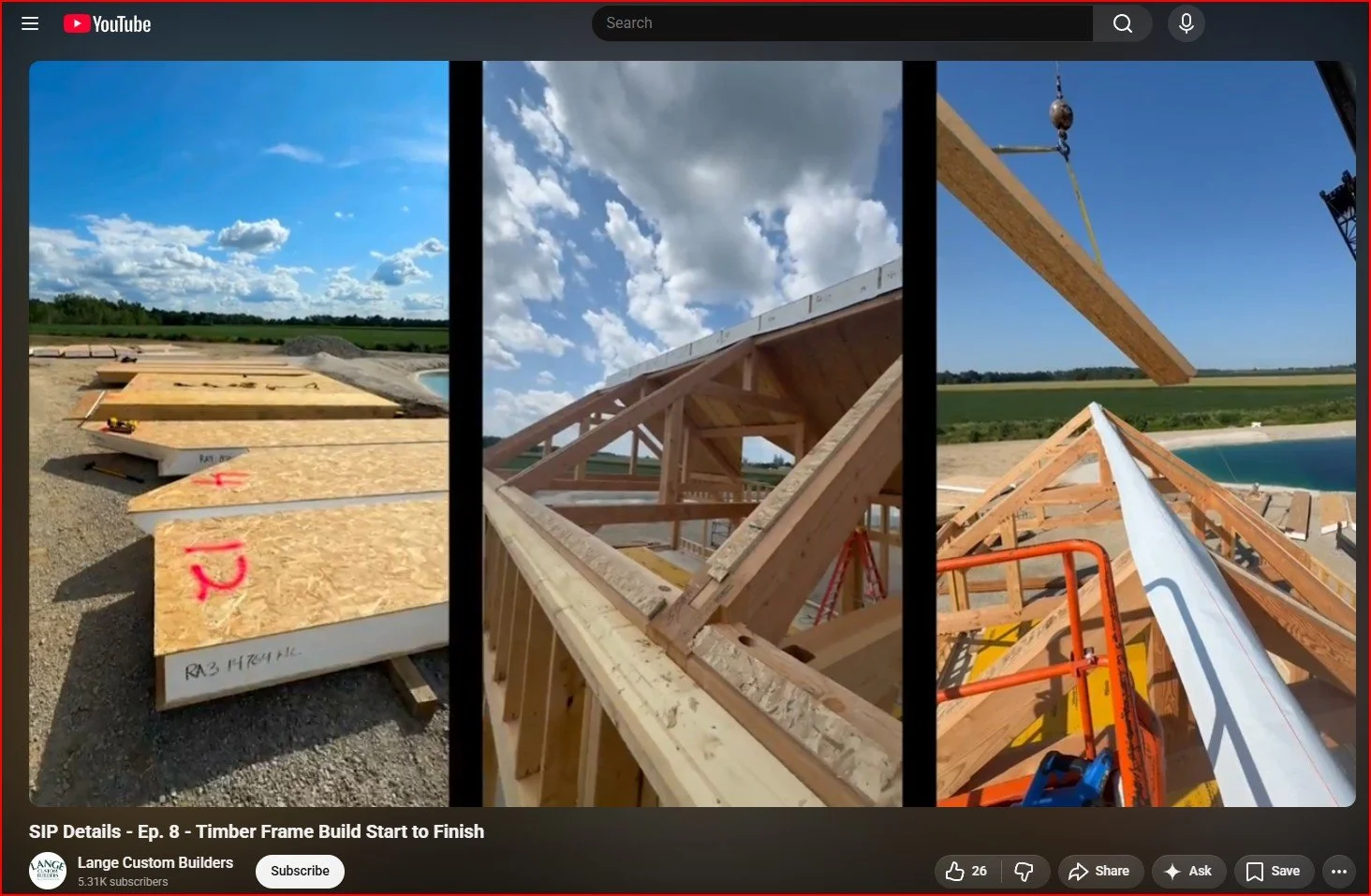
Lange Construction setting large format SIP roof panels.
This approach reduces on-site cutting, limits jobsite waste, and helps construction crews move through the framing stage more efficiently.
Addressing the Skilled Labor Shortage
Labor shortages continue to affect construction projects across the United States.
Traditional framing requires crews to measure, cut, and assemble large quantities of lumber on site.
SIP construction reduces much of that complexity.
Because the panels arrive ready for installation, crews spend less time performing repetitive framing tasks. Openings are already cut, and the structural and insulation components are combined into a single system.
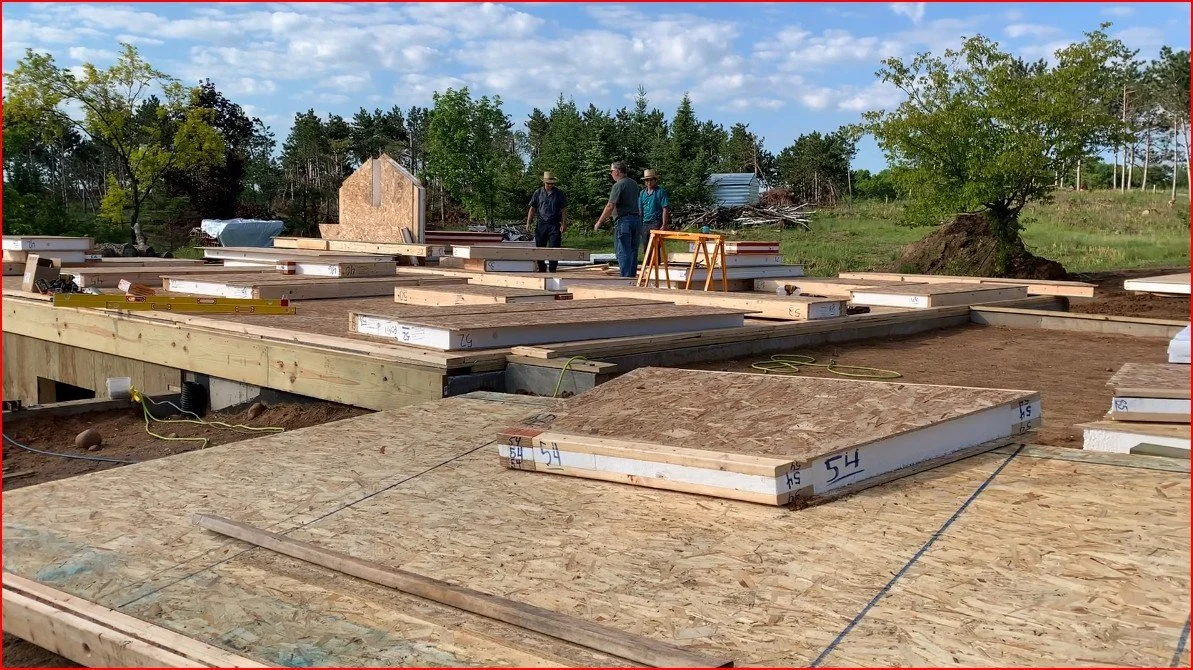
SIP panels arrive ready for installation
This does not eliminate the need for skilled tradespeople, but it can significantly reduce the amount of labor required to complete the framing stage of a project.
For many builders, this efficiency is becoming just as important as the energy performance advantages.
What Builders & Developers Should Know About Cost
Builders often ask whether SIP construction costs more than traditional framing.
The answer depends on how the project is evaluated.
Panel materials may cost more than the lumber used in stick framing. However, when labor savings, shorter construction timelines, and reduced jobsite waste are considered, the overall project cost is often comparable.
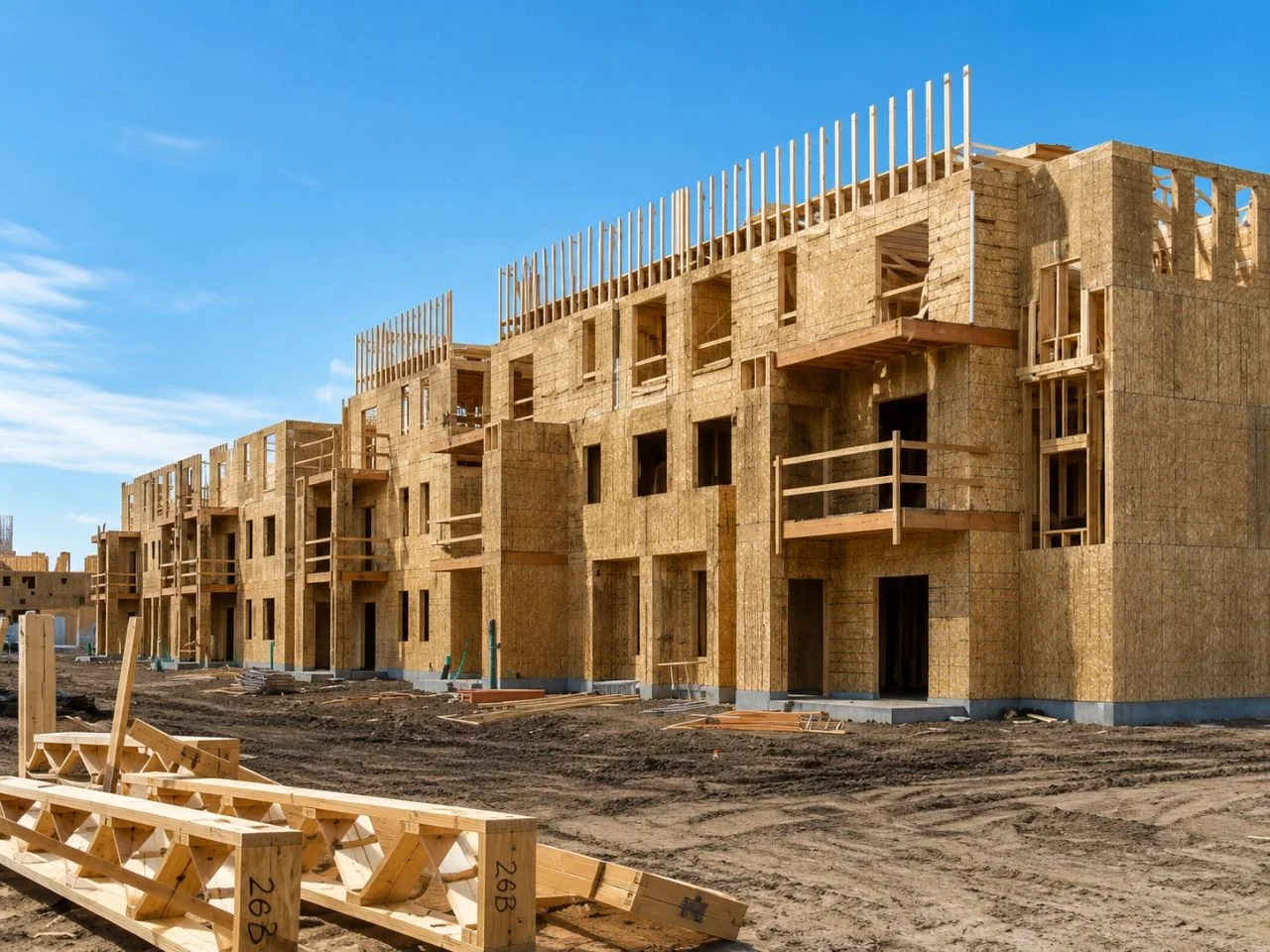
Grand Families Place - Phoenix, AZ
SIPs designed, manufactured and supplied by Premier SIPs
A tighter building envelope can also enable smaller heating and cooling systems, potentially reducing mechanical equipment costs.
Over the life of the building, improved insulation and airtightness can also reduce energy expenses for homeowners.
For many projects, the conversation shifts from the cost of materials to the value of the complete building system.
A Systems Approach to Building Performance
One of the most important lessons from working with SIP systems over many years is that building performance rarely depends on a single component.
Performance depends on how the entire system works together.
When SIP panels are properly designed, manufactured, and installed, they offer a straightforward way to build strong, energy-efficient building envelopes with fewer complications during construction.
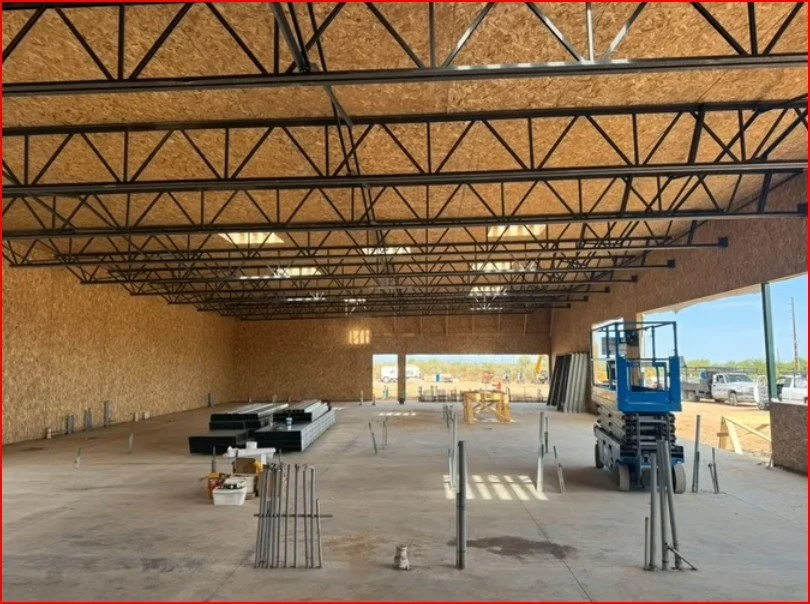
7-Eleven, Queen Creek, AZ
SIPs designed, manufactured, and supplied by PorterSIPs of Holland MI
That combination of simplicity and performance is one reason many builders and developers continue to explore SIP systems as a practical alternative to conventional framing methods.
Frequently Asked Questions About SIP Building Envelopes
Are SIP buildings more airtight than stick-framed homes?
Yes. Research from the U.S. Department of Energy’s Oak Ridge National Laboratory has shown that SIP structures can be significantly more airtight than traditionally framed walls because there are fewer joints and gaps where air can leak through the building envelope.
Do SIPs install faster than traditional framing?
In many projects, they do. SIP panels are manufactured off-site and delivered to the jobsite pre-cut according to the construction drawings. Large structural panels allow crews to assemble walls and roofs much faster than building them piece by piece with traditional framing.
Do SIPs cost more than stick framing?
Panel materials may cost more than traditional lumber, but overall project costs are often similar when labor savings, shorter construction schedules, and reduced waste are considered.
Why do builders & developers choose SIP construction?
Builders and developers often choose SIPs because they provide a strong, well-insulated building envelope that installs quickly and performs well under modern energy code requirements.
Discussing a SIP Project
If you are exploring Structural Insulated Panels or evaluating panelized construction for a project, feel free to reach out. I’m always glad to help teams think through the engineering, manufacturing, and installation considerations that can affect project performance.
About the Author
Joe Pasma, PE is a structural engineer with more than 40 years of experience working with Structural Insulated Panels, advanced building systems, manufacturing processes, and forensic investigations. Through PGS Consulting LLC, he provides advisory support to manufacturers, builders, architects, building owners, and project teams navigating complex building system decisions.