
The Complete List of SIP Manufacturers in North America
By Joe Pasma, PE | PGS Consulting LLC, Licensed Professional Engineer | 40+ Years in SIP Engineering, Manufacturing, and Forensic Analysis
LAST UPDATED: APRIL, 2026
This list includes verified Structural Insulated Panel (SIP) manufacturers across the United States, Canada, and Mexico. Each company listed actively manufactures SIP panels, not just distributes or installs them.
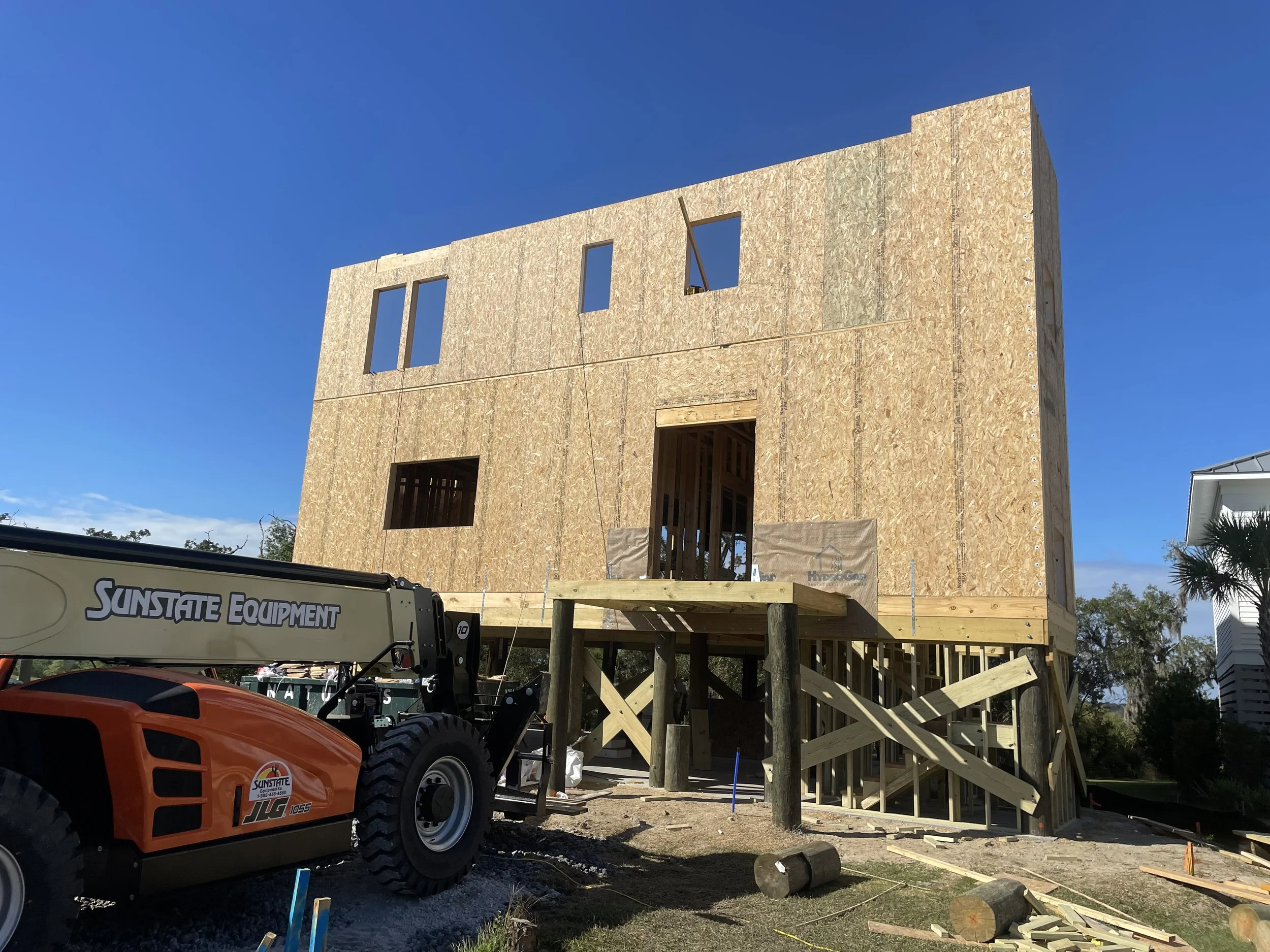
How Many SIP Manufacturers Are in North America?
There are approximately 40 to 45 active Structural Insulated Panel (SIP) manufacturers across North America, including the United States, Canada, and Mexico. This includes manufacturers producing EPS, GPS, PUR/PIR, and MgO-based SIP systems.
Who Are the SIP Manufacturers in North America?
When builders, architects, or manufacturers reach out to PGS Consulting, one of the first questions is usually straightforward: Who actually manufactures Structural Insulated Panels in North America?
The SIP industry includes a mix of manufacturers, resellers, installers, and panelized builders. Many companies offer SIP packages or design services, but do not actually manufacture panels. That distinction matters when evaluating performance, code compliance, and system consistency.
Because the industry is relatively fragmented, publicly available lists are often incomplete, outdated, or include companies that are no longer producing SIPs.
How This SIP Manufacturer List Was Built
To provide a clearer picture of the industry, this list was developed through a combination of:
• SIPA member directory review
• ICC-ES and CCMC code report verification
• Manufacturer website validation
• Historical industry data
• Independent research and direct confirmation
The goal is simple: Provide a clean, manufacturer-only list. No resellers. No installers. No kit-only providers
Need Help Evaluating SIP Manufacturers?
Not all SIP manufacturers are the same, and the differences are not always obvious on the surface.
Joe Pasma, PE works with builders, manufacturers, and design teams to evaluate SIP systems based on engineering, manufacturing, and installation considerations.
If you are comparing manufacturers or trying to determine the best fit for your project, PGS Consulting can help bring clarity to the decision.
Learn more about PGS Consulting →
Complete List of SIP Manufacturers in North America (2026)
The table below includes verified SIP manufacturers across the United States, Canada, and Mexico. This list focuses on companies that actively produce Structural Insulated Panels. The table below lists SIP manufacturers across North America by location, core type, facing materials, and code compliance. On mobile, swipe left to view the full table.
This list is updated regularly to reflect active SIP manufacturers and current code compliance data.
| SIP Manufacturer | City, State | Inception | Core Type | Facing Type | Website | SIPA Member | Code Report |
|---|---|---|---|---|---|---|---|
| ACME Panel | Radford, VA | 2009 | EPS, GPS | OSB | acmepanel.com | Yes | ICC-ES ESR-4690 Valid through 04-2026 |
| Alaskan Insulated Panels | Wasilla, AK | ~2005 | PUR | OSB | alaskainsulatedpanels.com | No | No |
| APEX SIPs | Tulsa, OK | 2000 | EPS | OSB | apexsips.com | No | No |
| Big Sky R-Control SIPs | Belgrade, MT | 1977 | EPS | OSB | bigskyrcontrol.com | No | ICC-ES ESR-2233 ICC-ES ESR-4782 |
| Eagle Panel Systems | Mulberry Grove, IL | 1996 | EPS | OSB | eaglepanelsystems.com | No | No |
| Ecopan | Alberta, Canada | 1991 | EPS | OSB | sipstech.com | No | ICC-ES ESR-4159 |
| EcoPanels | Mocksville, NC | 2007 | PUR | ZIP OSB, OSB, Plywood | eco-panels.com | No | No |
| EcoPanels of TN | Hermitage Springs, TN | 2019 | PUR | ZIP OSB | ecopanelsoftn.com | No | No |
| Enercept | Watertown, SD | 1982 | EPS | OSB | enercept.com | Yes | ICC-ES ESR-4693 |
| Energy Panel Structures | IA / MO | ~1986 | EPS | OSB | epsbuildings.com | Yes | ICC-ES ESR-4697 |
| EnerSIP | Manitoba, Canada | 2000 | EPS | OSB | enersip.com | No | CCMC 13016-R |
| Extreme Panel Technologies | Minnesota | 1992 | EPS, GPS | OSB | extremepanel.com | Yes | ICC-ES ESR-4524 |
| FischerSIPS | Louisville, KY | 1986 | EPS | OSB | fischersips.com | Yes | ICC-ES ESR-4694 |
| Foam Laminates | Vermont | 1982 | EPS, GPS | OSB | foamlaminates.com | No | IAPMO UES 786 |
| Foard Panel | New Hampshire | 1985 | EPS, GPS, PIR | OSB | foardpanel.com | Yes | ICC-ES ESR-4691 |
| Greenix Panels | Georgia | 2003 | PUR | OSB, MgO | greenixpanels.com | No | No |
| ICS Eco-SIPS | Colorado | 2004 | PUR | OSB | ics-rm.com | No | No |
| InGreen Building Systems | Alberta, Canada | 2016 | EPS | OSB | ingreensystems.com | Yes | No |
| Innova Panel | Florida | - | EPS | MgO | innovapanel.com | No | No |
| Insulspan | Michigan | - | EPS, GPS | OSB | insulspan.com | Yes | ICC-ES ESR-1295 |
| Lamit by Armstrong | Ohio | - | EPS | OSB | armstrongceilings.com | Yes | No |
| MagWall | Alberta, Canada | 2008 | EPS | MgO | magwall.com | No | No |
| Murus | Pennsylvania | 1987 | EPS, GPS, PUR | OSB | murus.com | Yes | ICC-ES ESR-4784 |
| OMC Panels | Alberta, Canada | - | EPS | Plywood | omcpanels.com | No | No |
| Porter | Michigan | 1964 | EPS | OSB | portersips.com | Yes | ICC-ES ESR-4692 |
| Preflex | Mexico | - | EPS | OSB | preflexinc.com | Yes | ICC-ES ESR-5318 |
| Premier SIPs | MT / WA | 1977 | EPS, GPS | OSB | premiersips.com | Yes | ICC-ES ESR-4524 |
| Prestige Panel Solution | Quebec, Canada | 2005 | PUR | OSB | prestigepanelsolution.com | No | ? |
| RAY-CORE SIPs | Idaho | 1987 | PUR | Foil | raycore.com | No | No |
| R-Control SIPs | Texas | - | EPS | OSB | rcontrolsips.com | Yes | ICC-ES ESR-4780 |
| Branch River Plastics | Rhode Island | - | EPS | OSB | branchriver.com | Yes | ICC-ES ESR-4780 |
| sPanels | Idaho | - | EPS | OSB | spanels.com | No | ICC-ES ESR-2182 |
| S-Panels Omaha | Nebraska | - | EPS | OSB | spanelomaha.com | No | No |
| SIPS of America | Missouri | - | PUR | OSB | sipsofamerica.com | No | No |
| Structural Panel Innovations | Kansas | - | EPS | OSB | structuralpanelinnovations.com | No | No |
| Thermapan | Ontario, Canada | 1980 | EPS | OSB | thermapan.com | No | No |
| Thermocore | Indiana | - | PUR | OSB | thermocore.com | No | ICC-ES ESR-4525 |
| Urban Industries | Ohio | - | EPS | OSB | urbanindustries.com | Yes | ICC-ES ESR-4695 |
| ZS2 Technologies | Alberta, Canada | - | EPS | MgO | zs2technologies.com | Yes | ICC-ES ESR-5346 |
While this list is comprehensive, project requirements, code approvals, and system capabilities can vary. Always verify details directly with the manufacturer for your specific project.
Understanding SIP Core Types
Not all Structural Insulated Panels are built the same. While the concept of SIP construction is consistent, manufacturers differentiate themselves through the type of insulation core and facing materials used. These choices directly affect thermal performance, structural behavior, cost, and how the system performs in different environments.
Understanding the core types is one of the first steps in evaluating SIP manufacturers.
EPS (Expanded Polystyrene)
EPS is the most widely used core material in the SIP industry.
It is cost-effective, stable, and broadly recognized within building codes. EPS-based SIPs are commonly used across residential and light commercial construction due to their balance of performance and affordability.
EPS systems are also well understood by most design and construction teams, which can simplify both engineering and installation.
GPS (Graphite Polystyrene)
GPS is a modified version of EPS that includes graphite to improve thermal performance.
This results in a higher R-value per inch compared to standard EPS. GPS is often used in projects where improved energy performance is a priority but where the overall system approach remains similar to EPS construction.
Not all manufacturers offer GPS, so availability can vary.
PUR / PIR (Polyurethane-Based Systems)
PUR and PIR SIPs offer higher thermal performance and tighter manufacturing tolerances.
These systems are often used in projects that require increased insulation performance or more controlled manufacturing conditions. PUR/PIR panels can also offer different structural and bonding characteristics compared to EPS-based systems.
However, they are typically produced by a smaller group of manufacturers and may be more expensive.
MgO-Faced SIPs
MgO (magnesium oxide) faced SIPs are a growing category within the industry.
Instead of traditional OSB facings, these panels use MgO boards, which offer different fire resistance and moisture performance characteristics. These systems are often selected for specific applications where non-combustibility or durability is a priority.
As with any system, proper engineering and installation are critical to performance.
The choice of core type should always be evaluated in the context of the full building system, not as a standalone product decision.
How to Choose the Right SIP Manufacturer
Selecting a Structural Insulated Panel (SIP) manufacturer is not just a product decision. It is a system decision that affects engineering, manufacturing, installation, and long-term building performance.
While many manufacturers offer similar panel types, the differences in how those panels are designed, produced, and supported can significantly impact project outcomes.
Here are the key factors to evaluate:
Core Type and Performance Requirements
Start with the insulation core.
Most SIP manufacturers produce panels using one or more of the following:
• EPS (expanded polystyrene)
• GPS (graphite polystyrene)
• PUR or PIR (polyurethane-based systems)
• MgO-faced panel systems
Each core type offers different performance characteristics related to R-value, moisture behavior, fire resistance, and cost. The right choice depends on your climate, building type, and performance goals.
Code Compliance and Engineering Support
Not all SIP systems are evaluated the same way.
Look for manufacturers with:
• ICC-ES or CCMC code reports
• third-party testing and validation
• documented structural and thermal performance
Equally important is the level of engineering support provided. A strong manufacturer will help align panel design with structural loads, spans, and project requirements.
Manufacturing Quality and Consistency
SIP performance starts in the factory.
Differences in manufacturing processes, quality control systems, and material handling can affect:
• panel dimensional accuracy
• bond strength
• long-term durability
Consistent production is critical, especially for projects with tight tolerances or complex geometries.
Installation Considerations
Even the best panel system can underperform if installation is not aligned with the design.
Evaluate:
• panel layout and sequencing
• connection details
• sealing methods
• field documentation and guidance
Manufacturers that provide clear installation documentation and support help reduce errors, delays, and performance issues.
Project-Specific Requirements
Every project is different. The right SIP manufacturer should align with:
• climate zone
• building type
• structural requirements
• construction schedule
• installation experience of the team
There is no single “best” manufacturer. The right choice is the one that fits the system requirements of your specific project.
PGS Consulting frequently works with SIP manufacturers, builders, and design teams to evaluate building system performance, manufacturing processes, and installation practices.
Frequently Asked Questions About SIP Manufacturers
1. How many SIP manufacturers are there in North America?
There are roughly 40–45 active SIP manufacturers across the U.S., Canada, and Mexico, depending on how you classify MgO‑faced and hybrid panel producers. Our list includes only true manufacturers, not resellers or installers, so readers get an accurate picture of the actual production landscape.
2. Why do some companies claim to make SIPs but aren’t on this list?
Many companies in the SIP space are installers, kit providers, or resellers, not manufacturers. They may market “SIP packages,” but the panels themselves are produced by a third‑party manufacturer. This list includes only companies that physically manufacture SIPs.
3. What’s the difference between EPS, GPS, and PUR/PIR SIP manufacturers?
Each manufacturer specializes in one or more core types:
EPS — Most common, cost‑effective, widely code‑recognized
GPS — Higher R‑value per inch, used by a smaller group of manufacturers
PUR/PIR — Higher performance, tighter tolerances, fewer manufacturers
MgO‑faced SIPs — A growing category with unique fire and moisture characteristics
Your choice of manufacturer often depends on performance goals, code requirements, and project complexity.
4. Are all SIP manufacturers members of SIPA?
No. SIPA membership is voluntary. Many reputable manufacturers are SIPA members, but several long‑standing producers are not. SIPA membership is a helpful indicator of industry engagement, but not a requirement for quality or code compliance.
5. How do I choose the right SIP manufacturer for my project?
Start with three filters:
Core type — EPS, GPS, PUR/PIR, or MgO
Code report — ICC‑ES, CCMC, or third‑party engineering
Project needs — spans, loads, climate zone, installation workflow
Evaluating SIP Manufacturers for Your Next Project
If you are comparing SIP manufacturers or trying to understand how different systems will perform in your project, PGS Consulting can help.
Joe Pasma, PE brings more than 40 years of experience across SIP engineering, manufacturing, installation, and forensic investigation.
About the Author
Joe Pasma, PE is a licensed professional engineer with more than 40 years of experience working with Structural Insulated Panels and advanced building systems. His background includes structural engineering, manufacturing operations, installation oversight, and forensic investigation.
Through PGS Consulting LLC, Joe works with manufacturers, builders, architects, building owners, and project teams to improve technical systems, reduce risk, and strengthen building performance.
